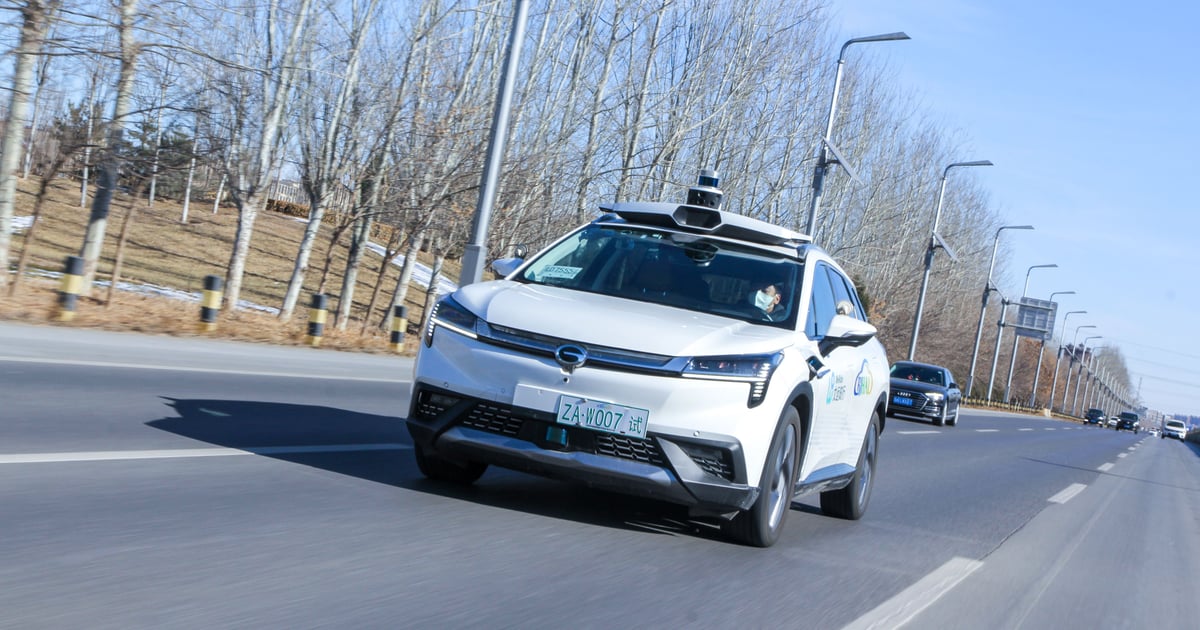
The expansion highlights a broader trend of Chinese autonomous driving firms seeking growth in regions with favorable regulatory environments. Unlike the regulatory hurdles often faced in Western markets, the Middle East has positioned itself as a premier testing ground for next-generation mobility. Saudi Arabia, for instance, has set a target for autonomous vehicles to account for 15% of its public transport by 2030, while the United Arab Emirates has established similar aggressive goals for its urban centers.
A Crowded Autonomous Landscape
WeRide is not alone in its regional ambitions. The company currently operates more than 200 vehicles in the Middle East, but it faces stiff competition from domestic rivals who have also identified the Gulf as a critical growth engine.
- Baidu’s Apollo Go and Pony AI have already established a presence in the region.
- Momenta recently partnered with Mercedes-Benz Group to offer luxury services in Abu Dhabi.
- The broader Uber-WeRide agreement aims to span 15 cities globally by 2030.
The move comes as Chinese tech firms face increasing scrutiny in the U.S. and Europe, making the Middle East a critical corridor for international expansion. With the 2027 deadline approaching, the success of the 1,200-vehicle rollout will serve as a bellwether for the commercial viability of robotaxis on a global scale.



Comments (0)
No comments yet. Be the first!