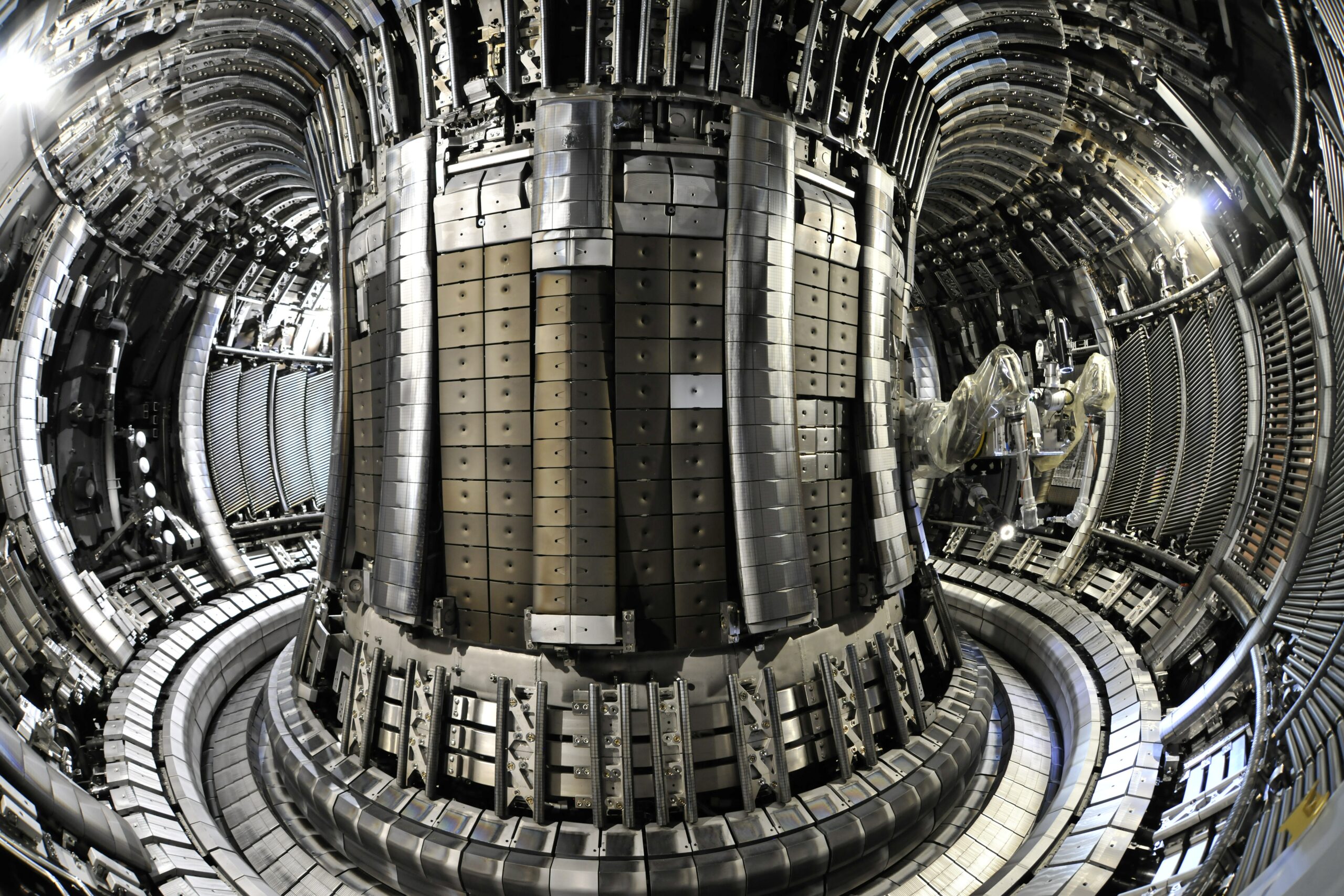
The era of pure experimentation is yielding to a rigorous assessment of industrial feasibility. A new MIT framework, published in the Journal of Fusion Energy, aims to quantify the cost of building and maintaining fusion infrastructure. Rather than focusing on plasma physics, the study evaluates the physical inputs and capital requirements needed to make fusion energy a competitive commodity. Co-author Dennis Whyte argues that the field must move beyond discovery and confront the harsh realities of large-scale financial allocation.
This analytical approach is designed to be technology-agnostic, providing a standard metric for comparing disparate methods like laser-controlled inertial confinement, z-pinch systems, and tokamak-based reactors. As MIT’s Andrew W. Lo notes, the fundamental hurdle remains unchanged regardless of the reactor design: the cost of operations must eventually be eclipsed by energy revenue. By establishing these economic benchmarks, the researchers intend to identify which fusion pathways offer the most viable path toward commercial electricity production.




Comments (0)
No comments yet. Be the first!