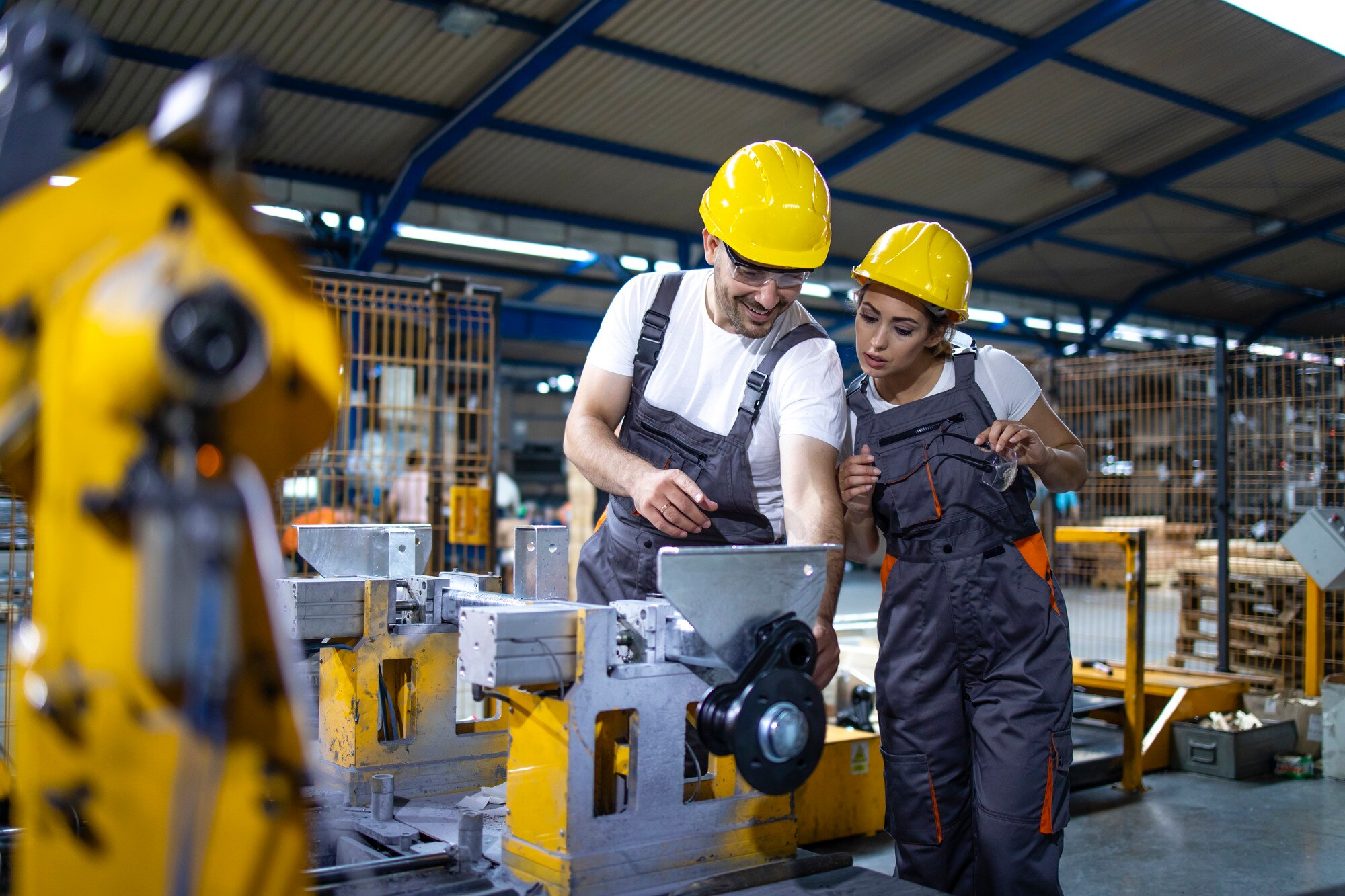
The disconnect between cooling national employment figures and actual shop-floor activity stems from a fundamental change in workforce strategy. Manufacturers are leveraging temporary staffing to maintain production flexibility, a shift that often precedes broader payroll data by weeks or months. HireQuest, which expanded its manufacturing footprint from 32 states in 2020 to 35 by early 2026, reports that demand spans sectors from solar assembly and metal fabrication to food production.
Rick Hermanns, President and CEO of HireQuest, argues that the narrative of a hiring freeze is inaccurate. Instead, firms are prioritizing specialized labor to manage advanced systems. The company reports consistent demand for roles ranging from production associates and injection molding operators to skilled machinists and process engineers. Rather than displacing workers, the rise of automation is driving a need for technicians capable of optimizing and maintaining complex manufacturing infrastructure, creating a reliable pipeline for career growth in the skilled trades.



Comments (0)
No comments yet. Be the first!