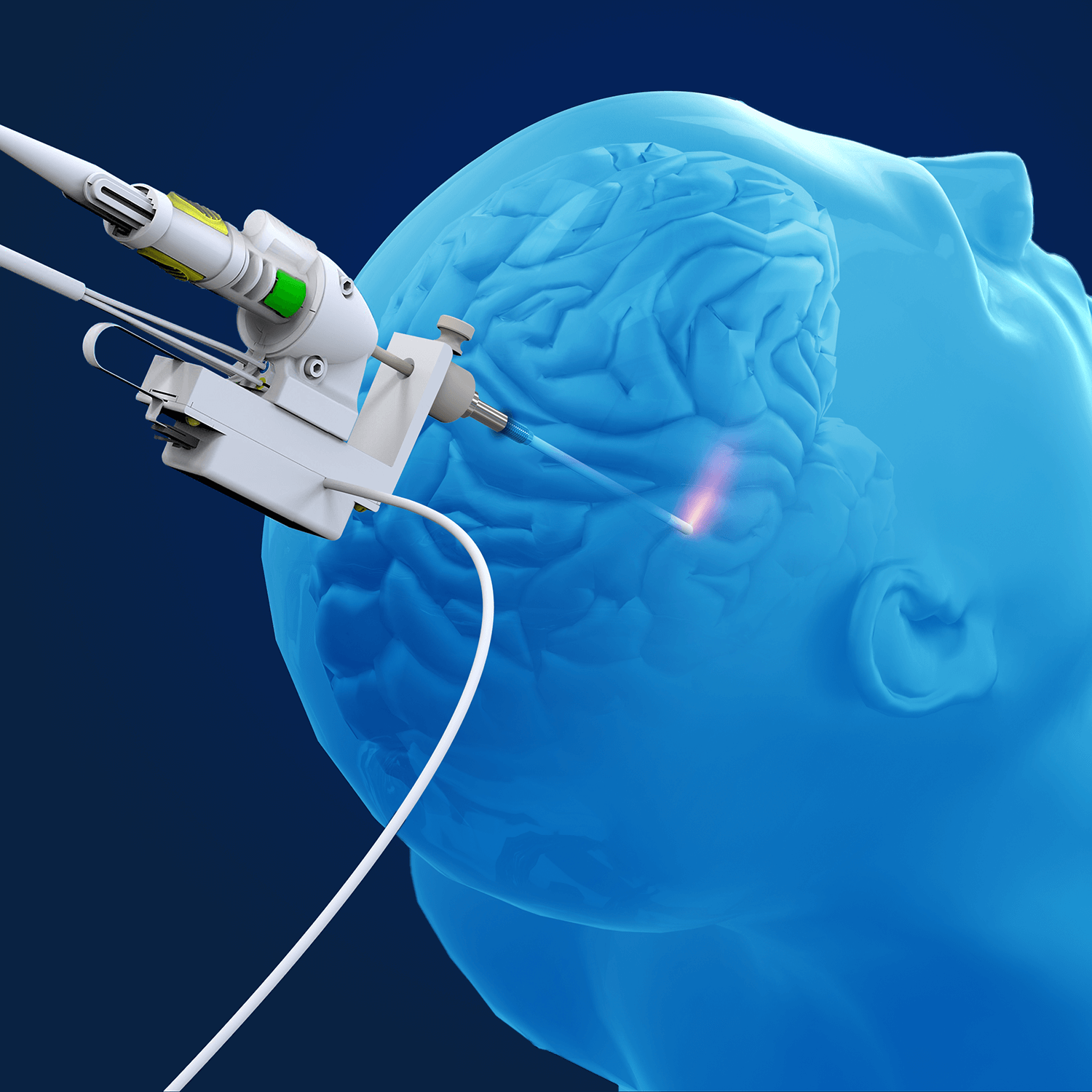
The research, led by Dr. Eric C. Leuthardt of Washington University School of Medicine, identifies a clear correlation between the extent of ablation and improved outcomes for patients with glioblastoma and recurrent metastatic tumors. By analyzing data from 25 U.S. centers, the study establishes a clinical benchmark for minimally invasive neurosurgery. The findings suggest that for metastatic brain tumors, early intervention while lesions remain small is critical for patient survival, shifting the perception of laser therapy from a last-resort option to a proactive treatment.
Beyond survival metrics, the study highlights the practical benefits of the NeuroBlate procedure. Patients typically reported shorter hospital stays, rapid recovery times, and limited need for intensive care. Furthermore, the procedure demonstrated a favorable safety profile, with low complication rates and preserved quality of life for those undergoing the intervention. These results provide the clinical evidence necessary to support broader adoption of the technology, offering a standardized approach to treating complex, irregularly shaped brain lesions while reducing reliance on long-term steroid and anticonvulsant use.



Comments (0)
No comments yet. Be the first!