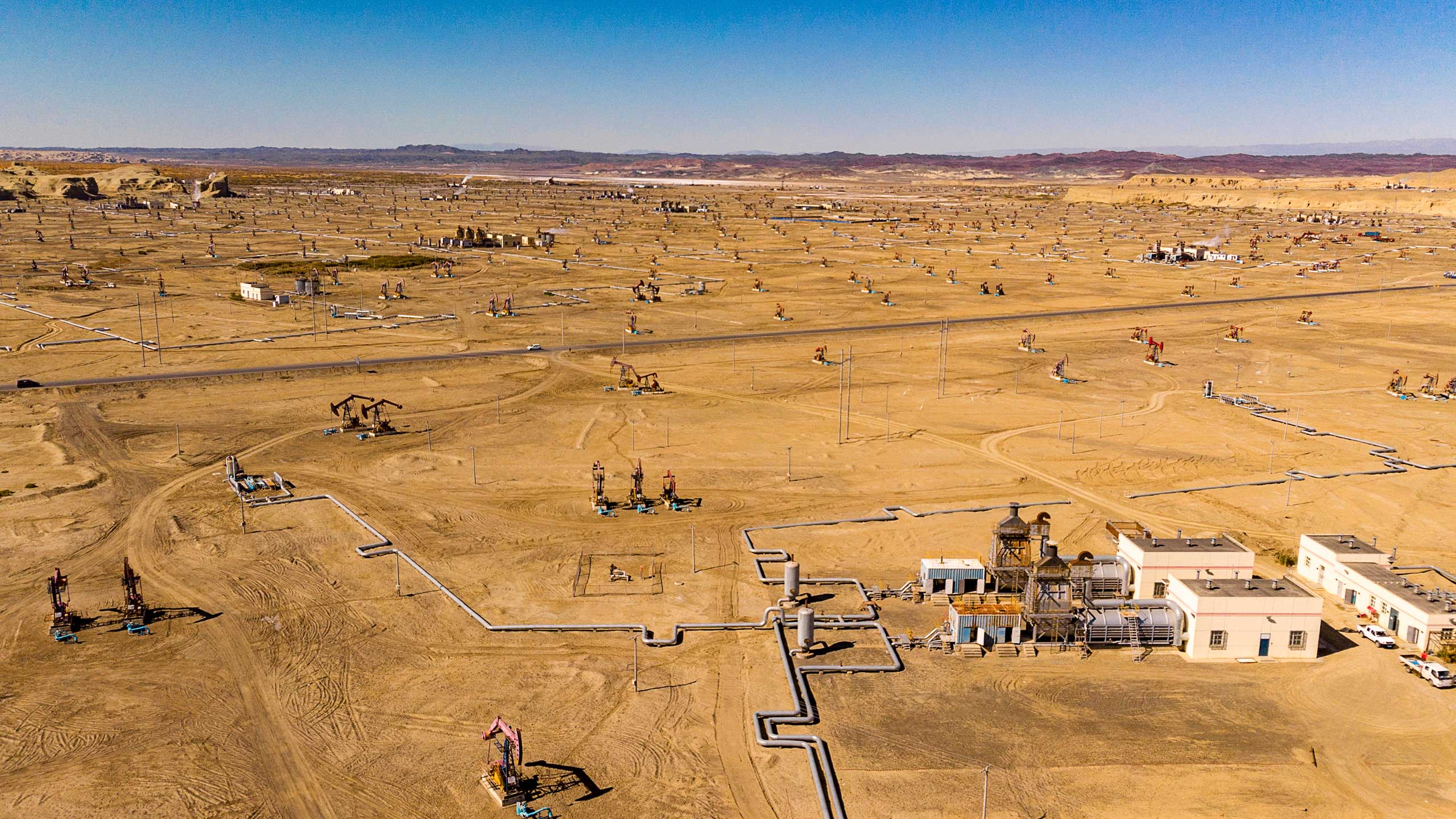
In 2025, China reached a milestone with crude output hitting 216 million metric tonnes, supported by a 10-billion-cubic-metre increase in natural gas production. According to the National Bureau of Statistics, crude output climbed to 4.42 million barrels per day between January and July of this year. This production push, coupled with strategic stockpiling of discounted Russian and Iranian crude, has shielded the nation from price shocks triggered by conflict in the Middle East. Data from S&P Global Energy indicates that China has successfully trimmed its reliance on Middle Eastern crude, dropping its import share from 55.4 per cent to 44.6 per cent in just one year.
The government’s 15th Five-Year Plan sets a target of 440 million metric tonnes of oil equivalent by 2030. To reach this, Beijing is launching new exploration auctions and expanding its pipeline network to 220,000 km. While the state is investing heavily in deepwater and shale resource extraction, officials maintain that these fossil fuel efforts do not signal a retreat from climate goals. Instead, the National Development and Reform Commission is pairing production targets with carbon capture projects, aiming to inject 10 million metric tonnes of CO2 annually by 2030. Lin Boqiang of Xiamen University noted that while the nation faces inherent geological constraints, the integration of massive renewable capacity alongside bolstered domestic fossil fuel production provides a robust cushion against future supply disruptions.



Comments (0)
No comments yet. Be the first!