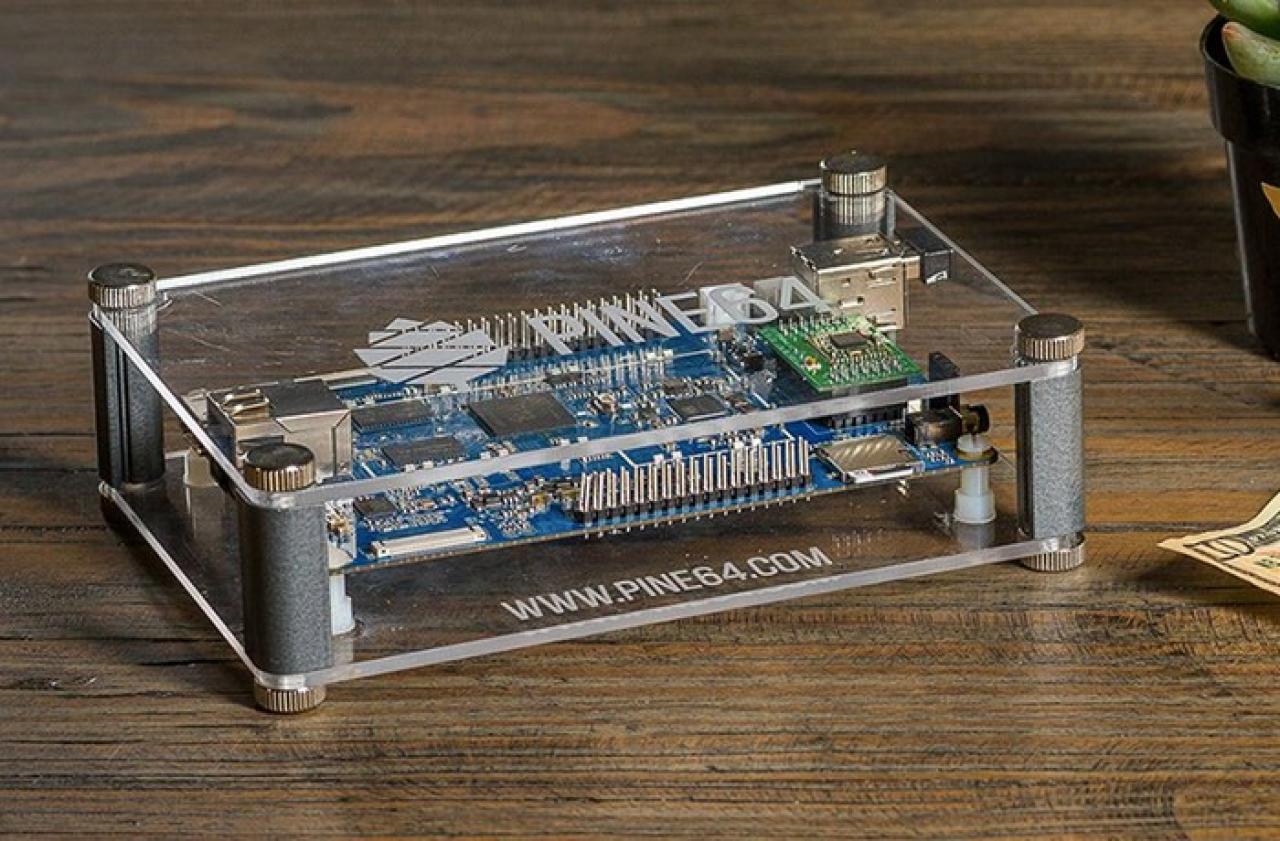
The company positions its new hardware as an evolution of the Raspberry Pi and Arduino ecosystems. At the core of the Pinea Pi architecture are three pillars: agent-native execution, which translates natural language into hardware behavior; multimodal sensing, utilizing an integrated camera, microphone array, and speakers; and edge-native processing, which ensures all data remains on the device. By eliminating cloud dependencies, the hardware avoids subscription fees and token costs while providing a physical privacy indicator and an offline switch.
The product line includes the Pinea Pi Pro, featuring 275 TOPS of NVIDIA-powered performance for robotics, and the Pinea Pi Lite, which offers 180 TOPS via Intel architecture. Both units run on Ubuntu and utilize the MiniCPM model family, enabling the built-in AI companion, Piny, to recognize users through voice and facial features. Piny includes an editable, auditable memory system, allowing owners to manage their personal data directly. Beyond individual use, Pinea Pi intends for its design to serve as a reference architecture for ecosystem partners looking to implement standardized intelligence stacks across varied hardware form factors.



Comments (0)
No comments yet. Be the first!