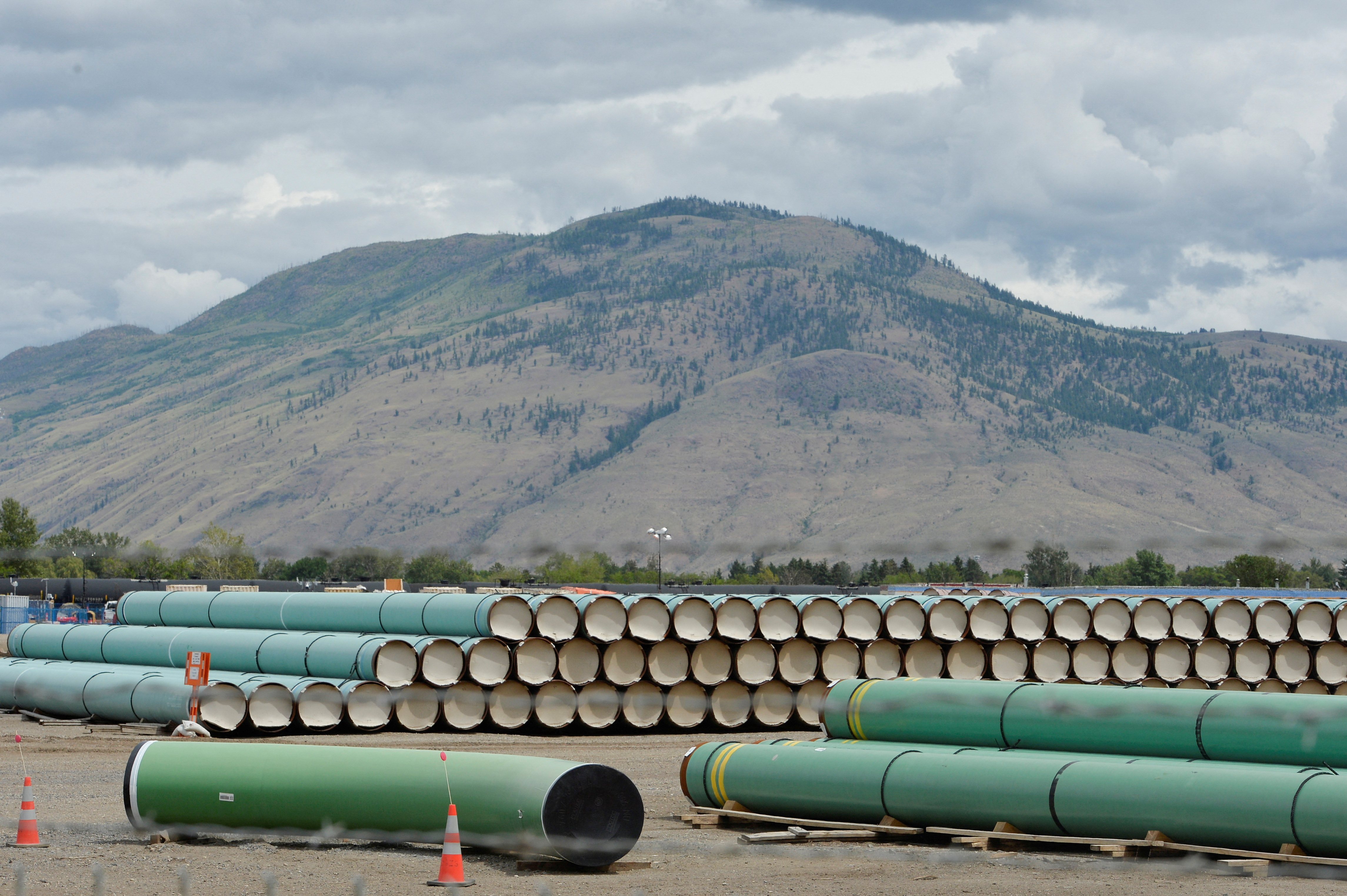
The upgrade involves installing 16 drag reducing agent (DRA) units across 12 pumping stations along the line. If approved, construction is slated to begin in August, with the additional capacity coming online by January. According to the filing, the operator has already consulted third-party shippers, who reportedly raised no concerns regarding potential impacts on tolls, tariffs, or service access.
This incremental expansion follows the massive May 2024 project that nearly tripled the pipeline’s capacity. That project transformed Canadian energy exports by providing direct access to Pacific Rim markets and U.S. West Coast refineries. The impact is visible in the data: Canadian crude exports reached a record 133.21 million barrels in November, a significant jump from previous years as Alberta’s oil sands production finds more efficient routes to global buyers.
Market Stability and Trade Pressures
The increased throughput has helped narrow the price gap between Western Canadian Select (WCS) and the U.S. benchmark West Texas Intermediate (WTI). While this discount once ballooned to $52 per barrel in 2018, it has recently stabilized near $13 per barrel. However, the push for greater capacity also reflects growing geopolitical urgency. As the Trump administration signals higher tariffs on Canadian imports, industry leaders are prioritizing infrastructure that strengthens access to diversified global markets beyond the United States.




Comments (0)
No comments yet. Be the first!