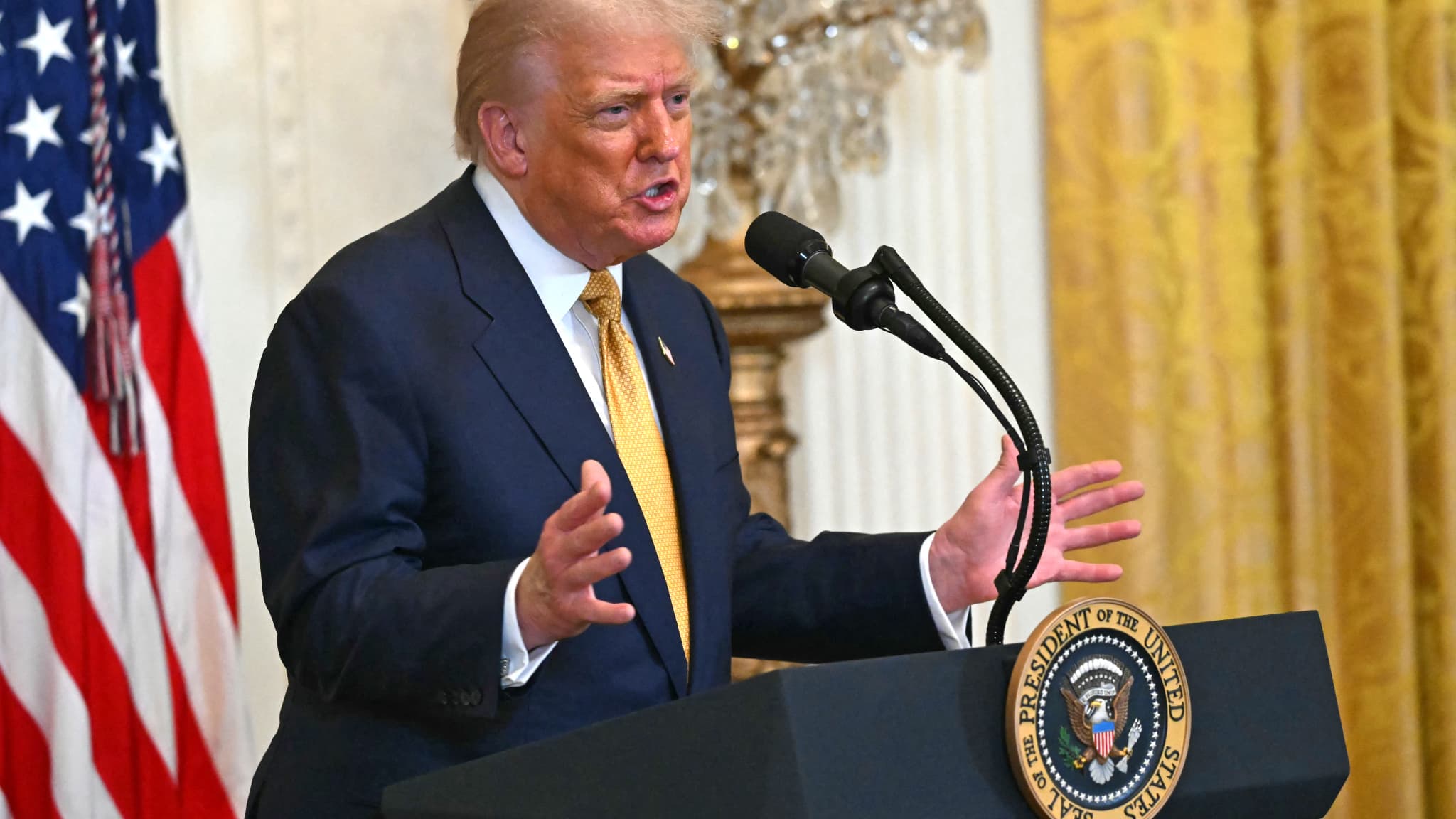
The proposed 30-year framework permits U.S. firms to export nuclear technology, positioning American industry to compete against Chinese and Russian suppliers for Saudi Arabia’s planned power infrastructure. Unlike the 2009 UAE agreement, which strictly prohibits domestic enrichment, this deal includes a two-year window to assess the commercial viability of enrichment within the Kingdom. Should such facilities proceed, they would operate under a "black box" arrangement, allowing U.S. oversight without the transfer of sensitive underlying technology.
Crown Prince Mohammed bin Salman has consistently defended the nation's right to pursue its own nuclear fuel cycle, citing the potential need to counter Iranian capabilities. While Riyadh aims to shift its domestic power grid away from oil and gas to maximize export potential, the path forward remains precarious. The Gaza war has effectively stalled the prospect of Saudi-Israeli normalization, creating a political bottleneck that threatens to complicate the agreement's passage through Congress. Lawmakers retain the power to reject the pact, though any effort to override a presidential veto would require a two-thirds majority in both chambers.



Comments (0)
No comments yet. Be the first!