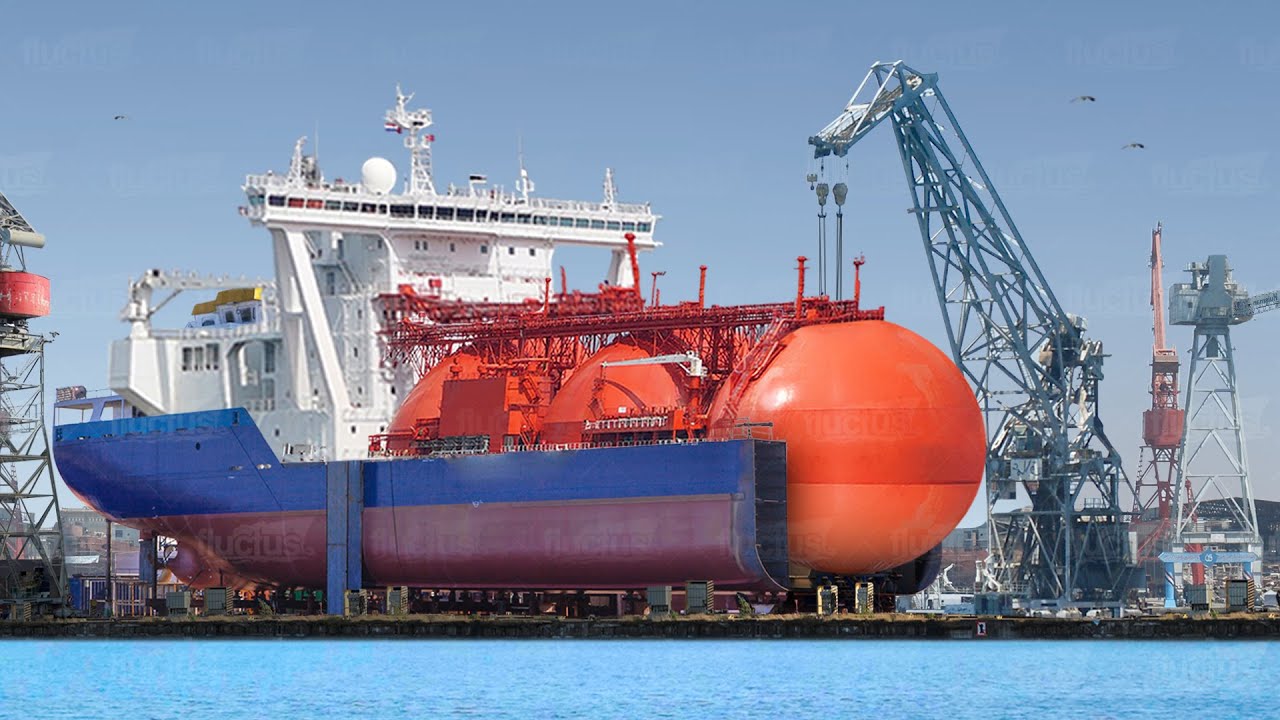
Egypt’s energy sector faces a stark reality: domestic consumption is surging while local production has dipped 7% to 109.3 million cubic meters per day as of mid-2026. With power generation alone consuming 113 million cubic meters daily, Cairo relies increasingly on imports. The July 28 sanctioning of the Block 6 development by Eni and TotalEnergies offers a potential lifeline. Targeting first gas by 2028, the project aims to pipe up to 14.2 million cubic meters per day to existing facilities at Zohr and the Damietta LNG plant.
This partnership hinges on whether the infrastructure can withstand the strain. Egypt’s recent reliance on floating storage and regasification units has been tested by regional instability, including a drone strike on the Energos Winter FSRU that slashed national capacity. Furthermore, the history of the Zohr field serves as a reminder that subsurface risks—such as water breakthrough and reservoir depletion—can quickly erode production gains.
Beyond technical hurdles, the project navigates a volatile geopolitical landscape. Turkey continues to contest maritime boundaries, casting a shadow over the security of offshore operations. Simultaneously, Cyprus faces internal challenges, including a stalled domestic terminal project currently under investigation for procurement fraud. If Cronos succeeds, it could serve as a template for other discoveries like Calypso and Glaucus, potentially stabilizing the Eastern Mediterranean energy corridor despite the structural deficits facing both nations.



Comments (0)
No comments yet. Be the first!