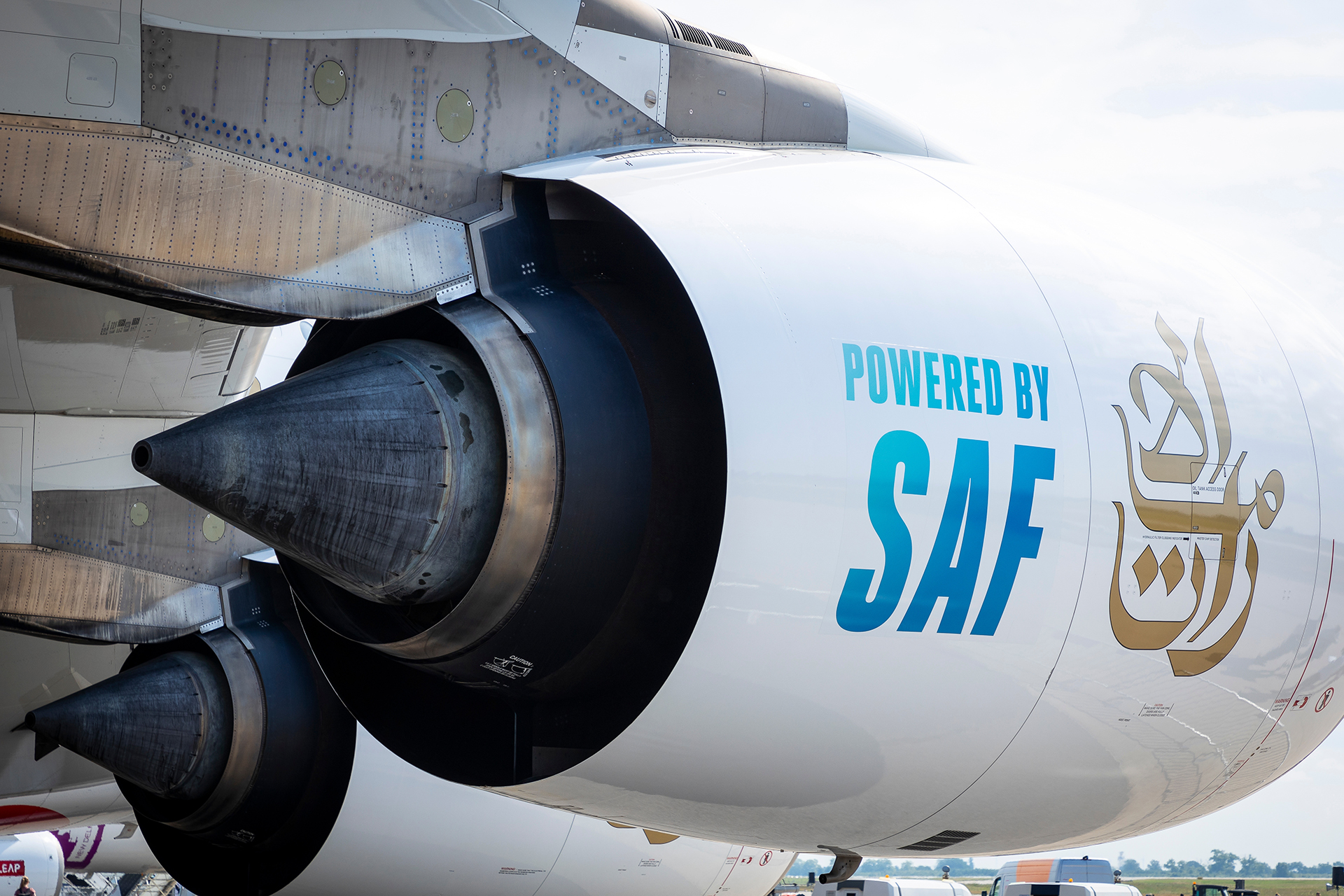
The aviation sector faces a fundamental economic deadlock: producers cannot finance billion-euro plants without long-term buyer commitments, while airlines refuse to sign decade-long contracts at current, exorbitant prices. Germany’s Federal Ministry of Transport plans to break this cycle using the H2Global model. Under this structure, a state-backed intermediary secures long-term supply agreements with producers at the lowest competitive price, then auctions that fuel to distributors on shorter-term contracts. Public funding covers the resulting deficit, providing producers with the revenue certainty required to reach a final investment decision.
This mechanism prioritizes price discovery over simple subsidization. By forcing firms to compete, the government aims to reward construction discipline and energy efficiency, identifying which projects possess a realistic path to cost reduction. While the initial €2 billion will not cover the massive volumes required for total decarbonization, it serves as an industrial-development tool to move projects from planning to tangible infrastructure. Previous attempts to include eSAF in similar auctions failed, illustrating that tender conditions must be perfectly calibrated to market maturity. Even if domestic European production remains more expensive than potential imports from regions with cheaper renewable energy, these early projects are essential for establishing standardized contracts and verified supply chains.


Comments (0)
No comments yet. Be the first!