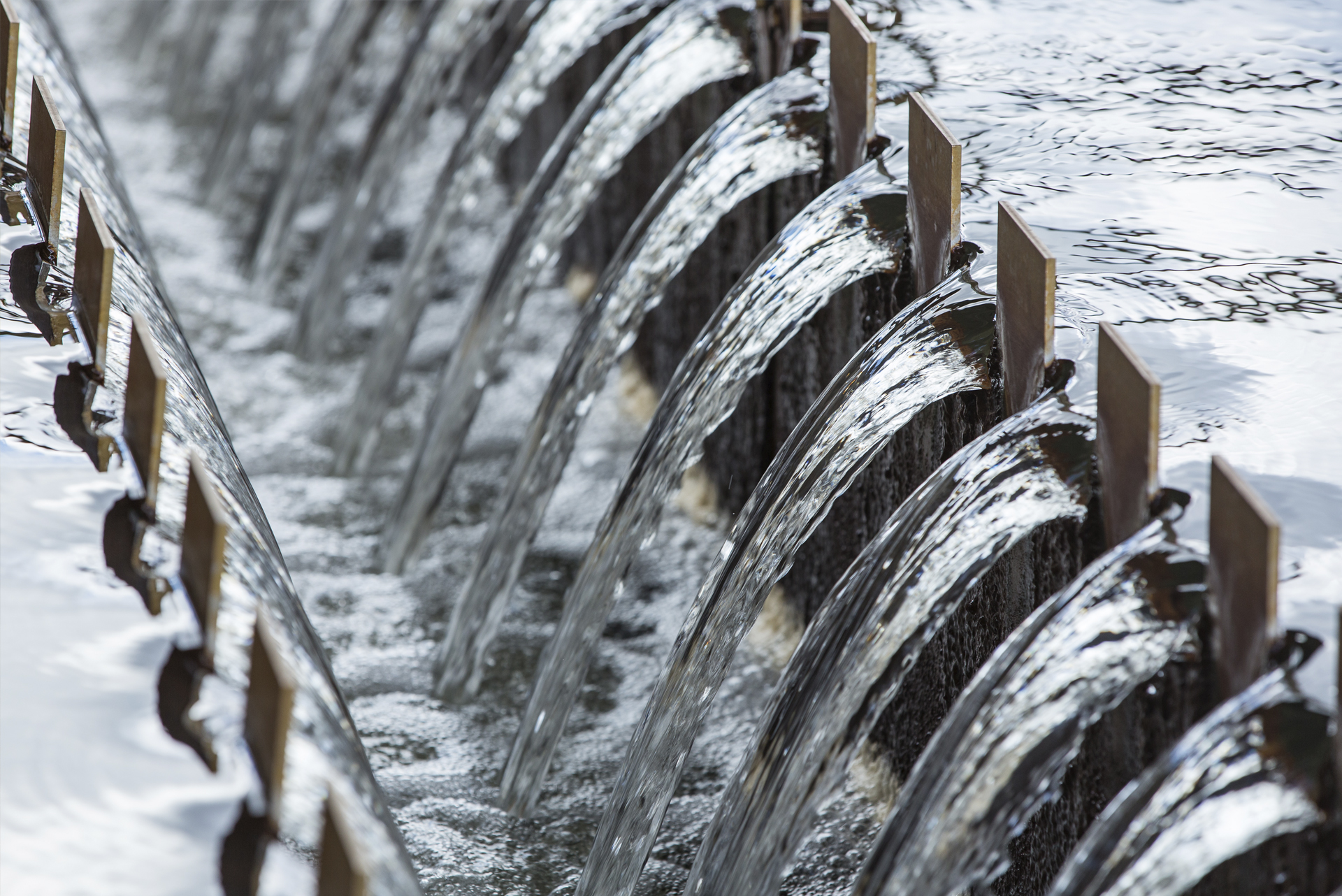
Non-revenue water represents the volume of treated fluid pumped into a system that never generates income. This disparity between production and collection frequently goes unnoticed until significant financial damage accumulates. In older New England infrastructure, where pipe materials range from legacy cast iron to early synthetics, these losses are often categorized as real leakage in mains or apparent losses caused by meter degradation.
Industry standards suggest that a non-revenue water rate exceeding ten percent warrants immediate investigation, a threshold many regional systems currently surpass. Mazzella points to minimum night flow analysis as a primary diagnostic tool. By tracking flow rates between midnight and 4 a.m.—when legitimate demand is at its nadir—utilities can isolate leaks that would otherwise remain hidden until a catastrophic failure occurs.
Effective management requires granular data. Dividing distribution networks into district metered areas allows operators to pinpoint anomalies within specific zones, often identifying problems weeks before they surface. Furthermore, analyzing customer-level usage against historical baselines helps identify aging, under-registering meters. Utilities that prioritize these early-warning indicators gain a level of operational predictability, reducing the frequency of major infrastructure failures and stabilizing long-term maintenance costs.


Comments (0)
No comments yet. Be the first!