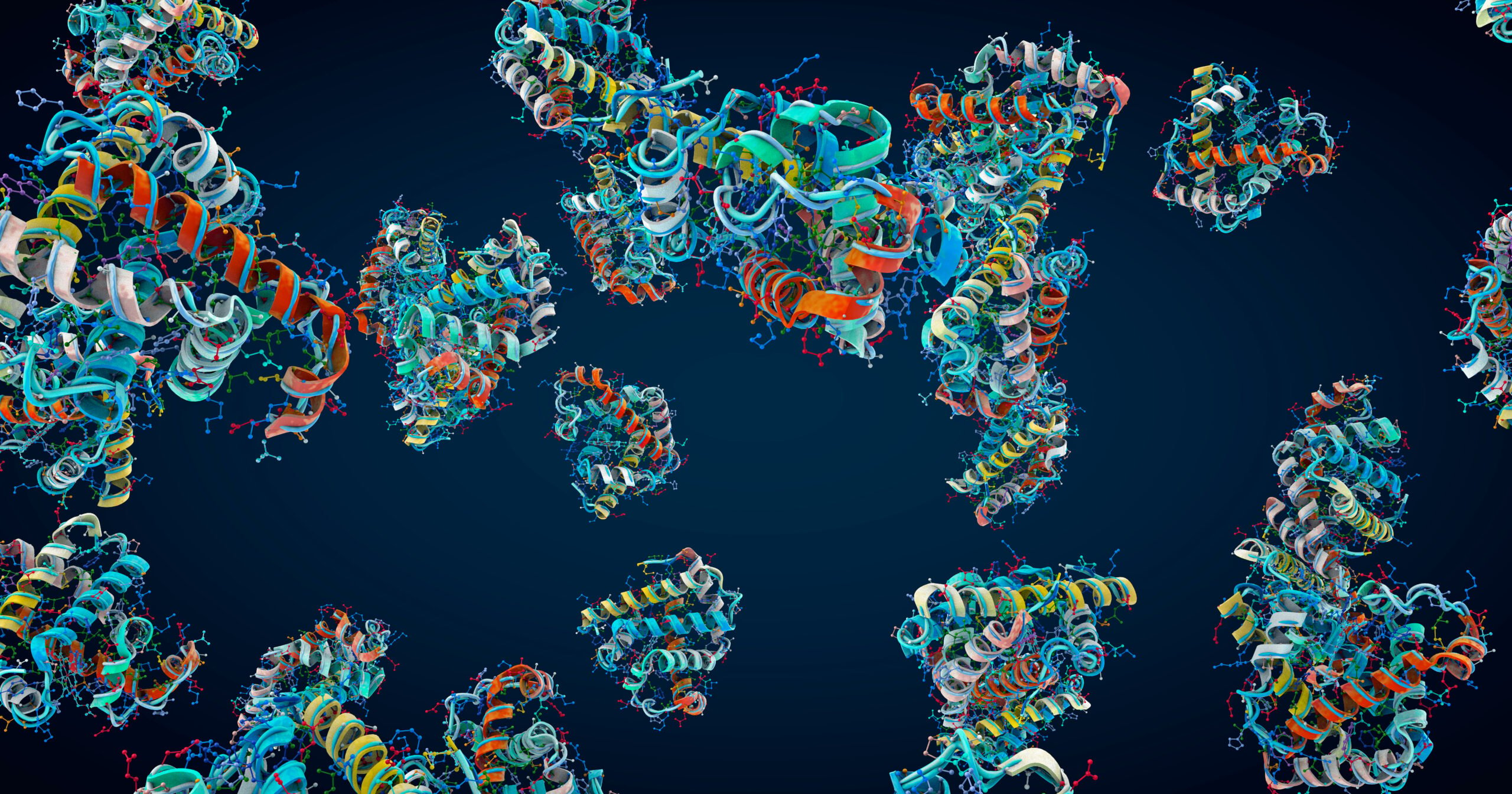
Stowers Institute investigator Randal Halfmann will lead the experimental data generation for the project, receiving approximately $4.1 million over two years. His lab will utilize a proprietary technology known as Distributed Amphifluoric FRET (DAmFRET) to produce over 10 billion measurements of aggregation across 50,000 proteins. By observing how these proteins behave in living yeast cells, the team hopes to create a foundational dataset that allows AI to identify harmful protein clumping—a hallmark of diseases like Alzheimer's, Parkinson's, and ALS—long before the damage becomes irreversible.
While AI has successfully predicted stable protein structures, the challenge remains with intrinsically disordered proteins that lack a fixed shape. The NATIVE-ID consortium, led by the Innovative Genomics Institute at UC Berkeley, combines Halfmann’s high-scale experimental data with human-neuron studies and computational simulations from partners at Brown, Emory, Johns Hopkins, and other institutions. The current award covers an initial two-year phase, with a secondary phase focused on validating potential therapeutic interventions to intercept protein dysfunction at the cellular level.



Comments (0)
No comments yet. Be the first!