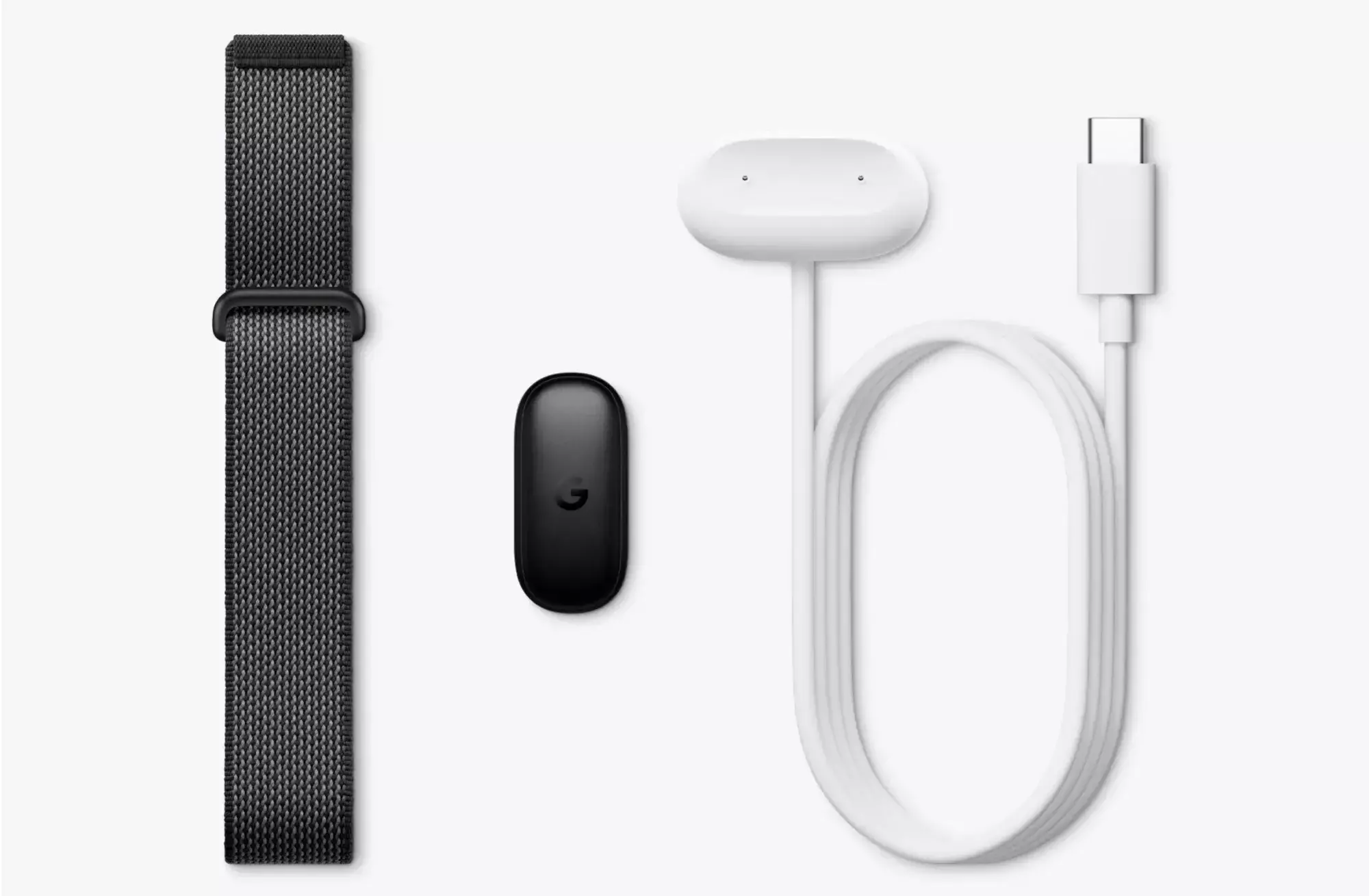
The Edge arrives with a larger display and a redesigned interface, marking a pivot toward hardware that offers real-time workout guidance directly on the wrist. Unlike the minimalist trackers offered by competitors like Whoop or Oura, which rely on external dashboards, Google’s latest model prioritizes on-device interaction. The hardware also introduces a replaceable battery, a practical shift for long-term daily use.
This launch lands in a volatile sector. While data from Circana indicates an 88% surge in fitness tracker sales between 2024 and 2025, market enthusiasm remains uneven. Google is balancing this growth against mounting scrutiny from investors regarding the longevity of the consumer health trend. The company’s acquisition of Fitbit for $2.1 billion in 2021 continues to define its strategy, even as competitors like Oura navigate the cooling market for public offerings.


Comments (0)
No comments yet. Be the first!