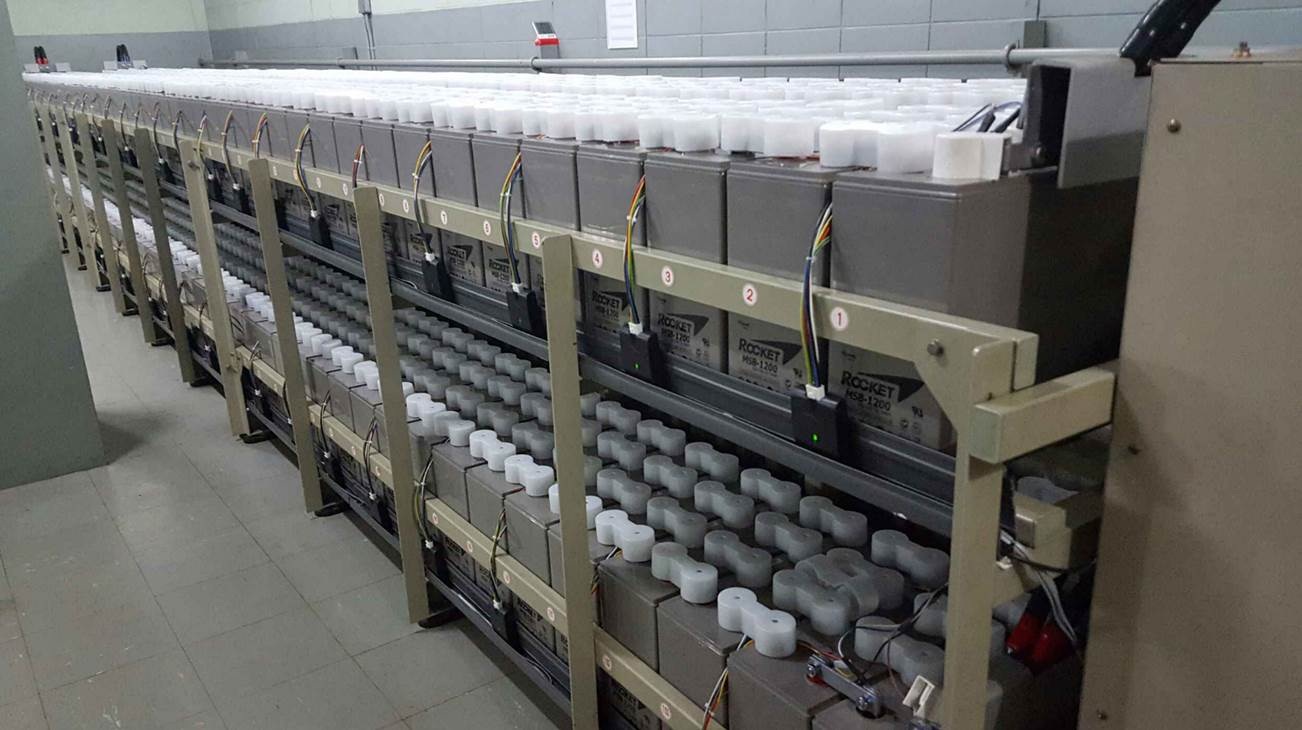
The upcoming Oct. 15 panel at the 2026 Open Compute Project (OCP) Global Summit in San Jose aims to reconcile these conflicting international standards. Titled "The Compliance Gap: ESS Safety in the Age of AI Infrastructure," the session draws on an Open Compute Project white paper published in January 2026 that maps global codes for energy storage systems (ESS) across more than 15 countries.
Mike Pagel, a senior consultant at HazMat Safety Consulting and a co-author of the white paper, warns that investment in AI-driven power infrastructure is currently outstripping the regulatory frameworks meant to govern it. Operators frequently encounter stalled permits, shipment holds, or insurance pushback because they lack clarity on local requirements until testing or classification begins. The panel, moderated by Joel Chakkalakal of Americase, will provide a roadmap for navigating these discrepancies, including the limitations of the U.S.-centric NFPA 855 standard when applied in markets like Japan, Germany, or Singapore.
The discussion will also address whether emerging chemistries, such as nickel-zinc, require different safety protocols than standard lithium-ion units. By shifting focus from guesswork to practical, actionable steps, the session intends to help supply chain partners and facilities engineers mitigate risk in an increasingly complex global environment.


Comments (0)
No comments yet. Be the first!