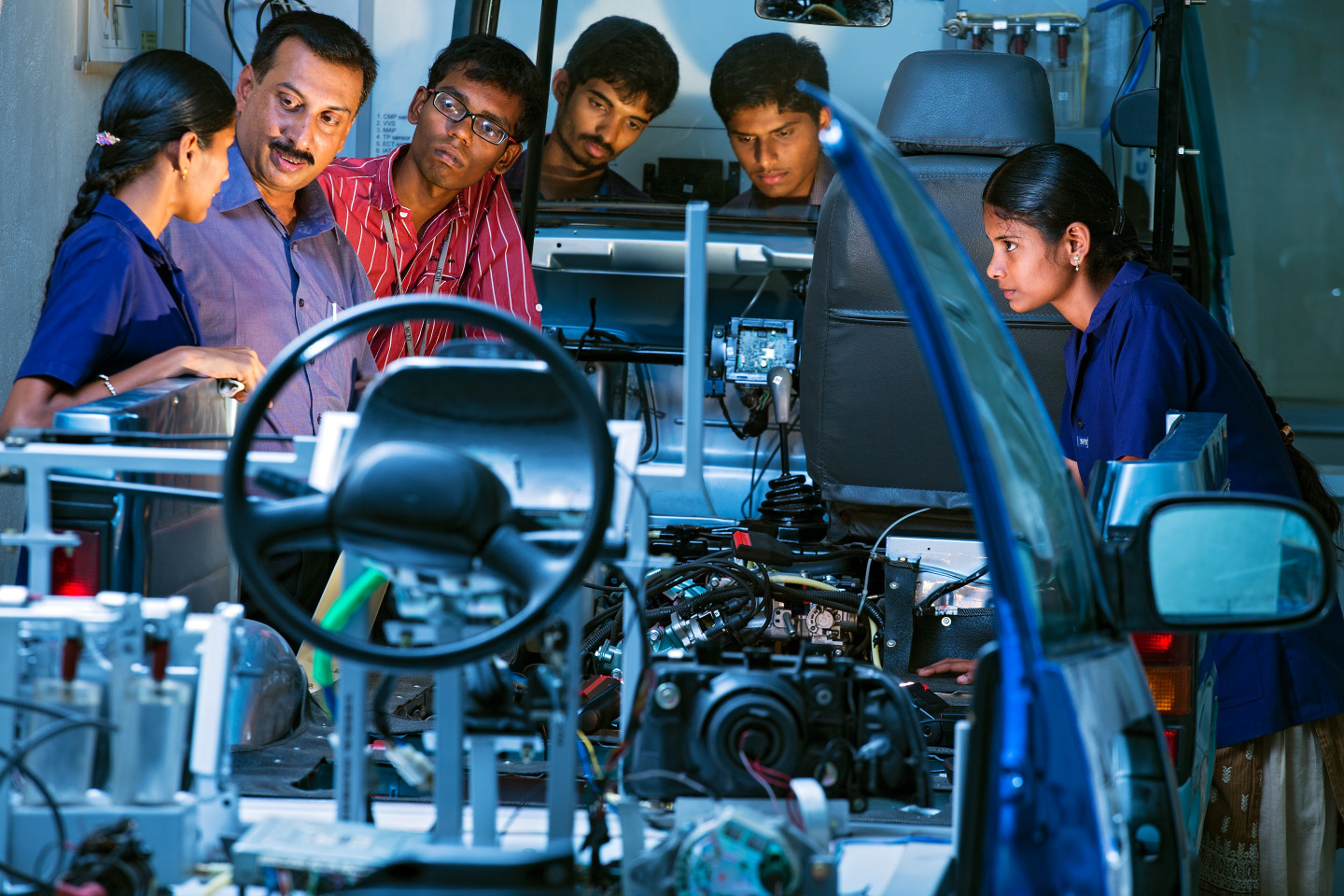
The research, conducted by Jobs for the Future and Britebound, highlights a stark disconnect between public expectations and student outcomes. Only 39% of voters feel confident that high school graduates are ready to enter the workforce, a sentiment echoed by young adults struggling to navigate an AI-driven economy. Roughly one-third of workers aged 18 to 27 report lacking the skills to adapt as technology shifts their industries, fueling demand for a more robust educational approach.
Public support for systemic change is overwhelming, with nearly all respondents calling for schools to integrate career planning and skill-building before students reach high school. Parents, in particular, are pushing for early intervention, with over half preferring that career exploration begin in middle school. Maria Flynn, CEO of Jobs for the Future, notes that schools are currently struggling to keep pace with the volatile nature of modern work, leaving many students without clear direction or practical experience.
To bridge this gap, voters are backing a concrete policy agenda that prioritizes hands-on learning. Proposals such as mandatory counselor meetings for every student and standardized work-based learning programs garnered support from over 80% of those surveyed. Julie Lammers, president of Britebound, emphasizes that students need more than just traditional academic preparation; they require the time and guidance to explore diverse professional paths before high school graduation. With the midterms approaching, the data suggests that voters are looking for legislators who will treat career development as a fundamental component of the national economic strategy.


Comments (0)
No comments yet. Be the first!