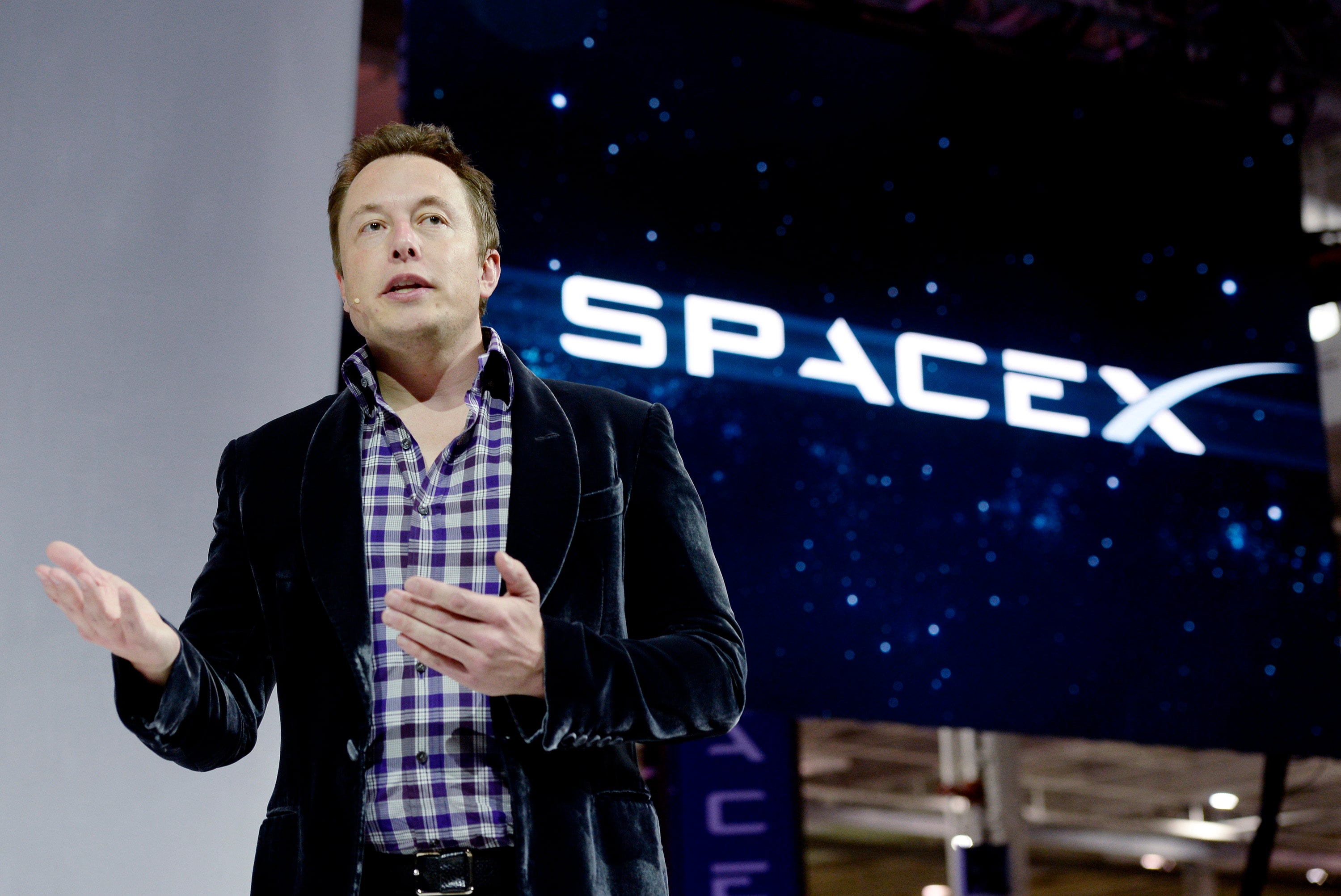
The sudden loss of control over drone fleets—some rendered stationary and vulnerable, others completely severed from their operators—highlights a precarious reliance on Starlink. While reports clash on whether the decision originated from Musk himself or under pressure from Washington, the result remains the same: a commercial entity currently acts as the final arbiter of military capability. This shift marks a dangerous precedent where governments outsource critical infrastructure to providers they can neither regulate nor easily replace.
SpaceX now functions as an essential utility for global intelligence and military logistics, yet its primary accountability remains tied to shareholders and private contracts rather than democratic oversight. As this satellite network embeds itself into the defense architecture of sovereign states, the line between private service and national policy has effectively vanished. The ability to defend borders is increasingly subject to the corporate whims of a single businessman, turning national security into a variable dependent on the terms of a service agreement.



Comments (0)
No comments yet. Be the first!