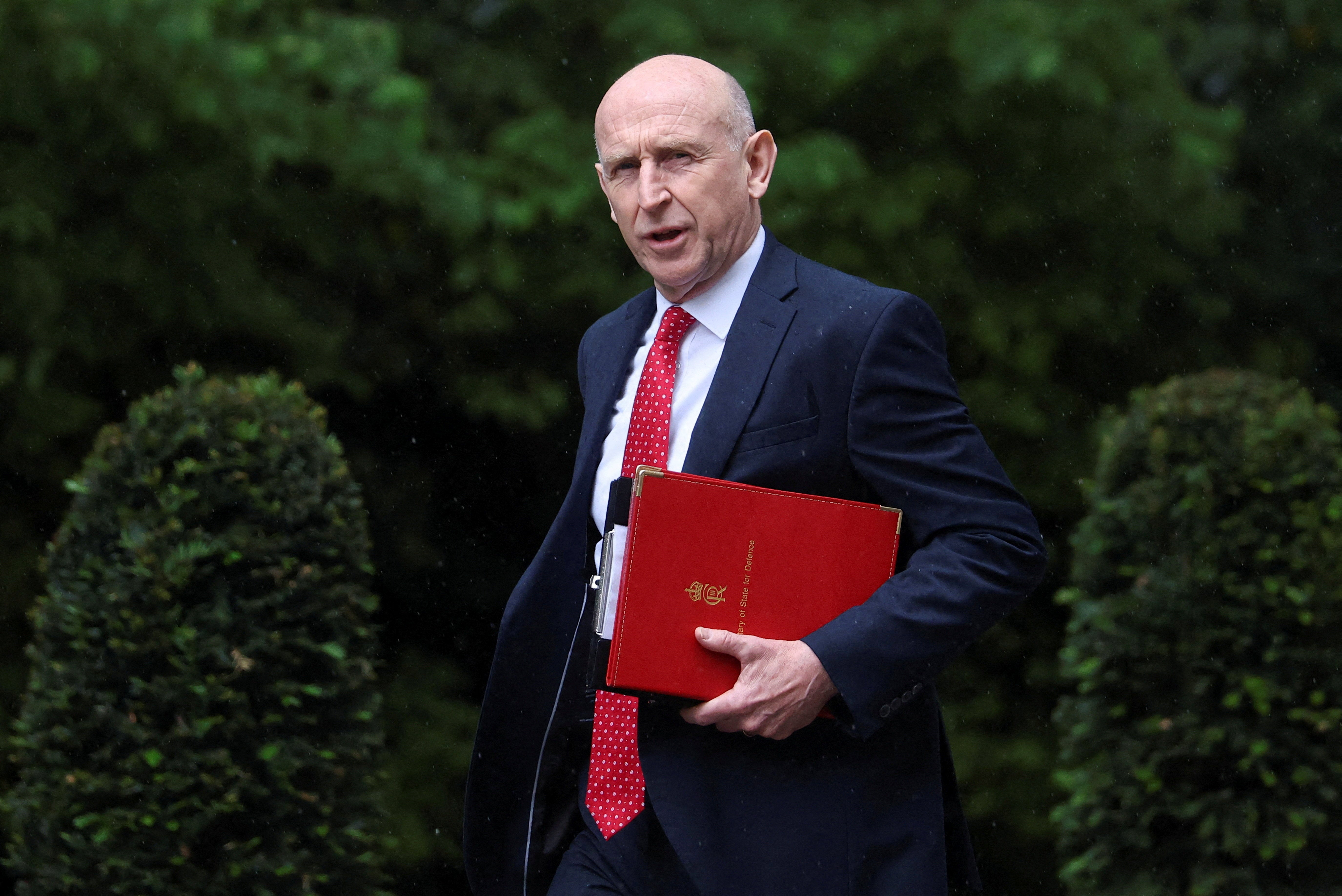
Financial analysts anticipate that Healey will set his fiscal headroom at approximately £15bn, supplemented by £5bn in new receipts from banking levies and taxes on online retailers. Rather than addressing the £11bn annual cost required to reach the target of spending three per cent of GDP on defence by 2030, the government is expected to push these obligations toward a 2027 Spending Review. Pantheon Macroeconomics warned that such delays undercut fiscal consolidation, potentially driving up government borrowing costs as traders question the administration’s long-term resolve.
While the Chancellor has pledged to lower energy costs and provide immediate relief to households through fuel duty freezes, the City remains skeptical. Morgan Stanley analyst Bruna Skarica noted that investors will scrutinize these one-off measures to determine if the fiscal plan remains plausible. Meanwhile, Shadow Chancellor Andrew Griffith has demanded Healey’s resignation if the Budget fails to secure concrete funding for the military, labeling defence the government’s primary duty. With economists like Kallum Pickering pointing to a lack of structural reform in the tax code and welfare system, the upcoming Spending Review is increasingly viewed as the definitive gauge of the government’s ability to curb expenditure.



Comments (0)
No comments yet. Be the first!