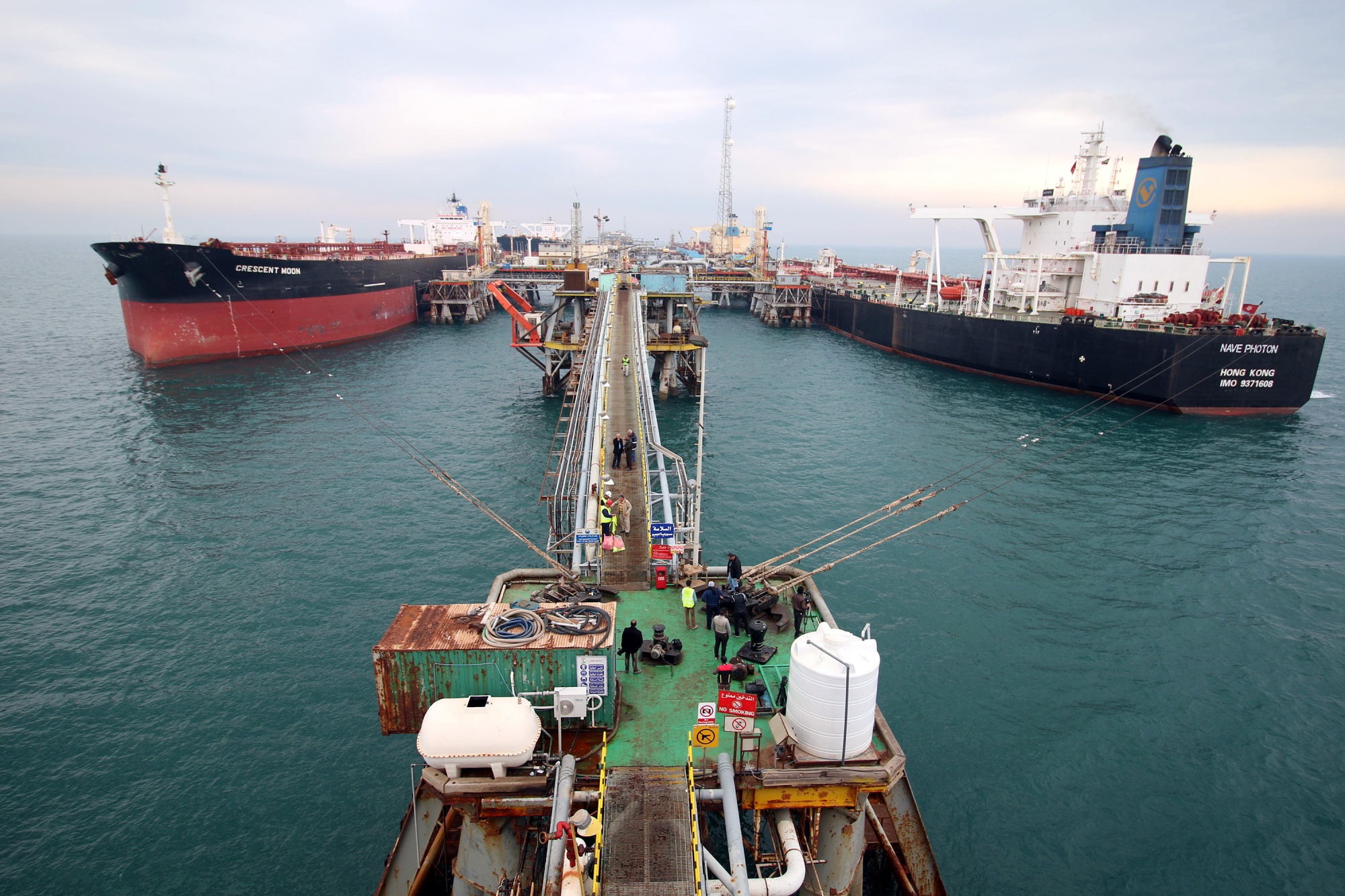
The independent refiners, known as teapots, have relied for years on discounted Iranian and Russian oil. This year, however, the conflict has disrupted those supply channels: the U.S. blockade has paralyzed Iranian exports, while Russian crude has become more expensive. Bloomberg reported that Chinese refiners are now buying more Iraqi crude, mainly from Mercuria, which ships the oil on its own tankers directly to ports in Shandong.
“Iraqi crude has emerged as a winner during this period,” Liao Na, founder of energy research firm GL Consulting, told Bloomberg. She said the shift could encourage other Persian Gulf suppliers to seek teapot demand, describing the refiners as one of the few resilient sources of demand in a market facing oversupply concerns.
The International Energy Agency, Goldman Sachs and JPMorgan have all forecast that oil oversupply could return before year-end. The IEA, however, has estimated that supply losses this year will exceed demand losses. Oil prices have fallen amid renewed glut predictions but remain well above levels seen before the war began at the end of February.
Iranian attacks on tankers in the Strait of Hormuz and the need for ship-to-ship transfers off Oman have also made the cost of securing Middle Eastern oil more significant. The availability of crude is no longer the only consideration for buyers, the report said.



Comments (0)
No comments yet. Be the first!