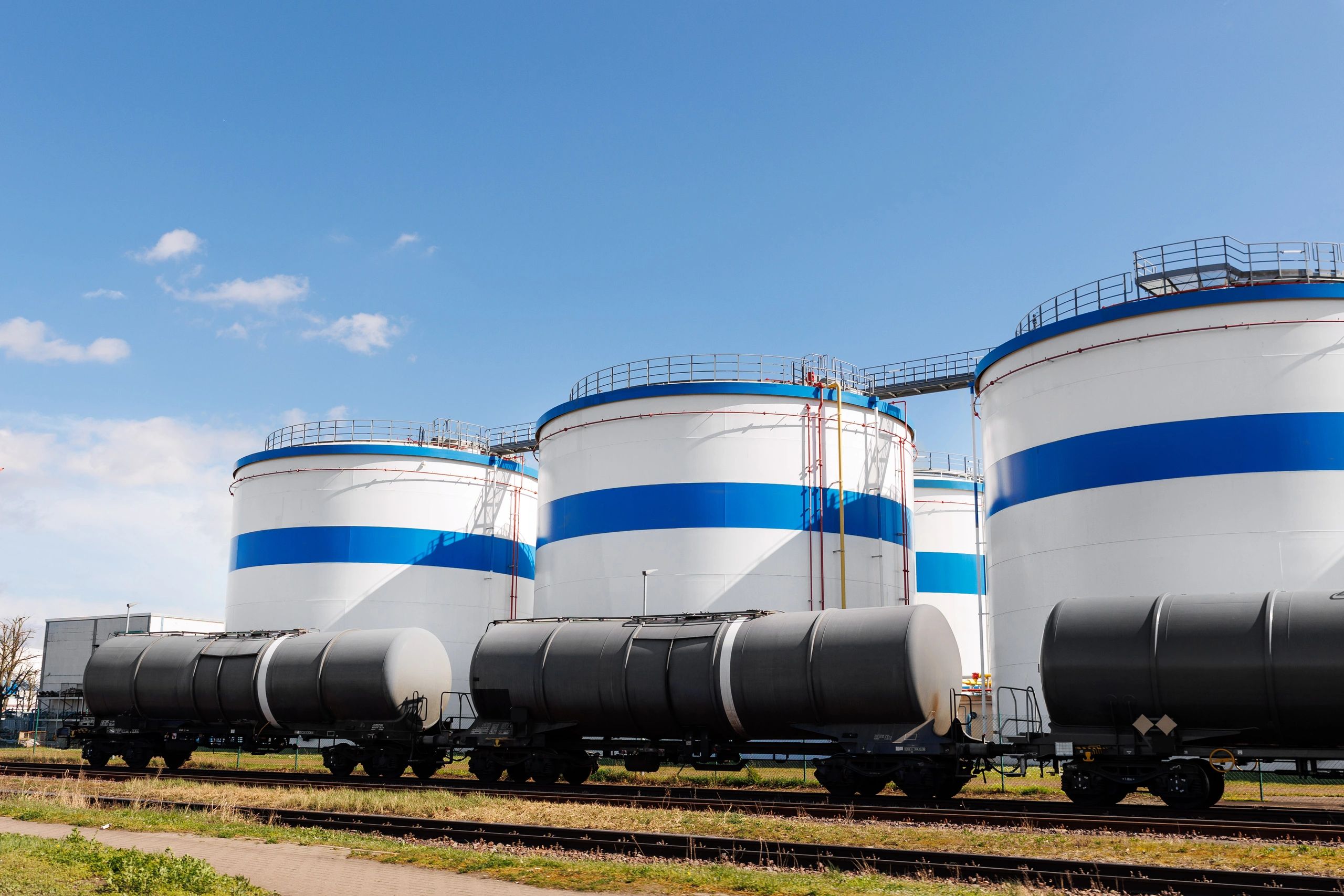
Goldman attributed some of the expected surplus to weaker Chinese demand, particularly for transport fuels. It estimates that the decline will reduce China’s total oil demand by 400,000 barrels a day in 2027. The bank also expects Middle Eastern production to rise from 2025 levels, adding downward pressure on international prices. It cited ship-to-ship transfers and new pipelines as contributing factors.
The UAE is building a second crude oil pipeline to Fujairah, which is expected to enter service in 2027. The pipeline would significantly increase the country’s ability to export oil without sending it through the Strait of Hormuz.
Earlier this month, Goldman said the global oil market had returned to balance in September and remained balanced in October. Global inventory drawdowns had stopped as production increased in the Middle East and elsewhere. Vortexa data showed crude and condensate flows from the Persian Gulf reached 14 million barrels a day in October, about 86% of pre-war levels. Fuel exports averaged 3.1 million barrels a day, roughly half their pre-war level.
The forecast follows an International Energy Agency report released last Friday. The IEA said the market could return to oversupply as soon as this quarter, with Middle Eastern production recovering faster than demand, and put the surplus at 1.7 million barrels. “The oil market is showing tentative signs of rebalancing, with global oil supplies surpassing demand for the first time since the outbreak of the war in Iran,” the agency said.



Comments (0)
No comments yet. Be the first!