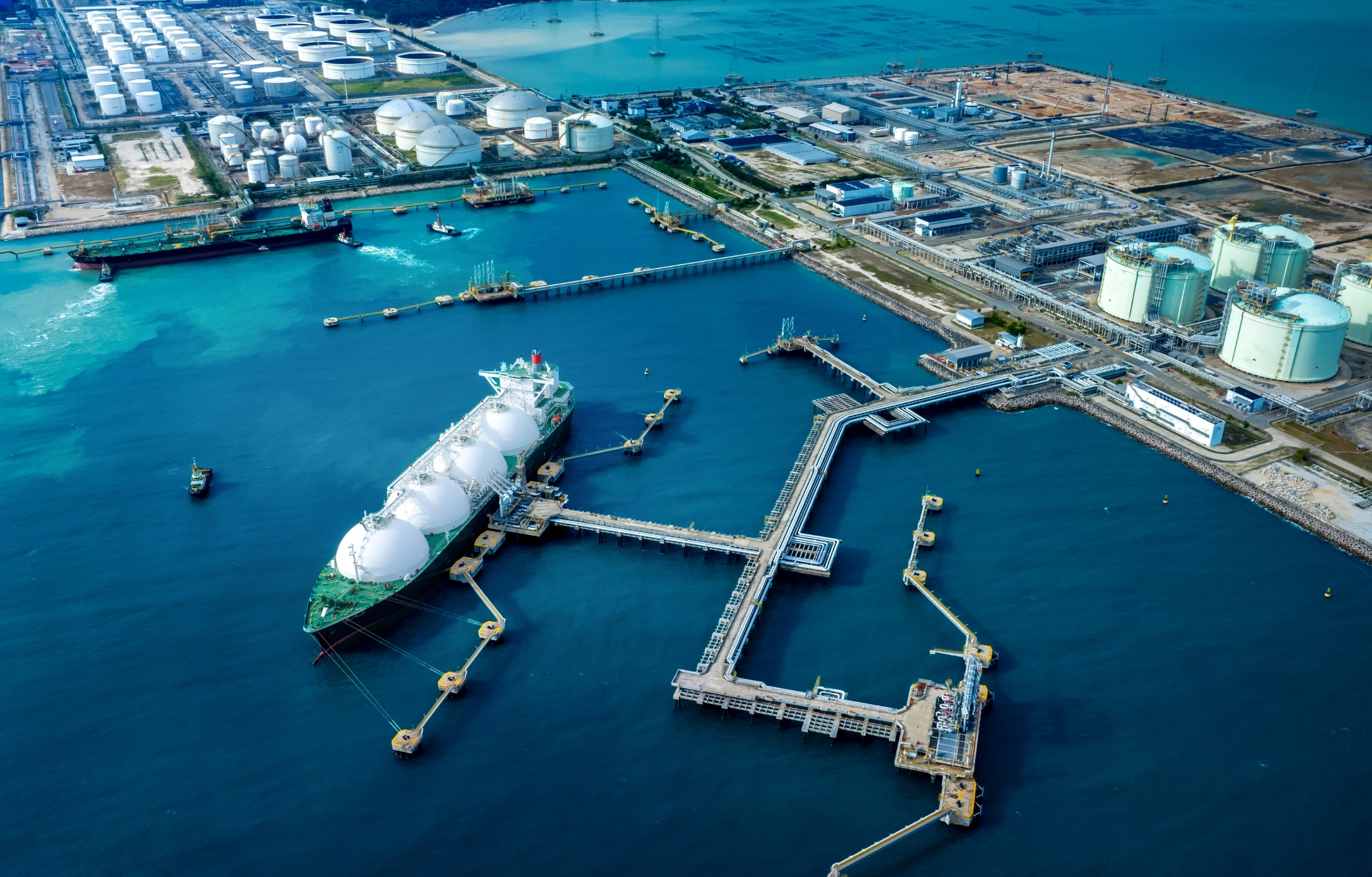
Estimated flows to the Golden Pass project also set a weekend record, while deliveries to Sabine Pass reached their highest level since April 2026, according to BloombergNEF. New U.S. projects have added capacity, and existing liquefaction trains have increased shipments as buyers in Europe and Asia compete for LNG cargoes that do not have to pass through the Strait of Hormuz.
The war in Iran has sharply reduced Qatar’s LNG exports, which must transit the strait to reach European and Asian markets. U.S. LNG exports averaged 17.4 billion cubic feet per day (Bcf/d) in the first six months of the year, up 23% from the same period in 2025, as new terminals started production and existing facilities expanded, the U.S. Energy Information Administration said in September.
Additional U.S. cargoes could ease pressure on Europe, which faces winter without Qatari supply, with a ban on Russian LNG imports due to begin January 1, 2027, and gas storage at its lowest level ahead of the winter season. QatarEnergy has extended force majeure on deliveries until at least the end of December 2026, while LNG flows through the Strait of Hormuz remain well below pre-war levels.
EU gas storage was 70.5% full on November 14, below the five-year average for that date, according to Gas Infrastructure Europe. Withdrawals have begun in most EU countries as temperatures fall and the heating season starts.

Comments (0)
No comments yet. Be the first!