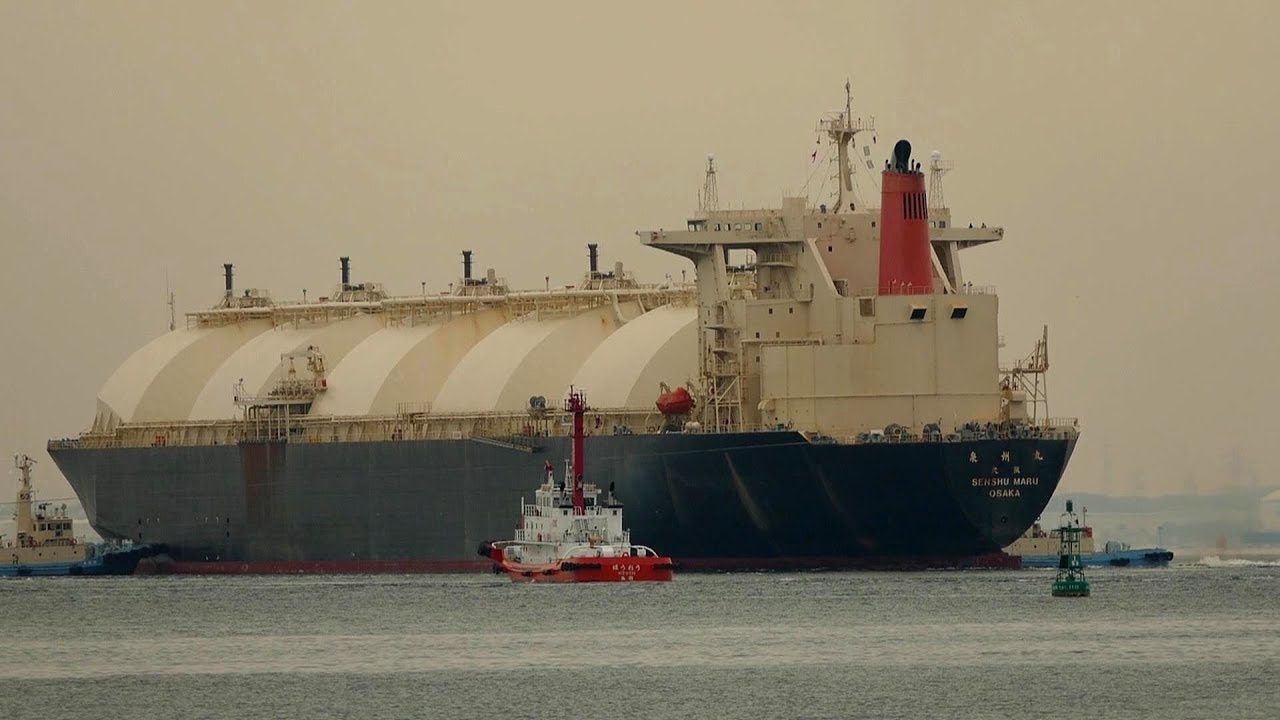
Japan’s seven-day average physical spark spread turned positive for the first time since the Middle East conflict began, according to data compiled by Bloomberg and reported Tuesday. The measure compares the price generators receive for electricity with the cost of the LNG used to produce it; a positive spread means utilities can earn more from selling power than they pay for the fuel.
Spot electricity prices surged on Monday to their highest level since August 2022. Colder weather and expected snowfall in the coming days are set to lift gas demand, while cloudy skies could curb solar generation and leave the power system more reliant on gas.
LNG prices in Asia and Europe are at four-year highs amid severely disrupted supplies from Qatar via the Strait of Hormuz. The benchmark price for spot LNG delivered to North Asia has tripled from a year earlier to about $30 per million British thermal units (MMBtu). Across Asia, buyers have sought to reduce gas use and turn to coal where available.
Japan’s higher power prices could nevertheless make it profitable for utilities to import and burn more gas, potentially supporting LNG demand despite the cost. Analysts say Japan is expected to overtake China as the world’s largest LNG importer this year for the first time since 2022, as high prices and comfortable storage levels in China limit its purchases.



Comments (0)
No comments yet. Be the first!