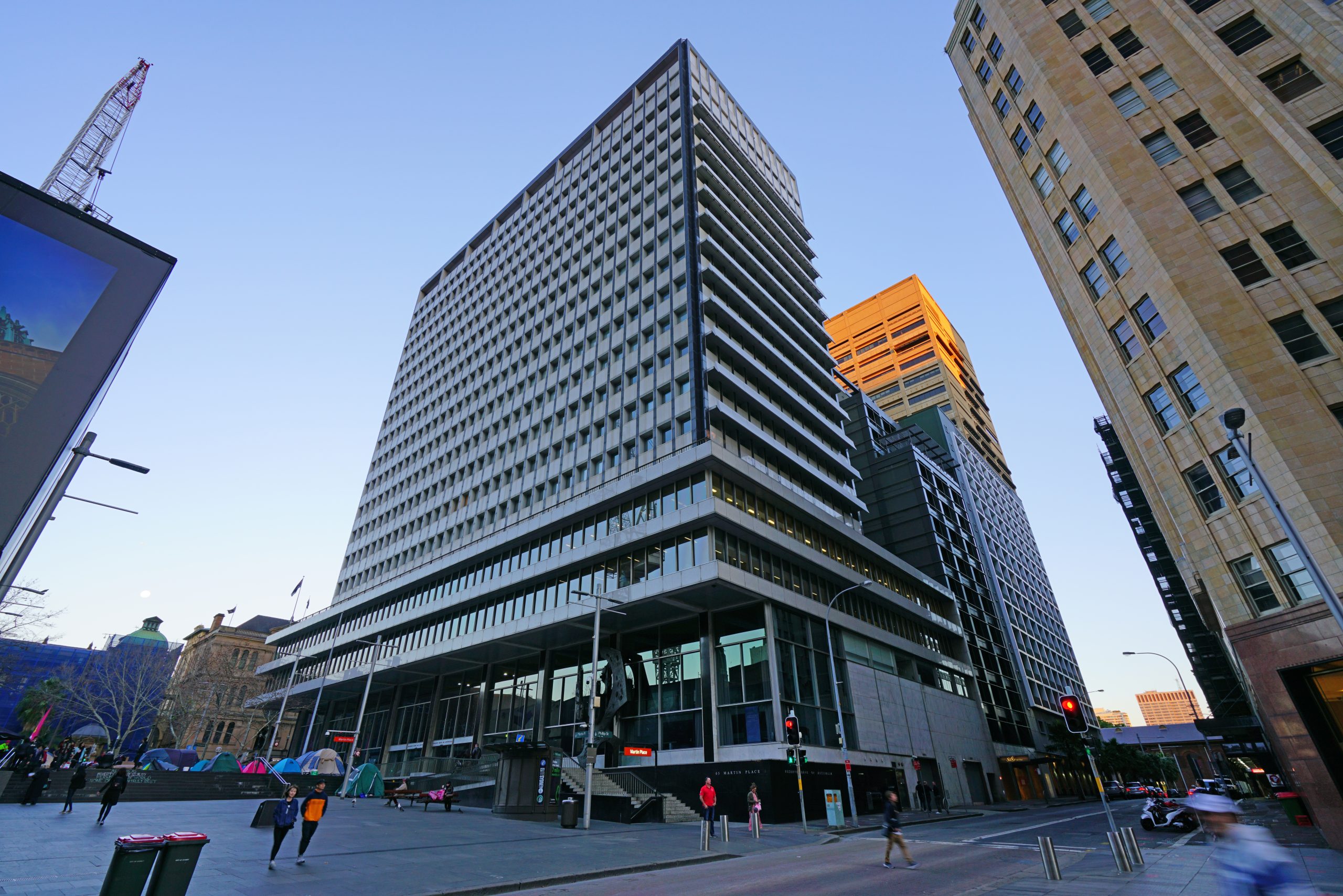
Fitch’s forecast would prolong pressure on a housing market already facing a sharp drop in new home lending. House prices are expected to record falls, the article said.
The agency’s comments followed October inflation figures released this week. Headline consumer price inflation rose to 4.9%, reflecting higher fuel prices and base effects from government electricity rebates in 2025. Trimmed mean inflation, a measure of underlying price growth, climbed to 3.8% year on year from 3.6% in September.
“A global energy price shock on top of persistent domestic inflation pressures means the RBA will need to keep monetary policy restrictive,” Fitch said. Fuel-price base effects are expected to stop adding to headline inflation from March, and wholesale energy prices should decline during 2027. But Fitch said underlying domestic pressures would remain strong: non-tradables inflation has been above 4% year on year since mid-2025, and many consumer price index items are rising by more than 3%.
The agency also pointed to capacity utilization above its long-run average, higher household inflation expectations and signs that businesses intend to pass on costs. Unemployment has risen in recent months, but Fitch said it remains broadly consistent with the RBA’s estimate of the natural rate, while other indicators show a tight labor market.
Fitch expects headline inflation to stay above 3% through 2027. Declining house prices, a softer labor market and lower expected energy prices underpin its view that the RBA has finished raising rates. Governor Michele Bullock is due to speak next week and could reiterate the central bank’s hawkish stance.


Comments (0)
No comments yet. Be the first!