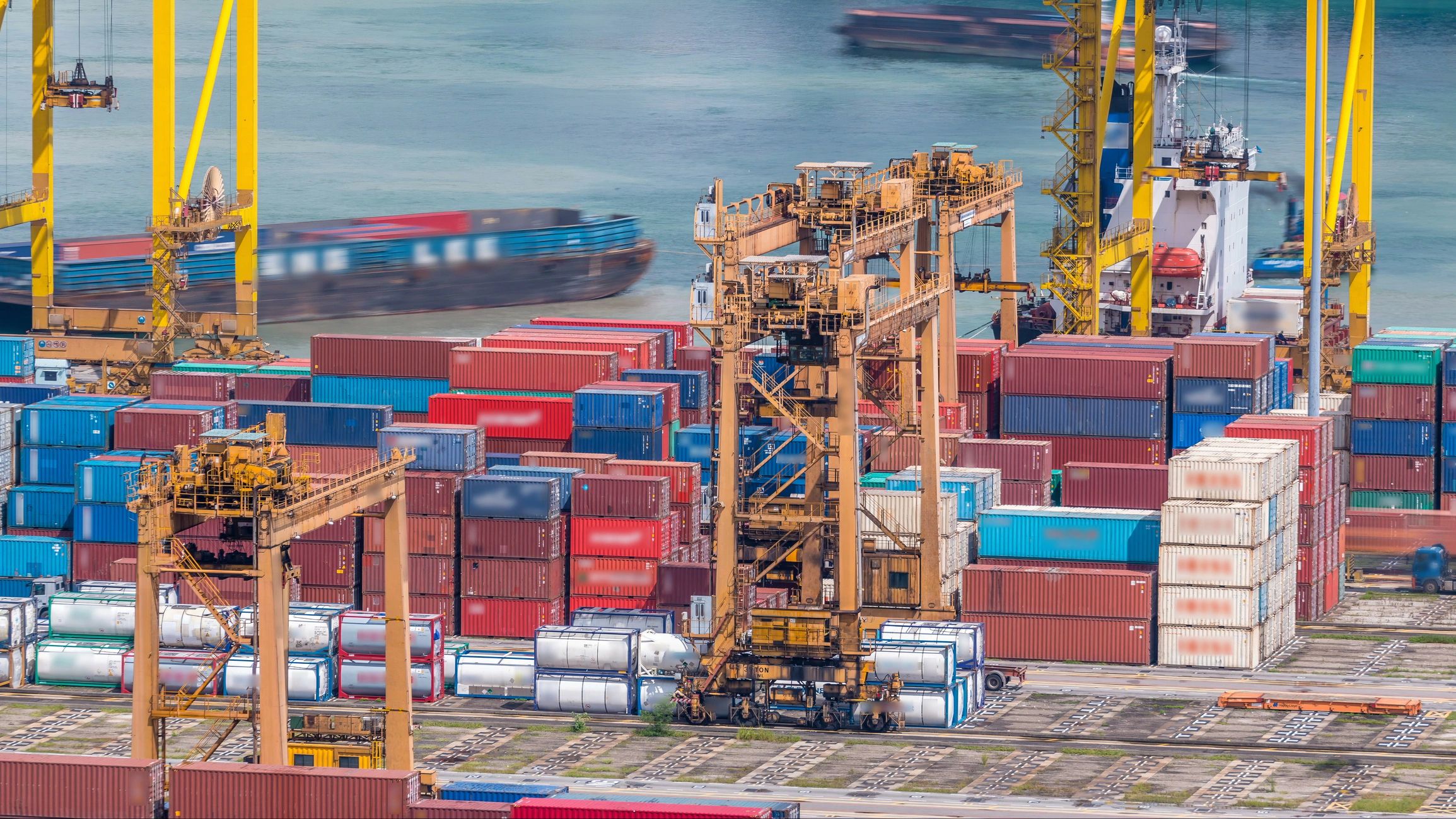
The Office of the U.S. Trade Representative announced the investigation results Wednesday. Washington says the practices under review create excess industrial capacity that harms U.S. commerce. Trade Representative Jamieson Greer said President Trump is proposing further action where governments have not addressed those practices, which Greer said leaders including China’s Xi Jinping recognize as a threat to the global economy. He said the steps could level the playing field for American workers and support a more sustainable world economy.
The proposed rates and their application remain uncertain. Vietnam faces the highest proposed duty, followed by India, then China and Singapore, Maybank analysts said. Possible exemptions for semiconductors and pharmaceuticals could soften the effect on Taiwan, South Korea, Singapore and Malaysia, while negotiations may bring rates down, the analysts said. USTR hearings are scheduled to begin in late January, and Maybank said uncertainty could continue into the first quarter of next year.
China’s Foreign Ministry spokesperson Guo Jiakun said Wednesday that tariff wars serve no one’s interests and called for the two sides to resolve disputes through consultation. He rejected “overcapacity” as a false proposition and said China opposes using it as a pretext for political manipulation.
Singapore said it was “very disappointed” by the proposed action, which could impose a 20% tariff on its exports to the U.S. Its Ministry of Energy, Trade and Industry said the findings fail to reflect the structure of the country’s economy, describing its trade surplus as the result of an outward-facing, market-oriented system. The ministry said Singapore does not protect its domestic market or subsidize manufacturing for export, and will continue engaging with USTR to seek a lower rate.
Taiwan said it was confident it could retain its existing 15% U.S. tariff rate and would work to protect terms secured in earlier agreements. Vietnam called the proposal preliminary and said it was preparing to take part fully in the next investigation stages, including presenting counterarguments. Its trade ministry said the countries were working to complete a reciprocal, fair and balanced trade agreement as soon as possible. Malaysia said the proposed duties were indicative, with a final rate expected in the first quarter of next year, and said it would seek to keep the total Section 301 tariff below 19%.


Comments (0)
No comments yet. Be the first!