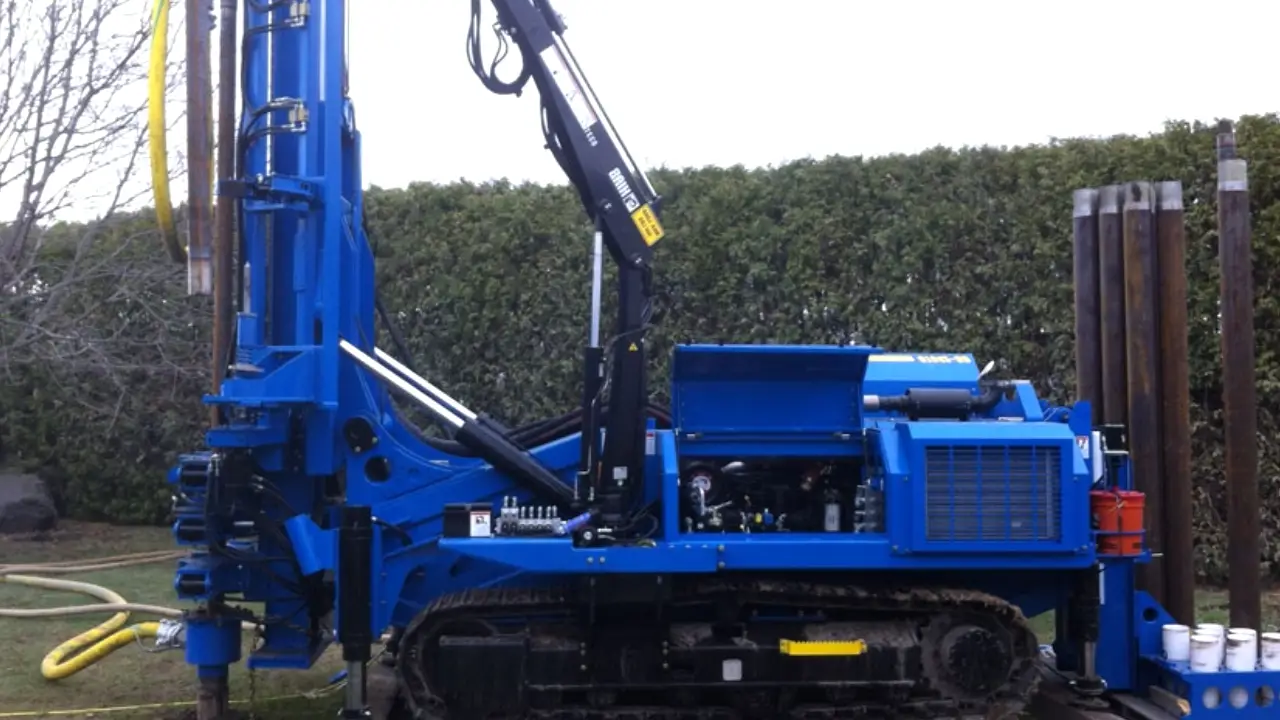
Conventional geothermal relies on heat that naturally reaches the surface, limiting its use to geologically unusual locations such as Iceland, where about 85 percent of homes have long been heated with geothermal energy. Enhanced geothermal aims to expand that reach by drilling deep underground, circulating water through heated rock and bringing the resulting steam back up to generate electricity.
University of California Irvine engineer Mohammad Javad Abdolhosseini Qomi said drilling three to six kilometers down can reach uniformly hot rock. From there, operators can drill horizontally, create fractures and pump in water, he told the UC Newsroom. But he cautioned that unlocking the resource safely and economically remains a major challenge, despite its potential to power the entire United States.
Researchers at the University of California and private companies are exploring ways to bring enhanced geothermal from modeling and development into commercial use. Some efforts adapt hydraulic fracturing; others use a fusion-derived vacuum-tube gyrotron to vaporize rock with high-frequency electromagnetic waves in a borehole.
The U.S. Department of Energy projects that enhanced geothermal could provide about 90 gigawatts of carbon-free power in the country by 2050—enough for at least 65 million homes. The technology has also drawn support under both the Biden and Trump administrations, and the UC project is backed by the department’s Genesis Mission.
Google has signed a power purchase agreement with Quaise Energy, which is developing the gyrotron approach. The startup is due to supply 50 megawatts of superhot geothermal power beginning as soon as 2030, a significant commercial commitment to the emerging sector.



Comments (0)
No comments yet. Be the first!