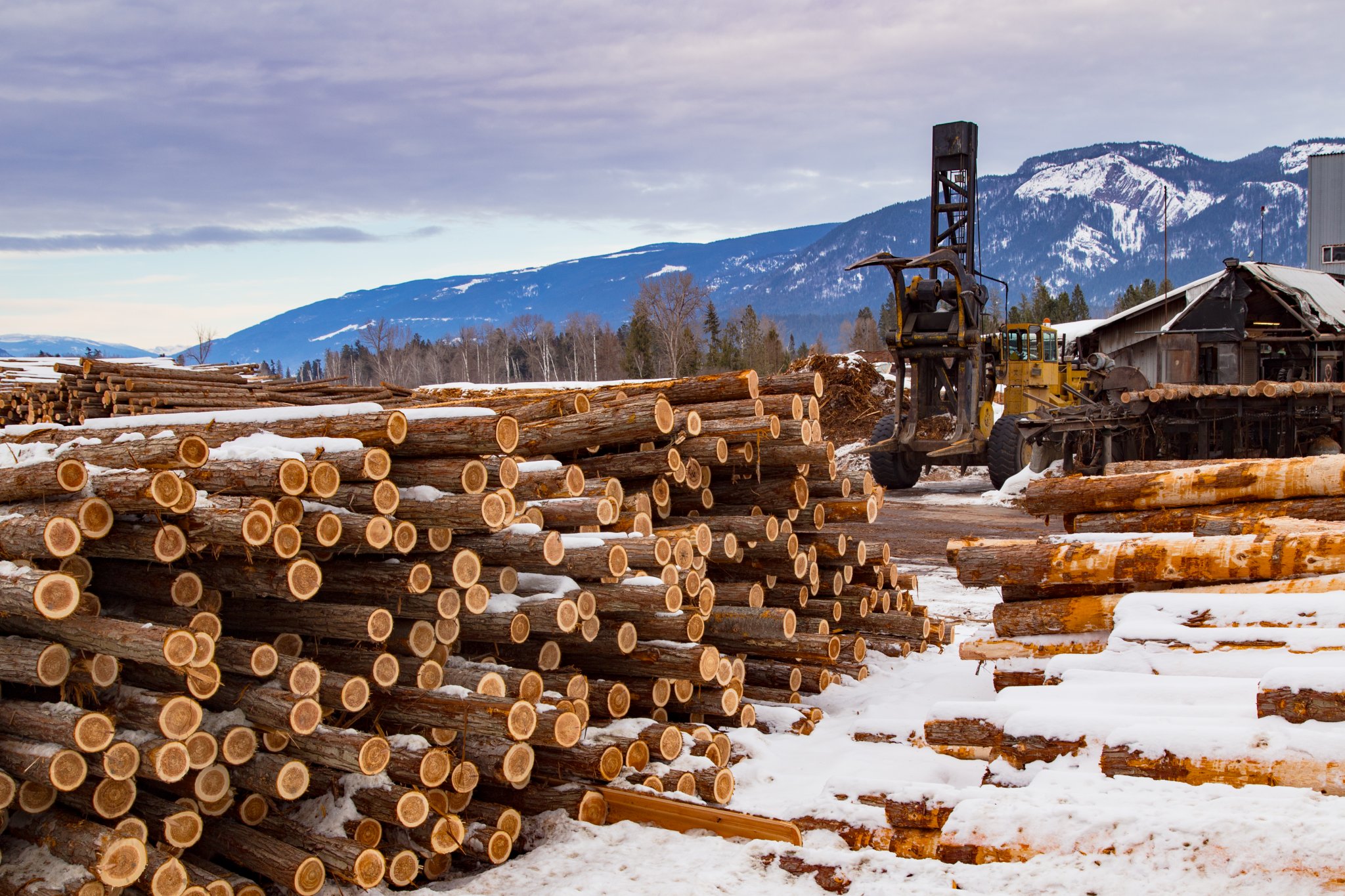
The government’s plan also targets challenges officials say are rooted at home: chronic underinvestment and overlapping regulations that restrict access to competitively priced fibre for pulp and paper production. Natural Resources Minister Tim Hodgson said the priorities are to improve fibre access, speed innovation and increase domestic demand. “Business as usual is no longer an option for our forest sector,” he said.
Most Canadian softwood lumber exports, used in home construction, face U.S. duties and tariffs of nearly 35%. The two countries have disputed lumber trade for decades, with U.S. officials accusing Canada of unfairly subsidizing its industry. Canadian officials said forest-product exports have fallen 22% since President Trump imposed further duties. Twelve sawmills have closed, while 40 other plants have curtailed output.
A government-appointed task force warned this year that the sector faces existential risks, citing the prospect of capital flight, losses of skilled workers and damage to rural and Indigenous communities. Canada has nearly 10% of the world’s forests, and timberland covers about 40% of the country. Yet forest products now account for about 1% of gross domestic product, down from 3% more than two decades ago. Employment is about 40% below its 2004 level, while softwood-lumber production has fallen nearly a third from 2017 levels.
Officials said about one-quarter of the new C$6.5 billion will go toward productivity improvements at existing sawmills. The rest is expected to support new large-scale factories producing advanced forest products. Across trade-exposed industries, the government has made roughly C$33 billion in financing available and provided about C$10 billion in direct support to affected workers.



Comments (0)
No comments yet. Be the first!