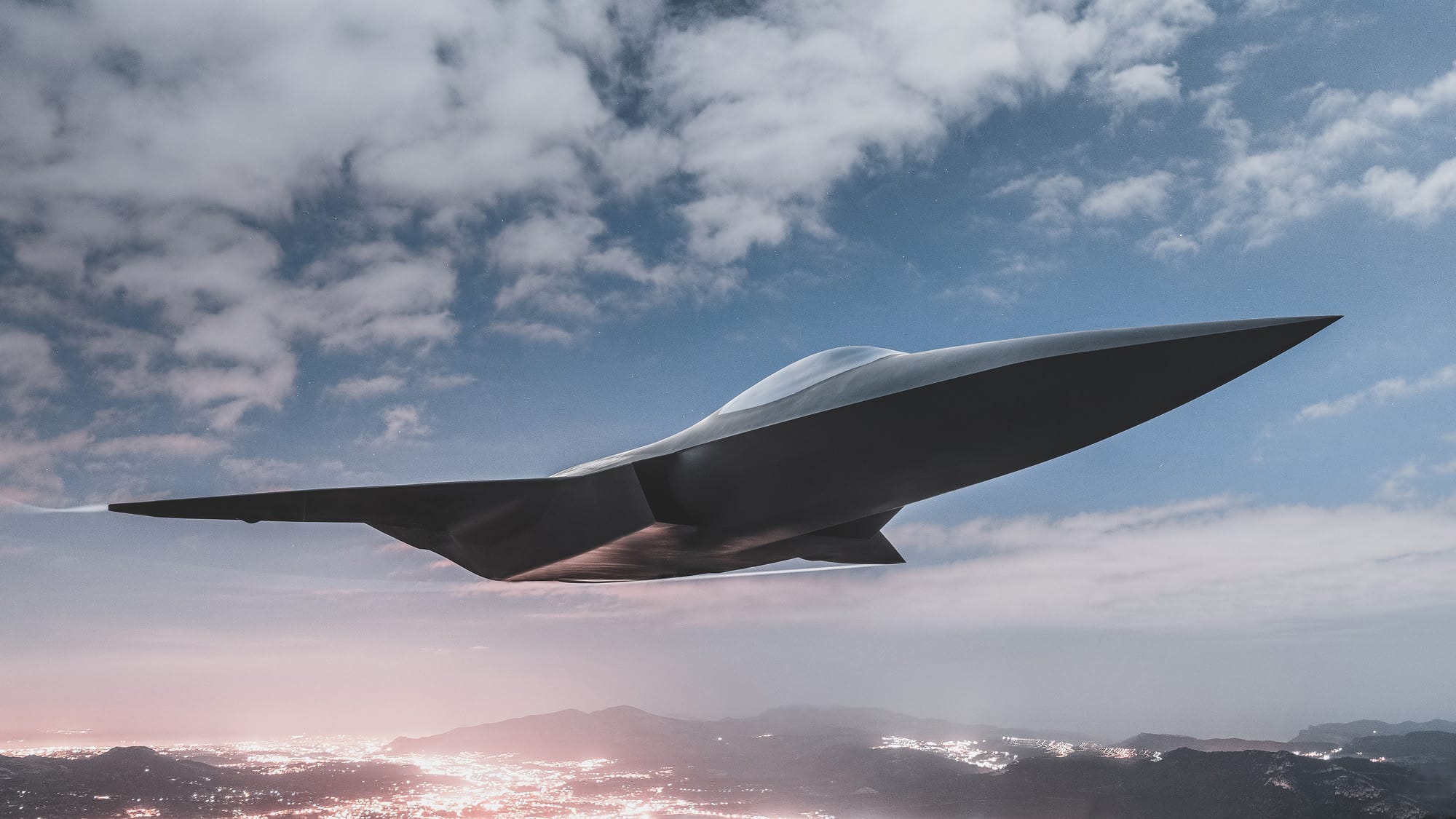
Speaking during an earnings call, Faury acknowledged that the ambitious defense project has reached a "difficult juncture." However, he maintained that the scale of a sixth-generation platform—integrating artificial intelligence, stealth, and drone swarms—requires deep cross-border cooperation that no single nation can achieve alone. The initiative, which joins Airbus, Dassault Aviation, and Indra Sistemas, is designed to replace aging Rafale and Eurofighter Typhoon fleets by 2040.
Navigating the Industrial Deadlock
Tensions have simmered for over a year, primarily centered on industrial control. Dassault Aviation has pushed to lead development and subcontractor selection, a move Airbus has resisted to protect its defense interests in Germany. The friction intensified after German Chancellor Friedrich Merz questioned whether manned fighter jets would still be relevant in two decades, suggesting in a recent interview that Berlin and Paris may no longer share the same strategic requirements.
To break the stalemate, Faury proposed a "two-fighter solution" tailored to the specific operational needs of each nation. This reorganized structure would allow Airbus to take a leading role in a jet design that could potentially involve additional international partners. Crucially, the CEO noted that the program’s other pillars—including the combat cloud and unmanned drone swarms—are progressing well and should not be derailed by disagreements over the primary airframe.
The FCAS program represents Europe’s primary attempt to field a domestic alternative to the American F-35 stealth fighter. According to project outlines, the success of the venture hinges on balancing several high-tech priorities:
- Integrating advanced artificial intelligence into cockpit systems.
- Developing a decentralized "combat cloud" for real-time data sharing.
- Managing a total estimated investment of 100 billion euros.



Comments (0)
No comments yet. Be the first!