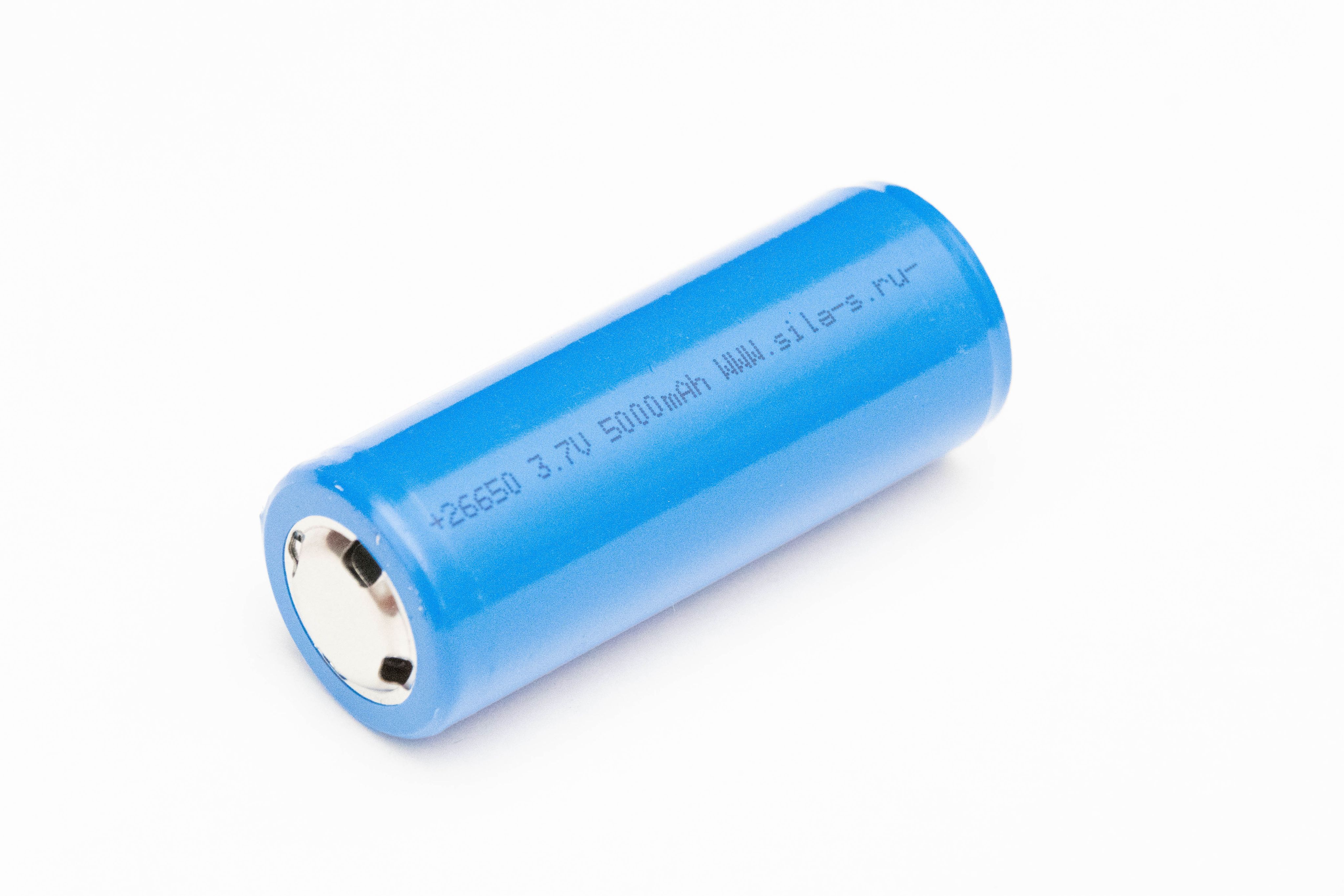
The move follows data indicating that lithium-ion battery demand is projected to grow nearly sevenfold by 2030, increasing the likelihood of hazardous interactions within waste management systems. Batteries discarded in standard streams can short-circuit, triggering fires that endanger collection crews, facility workers, and first responders. According to Ryan Nordt, executive director of recycling operations at WM, the prohibition is a necessary safety measure to prevent these volatile incidents.
National Waste & Recycling Association CEO Michael E. Hoffman noted that the industry faces a fire nearly every day in its trucks, transfer stations, and landfills. Beyond the new battery rule, WM continues to emphasize its core recycling standards: items must be empty and dry, free of food or liquids, and never placed inside plastic bags. Consumers are urged to visit batterysafetynow.org to locate authorized drop-off points for safe disposal.



Comments (0)
No comments yet. Be the first!