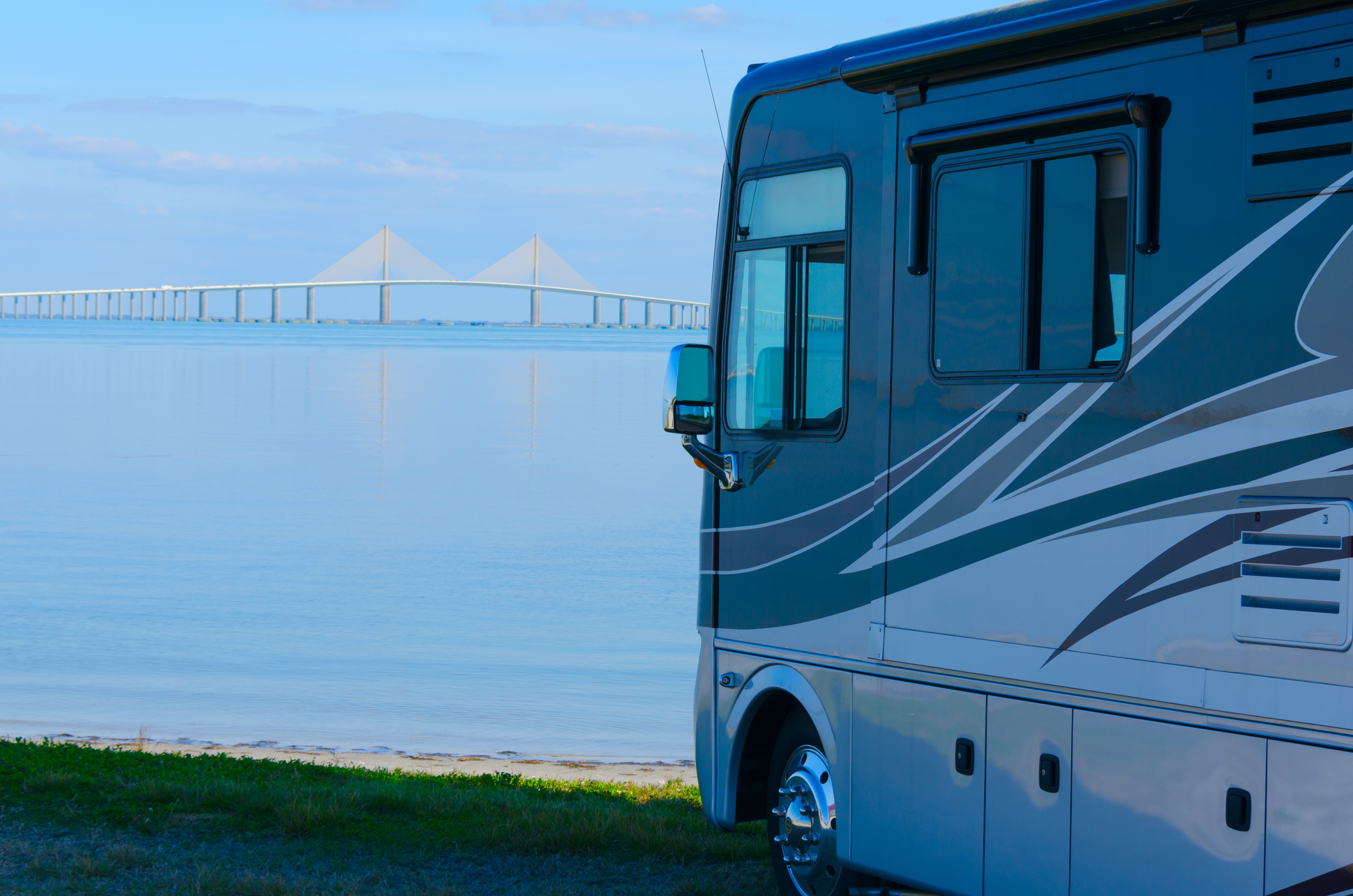
Many boat and RV owners view bundling as a straightforward path to lower premiums and reduced paperwork. However, Feller emphasizes that these specialty vehicles carry unique financial exposures that standard auto or home policies may fail to address. A boat kept in a marina year-round requires a vastly different risk profile than one stored on a trailer, just as an RV’s coverage needs fluctuate based on travel frequency and storage location.
Liability limits represent the most critical concern when combining policies. Accidents involving these vehicles can result in damages far exceeding the thresholds of typical personal lines. When bundling, owners must verify that their liability coverage accurately reflects both the asset's value and the potential for severe incidents. Furthermore, physical damage coverage—whether based on replacement cost or actual cash value—requires careful scrutiny, as boats and RVs often depreciate rapidly.
Beyond basic coverage, Feller points to the necessity of evaluating an insurer's specialized claims experience. Bundling is only effective if the provider can navigate the complexities of maritime or mobile-home incidents with efficiency. Before merging policies, owners should assess whether their insurer offers robust optional protections like emergency towing or specialized transport services, ensuring that the limits are scaled appropriately for the specific vehicle type rather than relying on generic policy defaults.



Comments (0)
No comments yet. Be the first!