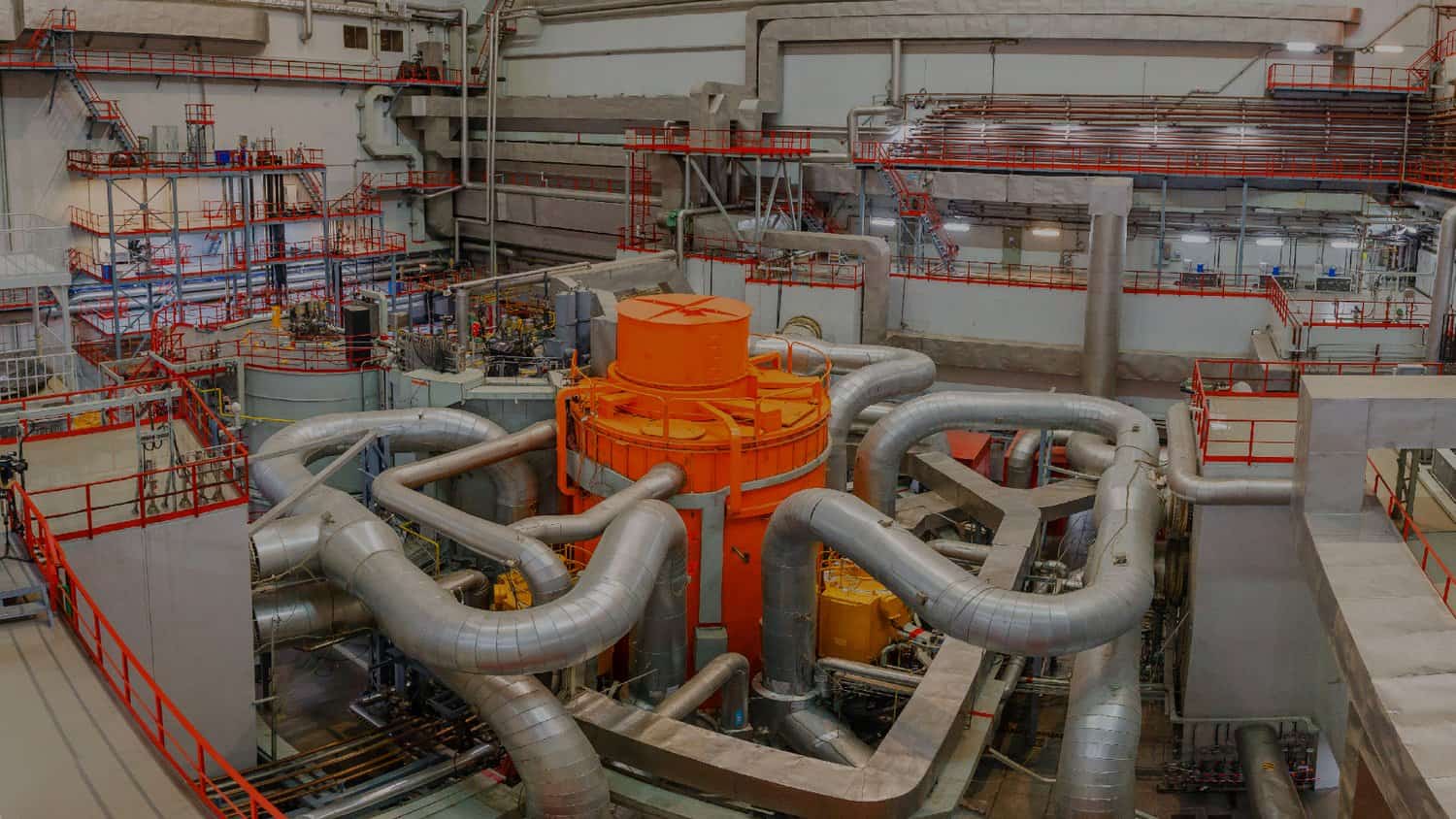
The Model for the Assessment of Reprocessing and Recycle with Innovative Execution, or MARIE, serves as the primary instrument for assessing the economic and regulatory viability of large-scale fuel recycling. SHINE’s inclusion in the project marks a significant expansion of the company’s platform, leveraging its background in isotope production to address the technical and commercial hurdles of the domestic nuclear supply chain. Under the terms of the agreement, SHINE will focus on three critical pillars: integrating security safeguards into facility design, navigating complex federal licensing pathways, and identifying market opportunities for isotopes recovered from spent fuel.
"Recycling effectively makes nuclear fuel a renewable resource, reshaping the next era of clean energy," said Greg Piefer, founder and CEO of SHINE. The company intends to use the insights gained from this consortium to support its own long-term objective: a pilot facility capable of processing 100 metric tons of used fuel annually by the early 2030s. By translating the regulatory lessons learned from its Chrysalis medical isotope facility, SHINE aims to provide a blueprint for minimizing the costs that have historically hampered commercial recycling efforts. EPRI plans to publish two of the resulting reports to provide industry-wide transparency, as the U.S. seeks to reduce its massive inventory of stored nuclear waste.


Comments (0)
No comments yet. Be the first!