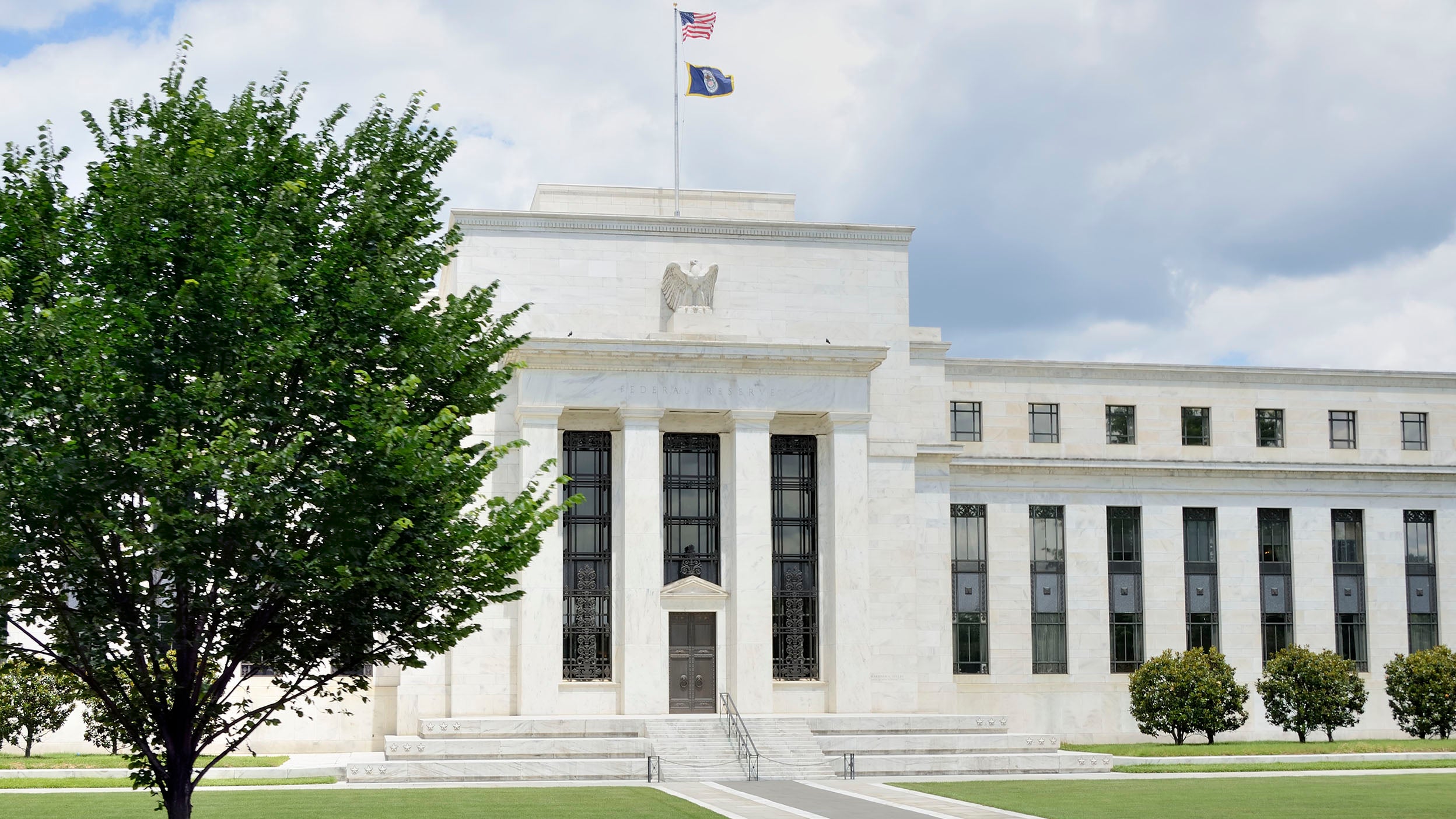
Industry leaders are focusing their efforts on specific regulatory friction points rather than a broad confrontation. Their primary objectives include reducing capital charges assigned to Wall Street trading desks, eliminating requirements to hold reserves against unused credit card lines, and recalibrating the surcharge applied to globally systemically important banks. Executives argue that current proposals remain overly conservative, particularly when viewed alongside the Fed’s annual stress test assessments.
Regarding the GSIB surcharge, banks are pressing for a recalibration that accounts for economic growth dating back to 2015, rather than the Fed’s proposed 2019 baseline. This adjustment would effectively lower the banks' size relative to the economy, softening the resulting capital burden. While industry groups initially identified nearly 100 potential issues with the March draft, they have narrowed their formal petitions to a few dozen key items. This disciplined approach follows guidance from Fed Vice Chair for Supervision Michelle Bowman, who encouraged firms to provide measured feedback as regulators aim to finalize the policy within the next six months. Critics of these potential relaxations, including advocates at Better Markets, maintain that stringent capital standards remain the only reliable buffer against systemic risk and taxpayer-funded bailouts.


:max_bytes(150000):strip_icc()/Houseextension-GettyImages-139527979-5ca7dc3edd78449f820421a7648f5931.jpg)
Comments (0)
No comments yet. Be the first!