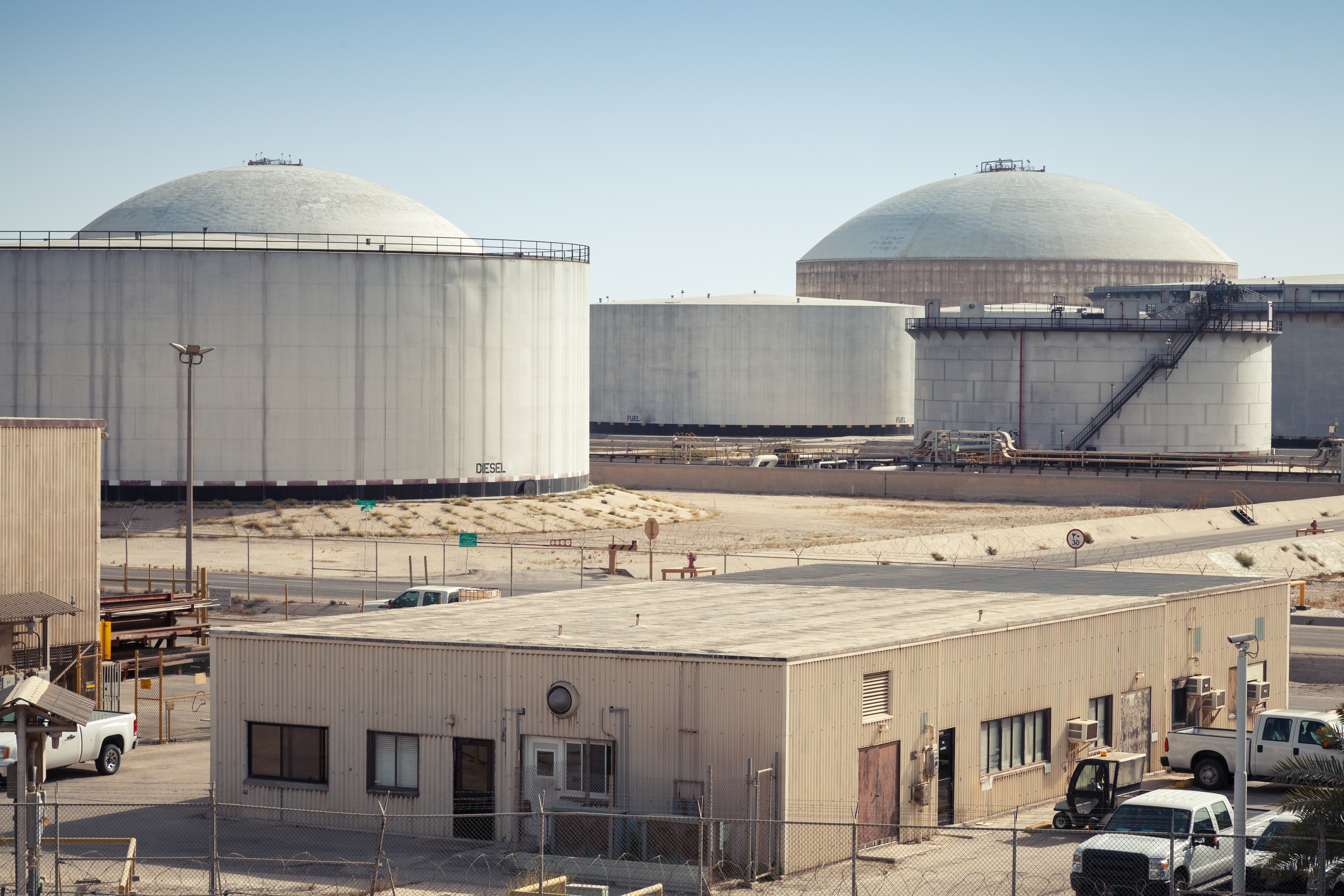
While the Strait of Hormuz has dominated recent headlines, the activation of this flagship terminal represents a more substantive recovery for global energy markets. Saudi Arabia maintained exports throughout the period by rerouting millions of barrels daily via the East-West Pipeline to the Red Sea port of Yanbu, yet the silence at Ras Tanura remained a persistent concern for traders. The current positioning of supertankers indicates that Riyadh views the regional security climate as stable enough to resume standard operations at its most critical Persian Gulf outlet.
This shift has already exerted downward pressure on crude prices, as markets pivot from pricing in geopolitical risk to tracking physical cargo movements. The broader Gulf region is seeing a synchronized recovery: Iraq is expanding export volumes, Kuwait is lifting production, and Iran has re-entered Asian markets. Despite lingering caution among tanker owners regarding insurance and transit risks, the assembly of Bahri’s fleet suggests a sustained increase in shipments is imminent. With the immediate supply shock that drove prices above $100 per barrel now receding, the industry is transitioning from crisis management to the complex task of rebuilding regional export capacity.




Comments (0)
No comments yet. Be the first!