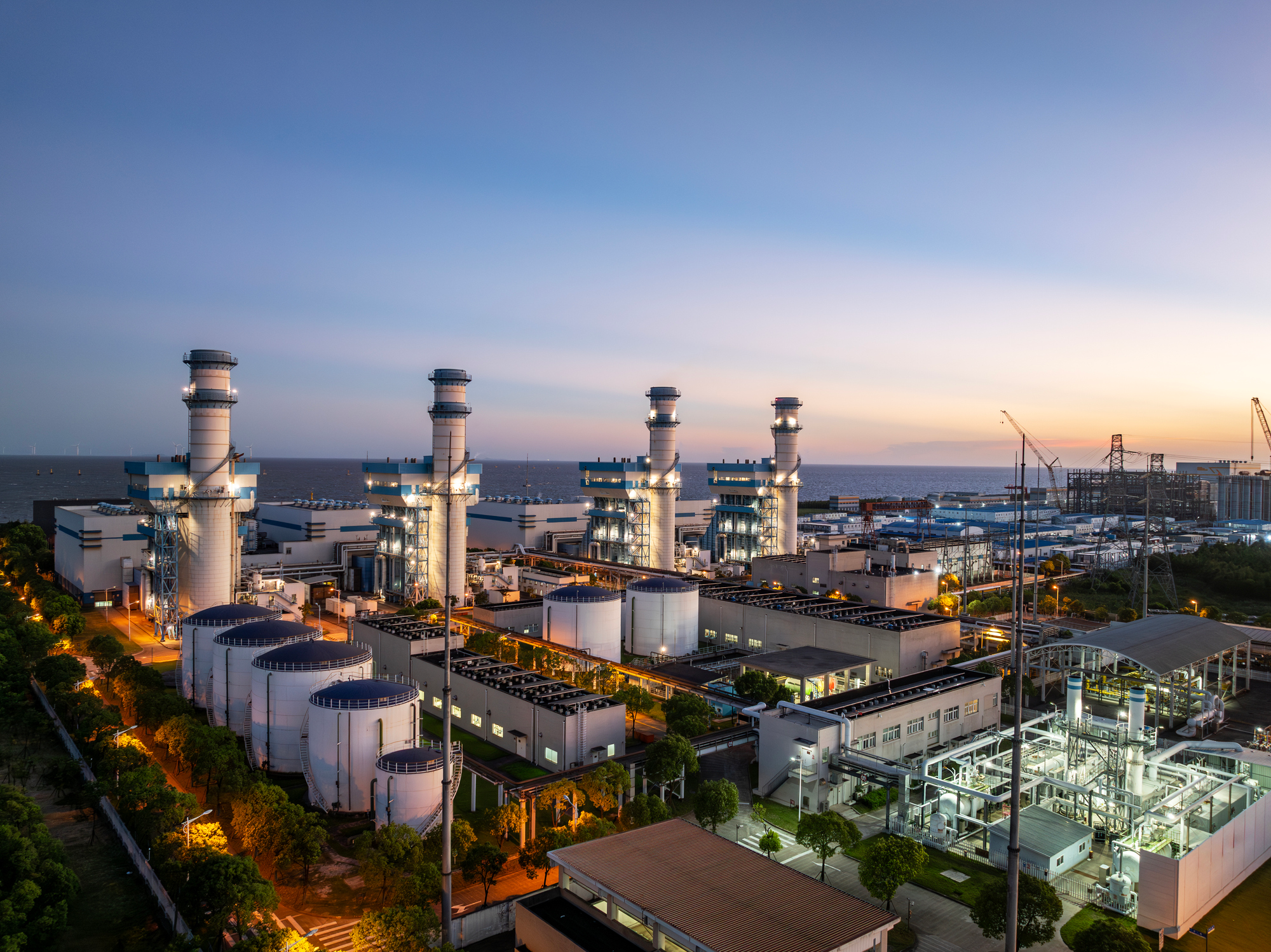
The preliminary 2026 integrated resource plan highlights a significant departure from previous forecasts, noting that load growth is already tracking toward the utility's high-growth scenario. Beyond the aggressive gas expansion, the federally-owned utility proposes adding up to 5 GW of nuclear power, alongside a mix of battery storage and renewables. This diversification aims to balance the urgent need for reliability against the volatility of fuel prices, particularly as the region deals with increasingly extreme winter weather, including a record peak demand of 35,319 MW in January 2025.
Governance at the utility remains under intense scrutiny following recent shifts in board composition. After the Trump administration replaced three Biden-era appointees, the board reversed course on planned coal plant retirements at the Cumberland and Kingston sites. The current plan explicitly frames the existing coal fleet as a necessary, cost-effective tool for maintaining system stability. TVA is evaluating three distinct strategic paths, weighing the financial risks of heavy gas reliance against the high costs of nuclear innovation and the potential reliability gaps inherent in a strategy overly dependent on distributed renewables. Public feedback on these proposals is open until July 22, with final recommendations expected at the August board meeting.




Comments (0)
No comments yet. Be the first!