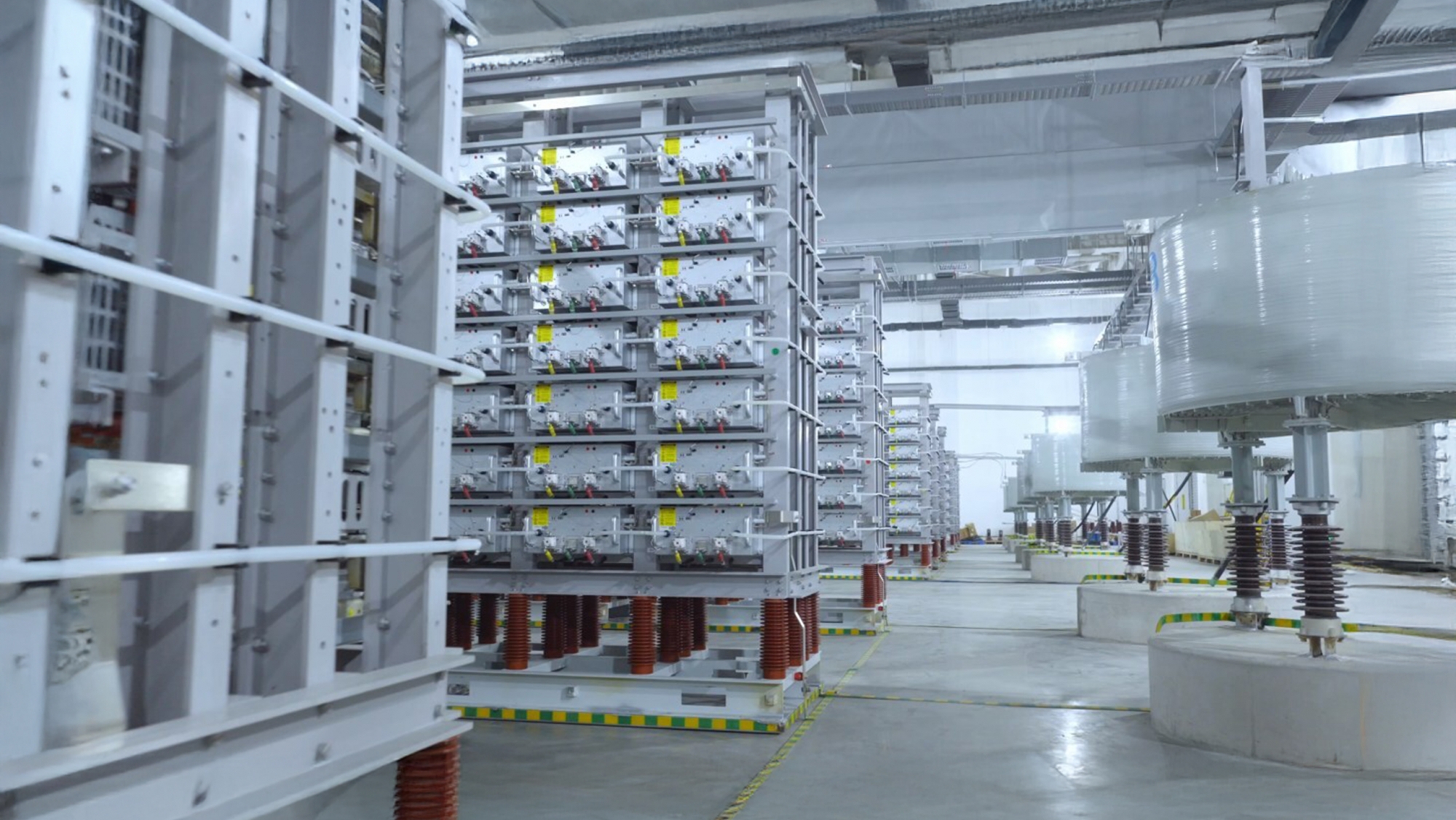
The transition marks a strategic shift for the Chinese giant, which now targets 50 percent of its revenue from energy storage systems by 2030. As hyperscalers and utilities scramble for grid stability, battery storage is evolving from a niche product into critical infrastructure. While General Motors’ vice president of batteries, Kurt Kelty, has emphasized the need for domestic U.S. production to meet rising electricity demand, China currently maintains a massive lead, adding more storage capacity in 2025 than the U.S. and EU combined.
To decouple from the volatile lithium market, CATL is betting on sodium-ion technology. The company’s new TENER system, debuting domestically in September with global shipments scheduled for June 2027, leverages sodium for its abundance and safety advantages over lithium. William Wu, director of CATL’s energy storage technical center, noted that diversifying raw materials is essential for global energy independence.
This expansion into the U.S. market, however, is fueling geopolitical tension. Critics argue that relying on CATL for next-generation energy storage creates a strategic vulnerability, given the company's significant influence and deep ties to China’s industrial infrastructure. Despite these security concerns, the influx of Chinese green energy exports to the U.S. continues to climb, highlighting a widening gap in the global clean energy tech race.


Comments (0)
No comments yet. Be the first!