S&P 500 5,235.18 +1.02%EUR/USD 1.0840 +0.21%GBP/USD 1.2710 +0.14%USD/JPY 149.50 −0.18%BRENT $82.40 −0.81%BTC $67,800 −0.21%GOLD $2,341 +0.55%NASDAQ 16,420.55 +0.74%S&P 500 5,235.18 +1.02%EUR/USD 1.0840 +0.21%GBP/USD 1.2710 +0.14%USD/JPY 149.50 −0.18%BRENT $82.40 −0.81%BTC $67,800 −0.21%GOLD $2,341 +0.55%NASDAQ 16,420.55 +0.74%
A daily business newspaper · Founded in 2026

Money Talk

Finance and markets: business, quotes, gold, energy and releases.

Middle East Tankers Increasingly Go Dark to Evade Regional Threats

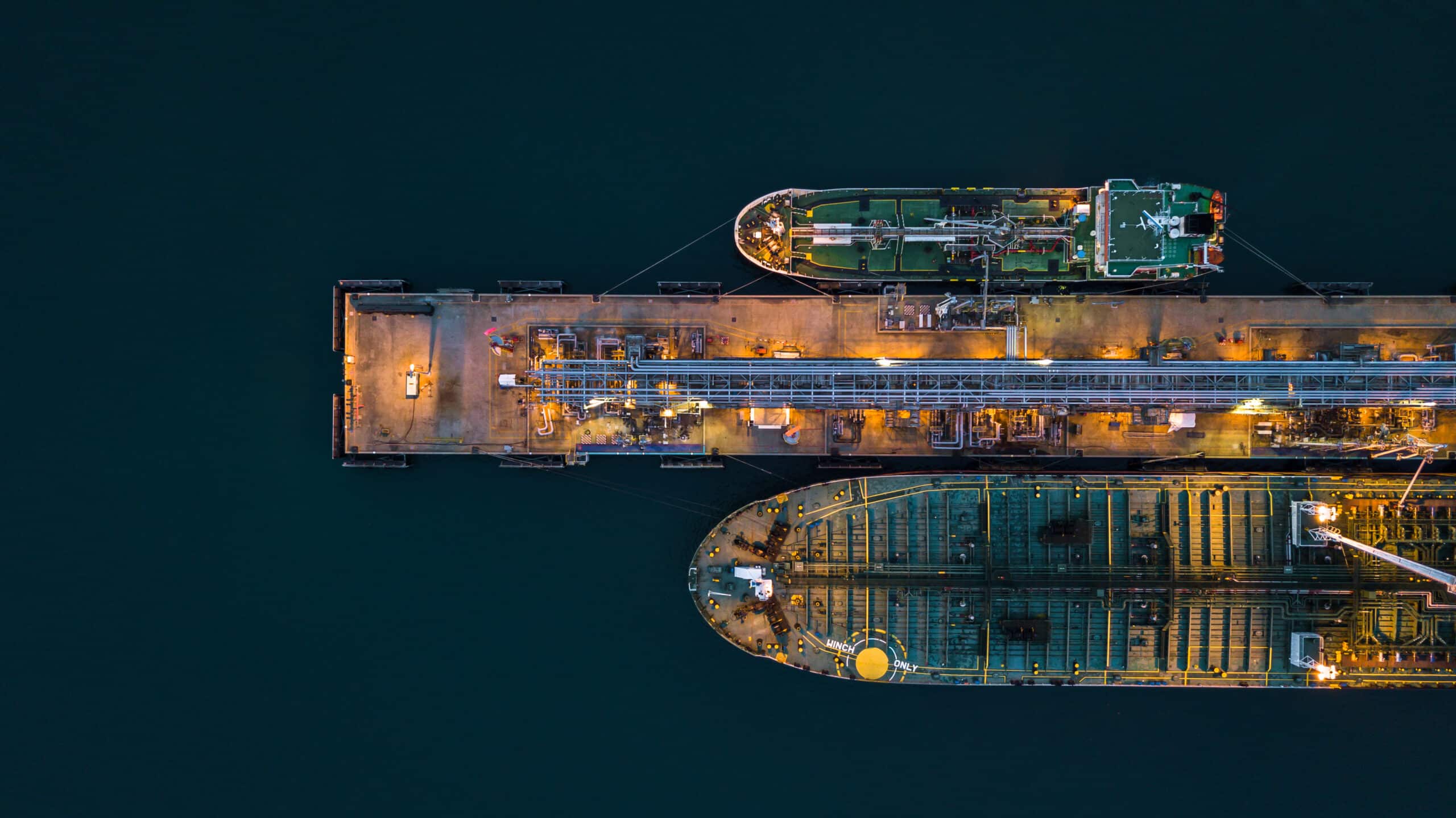
Oil tankers transiting the Strait of Hormuz and the Bab el-Mandeb are disappearing from radar for days at a time, a tactical shift from short-duration stealth to extended periods of invisibility. This rise in dark-mode transit complicates global energy monitoring as vessels navigate heightened maritime risks and regional conflicts.

Middle East Tankers Increasingly Go Dark to Evade Regional Threats

Ship-tracking data monitored by Bloomberg reveals that vessels are no longer merely toggling transponders off for the duration of a chokepoint transit. Instead, ships are remaining dark for up to a week or longer. This trend has expanded beyond the Persian Gulf to include the Red Sea, where Iran-aligned Houthi forces continue to target Saudi-linked commercial interests.

The implications for market transparency are significant. When a supertanker like the Romania Prosperity vanishes off Fujairah for ten days, analysts cannot confirm if the vessel retained its original cargo or conducted a ship-to-ship transfer. Such prolonged absences from AIS positioning systems obscure the actual volume of crude exports leaving the Middle East. As both Saudi operators and international shippers prioritize evasion over visibility, the ability for the industry to accurately track oil flows continues to erode, leaving energy markets with increasingly unreliable data.


Share article
TelegramXFacebook

When reusing this material a link to Money Talk is required.

Comments (0)

Leave a comment

No comments yet. Be the first!