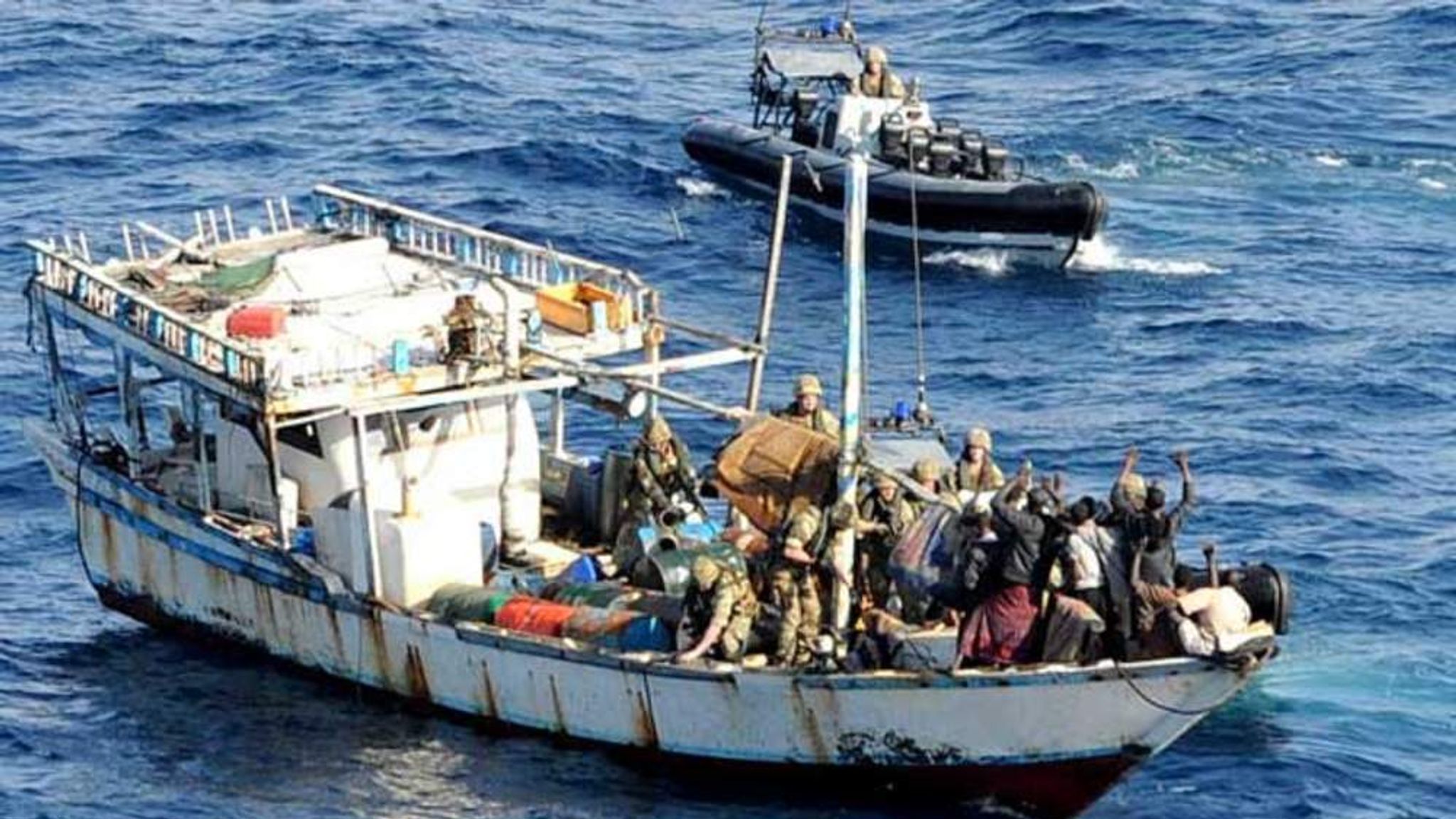
The hijacking of the MT Honour 25, MT Eureka, and MT Asana between April and July 2026 marks the most significant surge in Somali piracy in over a decade. Unlike the fragmented groups of the early 2000s, modern syndicates now operate with advanced military-grade weaponry and precision GPS tracking. Intelligence reports link this escalation to a strategic alignment between Yemeni militants and Somali networks, with the Houthis reportedly providing training and equipment in exchange for maritime chaos that keeps Western navies occupied.
Financial incentives are driving this resurgence, as ransom demands have skyrocketed. Pirates recently requested $10 million for the release of the MT Eureka and $3 million for the MT Honour 25. These figures dwarf historical averages, fueled by a sophisticated model where terrorist groups like Al-Shabaab provide logistical support in return for a 30% cut of ransom proceeds. As war-risk insurance premiums for global shipping climb as high as 10% per voyage, the economic burden of this maritime insecurity is rippling far beyond the Horn of Africa. With regional naval forces struggling to monitor vast oceanic stretches, the combination of state-level conflict in the Middle East and organized criminal opportunism has turned the waters off the African coast into a high-stakes, volatile theater.



Comments (0)
No comments yet. Be the first!