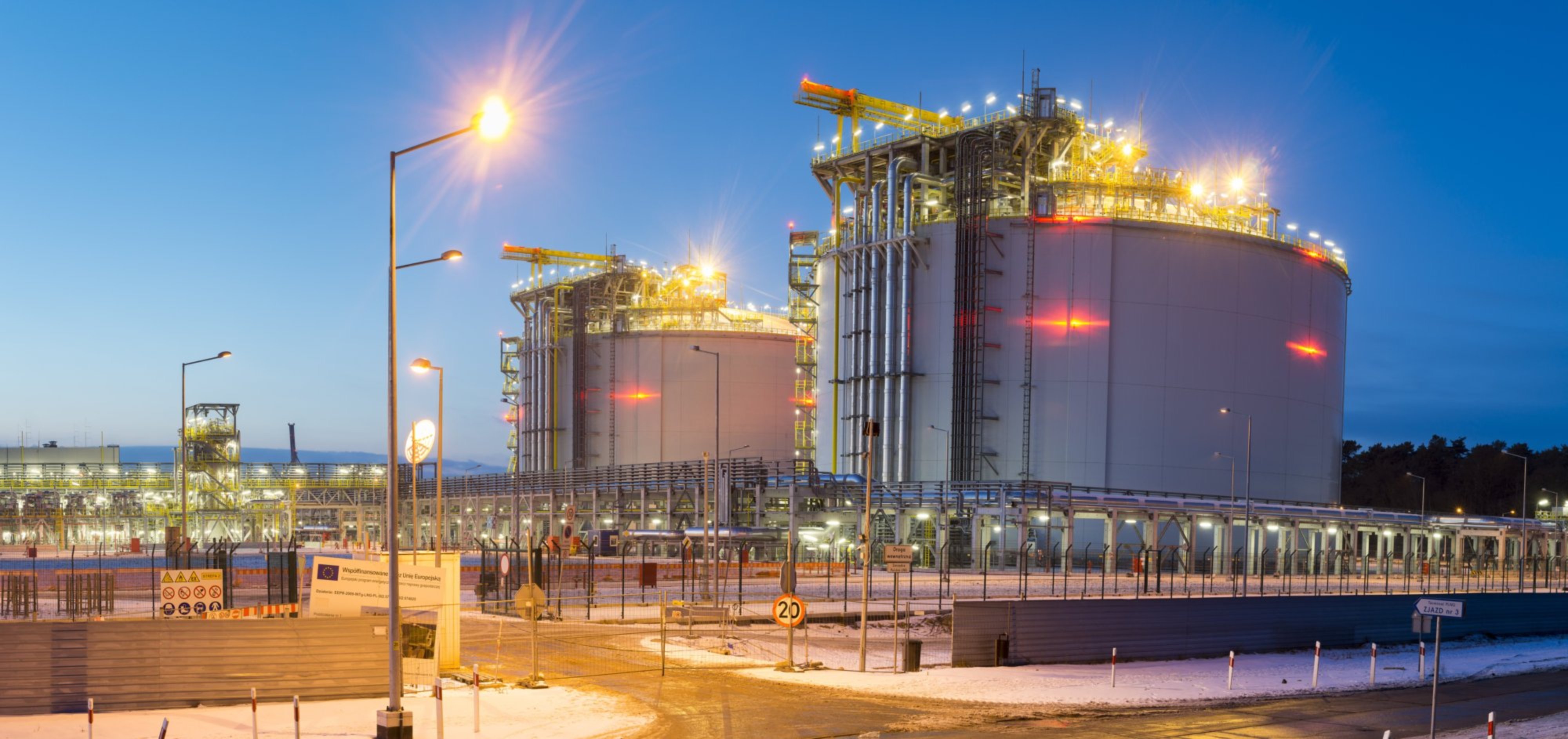
The spike follows a shift in the country's energy mix, which now relies heavily on spot-market RLNG and furnace oil. Local brokerage Arif Habib Limited reported that this reliance, compounded by elevated global oil prices, has squeezed the national power budget. Complicating the fiscal strain, total electricity generation increased by 7% in July, marking the second-highest output for the month on record, fueled by a combination of hydroelectric and coal-based power.
Pakistan’s energy security took a hit after supply from Qatar, its primary long-term provider, stalled alongside broader transit issues near the Strait of Hormuz. To prevent blackouts, state-controlled Pakistan LNG Limited recently accepted a bid from TotalEnergies Gas & Power at $21.88 per million British thermal units for late-July delivery. This represents the highest price paid by the country since early 2022, when global markets were upended by the invasion of Ukraine and the resulting volatility in pipeline gas supplies.



Comments (0)
No comments yet. Be the first!