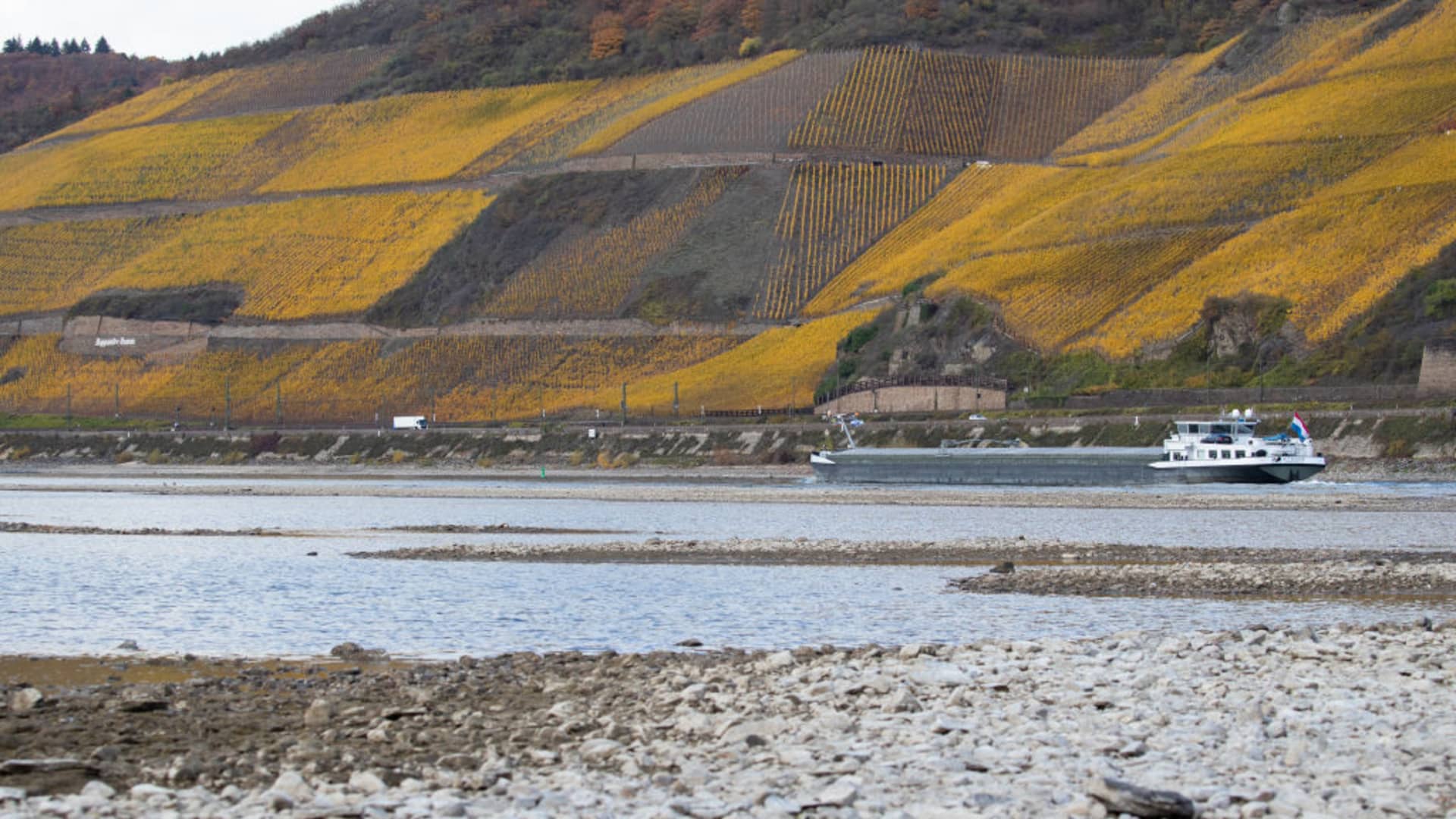
At the Kaub chokepoint, depths have recovered to 45 centimetres, failing to reach the 77-centimetre threshold required for efficient commercial traffic. This persistent bottleneck fragments the Rhine corridor, effectively isolating industrial hubs in southern Germany, Switzerland, and eastern France from the Amsterdam-Rotterdam-Antwerp logistics gateway. For chemical giants like BASF and LyondellBasell, the impact is immediate: trapped inventories and forced production cuts. While naphtha pipelines provide some insulation, the inability to move finished products—from butadiene to polyols—has triggered force majeure declarations and forced refineries like Karlsruhe’s Miro site to rely on expensive, inefficient road transport.
Freight rates tell the story of a broken system, with ARA-Karlsruhe costs surging five-fold to €215 per tonne. Road and rail alternatives are failing to bridge the gap; replacing a single 2,400-tonne barge requires 90 trucks, a logistical shift that current infrastructure cannot sustain. The crisis remains contained only because European crackers are operating at 70% capacity due to weak demand and high energy costs. Should manufacturing recover or winter fuel stockpiling accelerate, the current supply constraints will likely intensify, proving that the continent’s industrial margin of safety has evaporated alongside the river’s depth.



Comments (0)
No comments yet. Be the first!