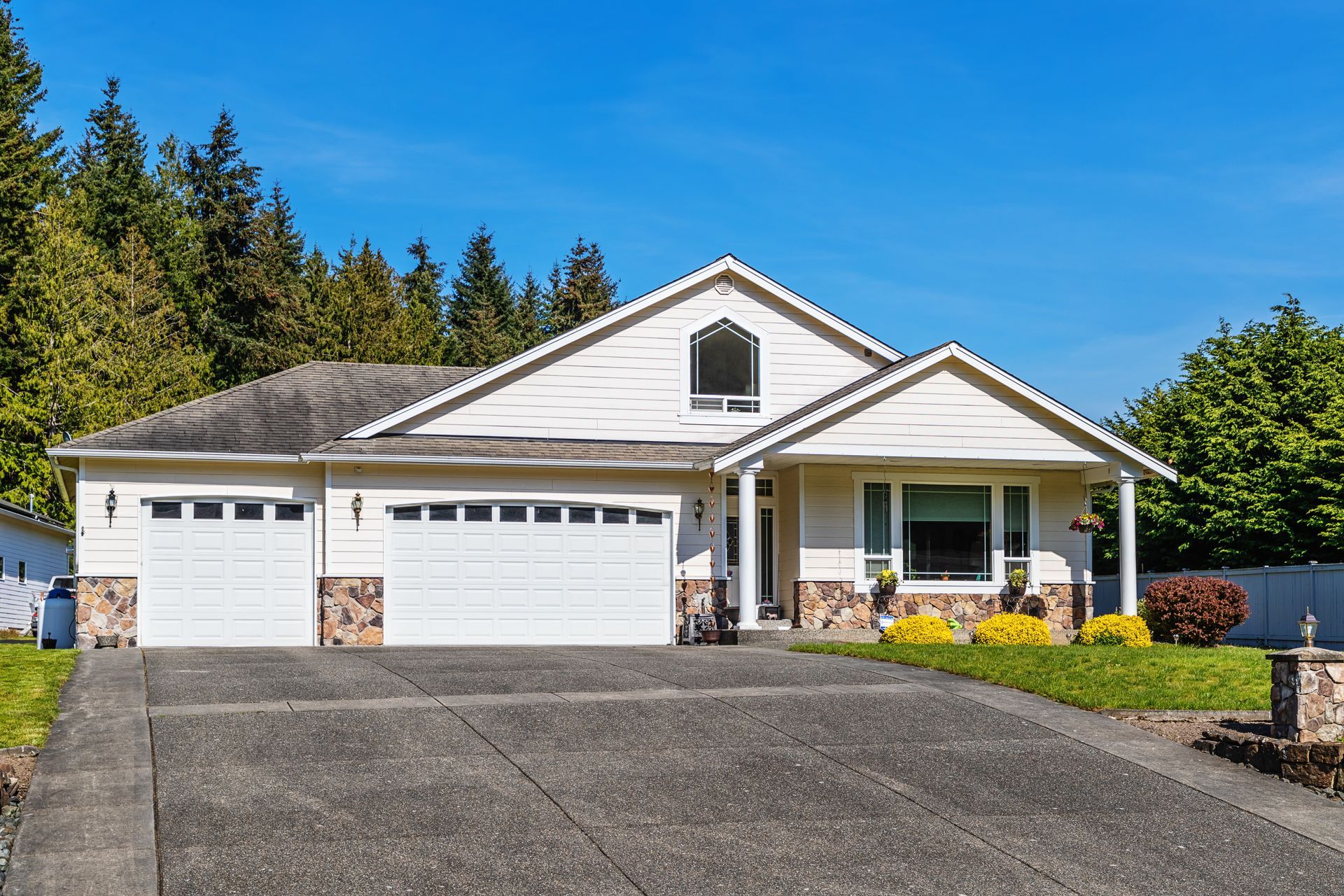
Standard homeowners' insurance is tailored for primary residences, often excluding risks inherent to rental use. Filar emphasizes that landlord insurance acts as a vital buffer, covering structural damage from fire, storms, or vandalism while providing essential liability protection. This safeguard is critical for owners facing potential legal costs if a visitor or tenant sustains an injury on the premises.
Beyond structural protection, these policies offer a safety net for lost rental income. If a property becomes uninhabitable following a covered event, the insurance can replace lost revenue, maintaining the owner's financial stability. Filar notes that distinguishing between landlord and renters insurance is equally important. While landlord policies secure the building and income, renters insurance protects the tenant's personal belongings, creating a layered defense that clarifies responsibilities for both parties. Owners should carefully audit their policies to ensure liability limits and coverage scenarios align with their specific property needs in the Georgia market.


Comments (0)
No comments yet. Be the first!