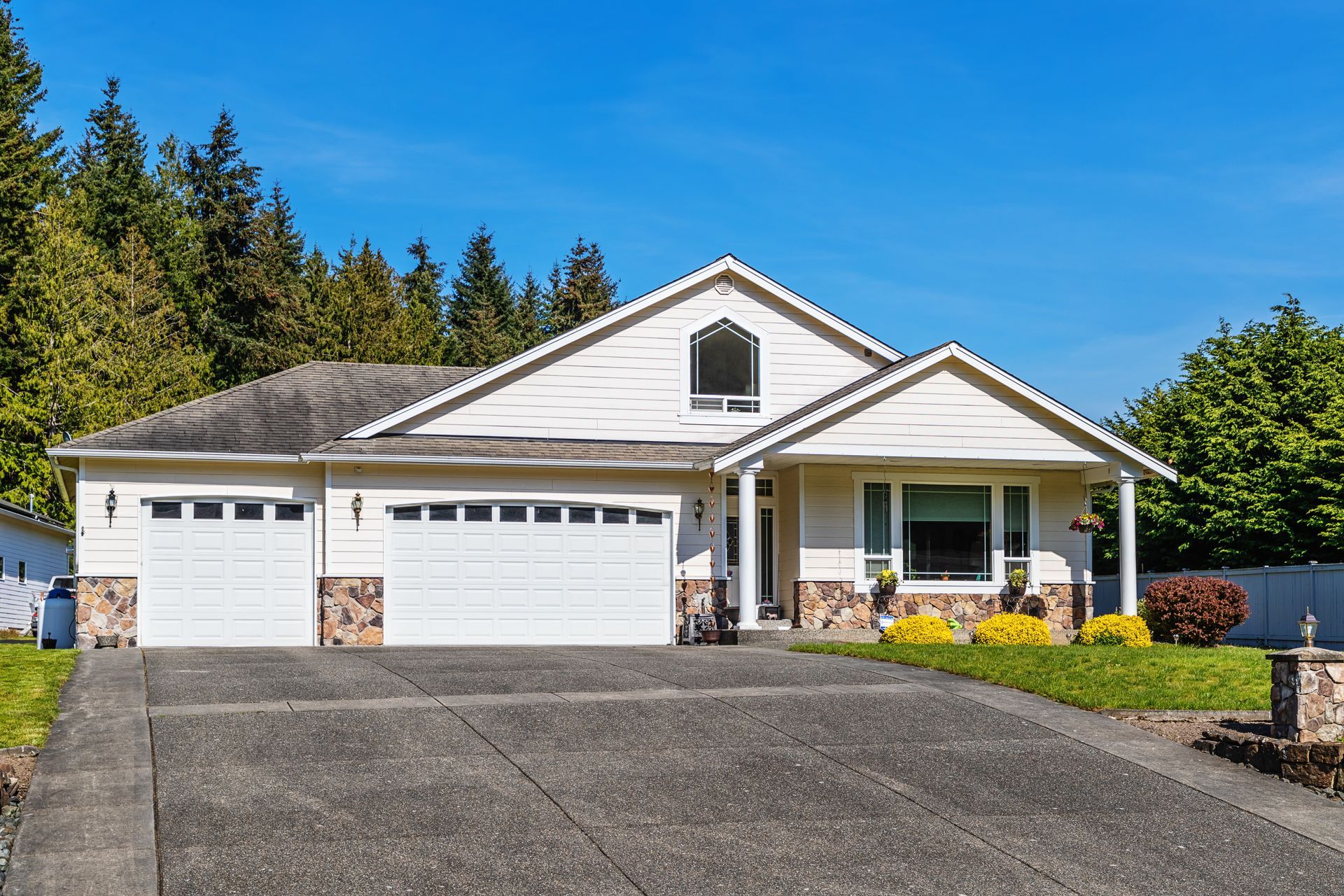
Dwelling coverage remains the bedrock of any policy, designed to handle repairs or rebuilding costs after fire, wind, or hail damage. Callahan stresses that homeowners must ensure their property is insured at full replacement cost rather than market value to avoid shortfalls during major storm events. Beyond the structure itself, personal property protection covers belongings like furniture and electronics, though standard limits often fall short for high-value items like jewelry or collectibles. Maintaining a detailed home inventory is a practical step to verify that coverage limits align with the actual value of household assets.
Liability protection and additional living expenses round out a robust safety net. Liability coverage mitigates financial risk if an injury occurs on the premises, a concern particularly relevant for those with pools or large yards. Meanwhile, 'loss of use' provisions cover temporary housing and meals if a home becomes uninhabitable. Because standard policies typically exclude floods and general wear and tear, residents should evaluate optional endorsements—such as water backup or extended replacement cost coverage—to fill these specific gaps. Regularly auditing these policies after renovations or major purchases ensures that protection remains responsive to changing personal circumstances.




Comments (0)
No comments yet. Be the first!