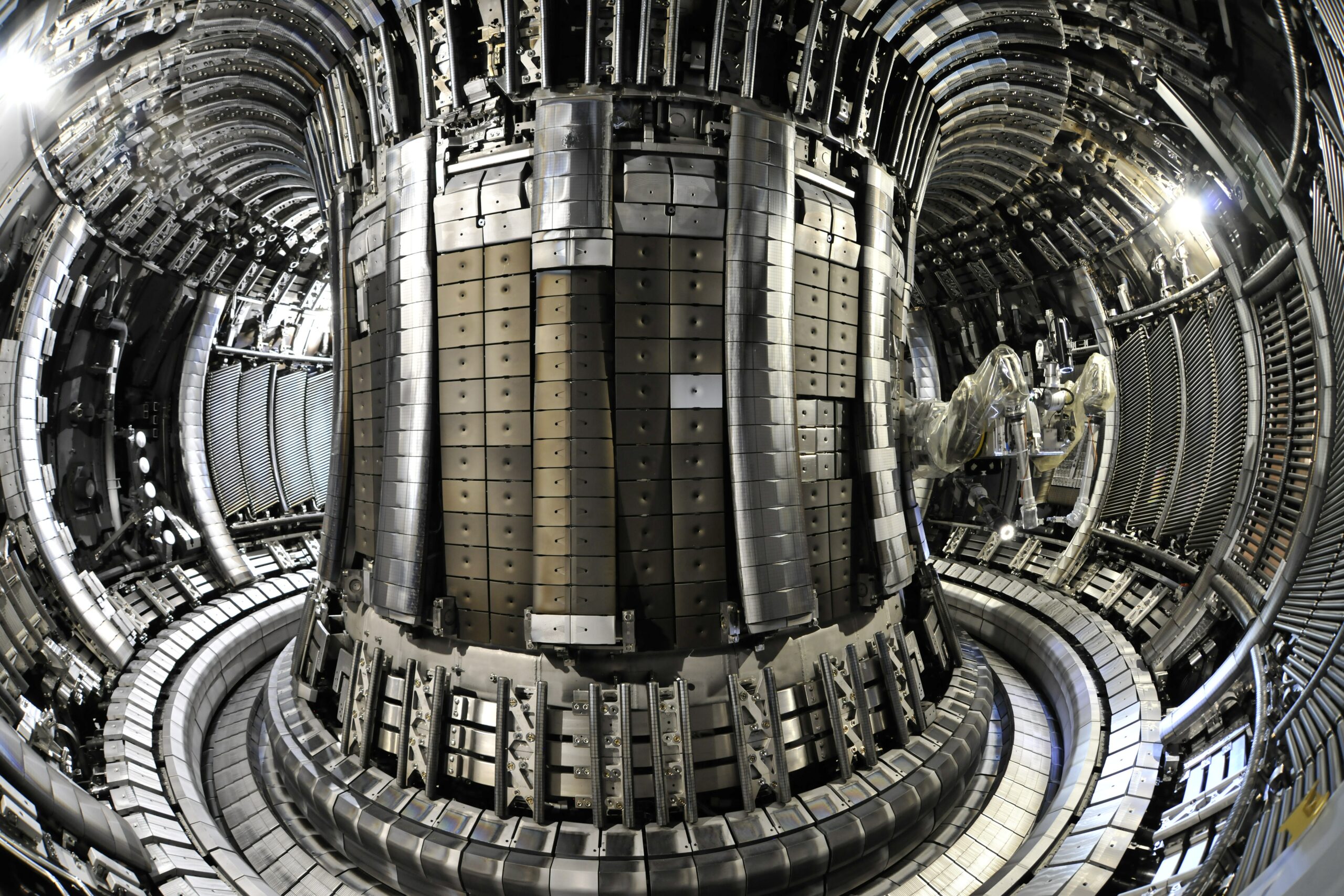
Italian energy firm Eni S.p.A. is leading this transition, moving beyond simple equity stakes to secure future supply chains. The company aims to deploy a commercial fusion plant in Europe by the early 2040s, while simultaneously building a business around the complex fuel systems reactors require. Francesca Ferrazza, head of Eni’s magnetic fusion initiatives, notes that the industry has undergone a total conceptual change over the last five years, moving from experimental research to industrial application.
Central to this shift is the challenge of fuel management. Commonwealth Fusion Systems, which recently raised its total funding to $4 billion, is targeting the early 2030s for its 400-MW ARC facility in Virginia. Because tritium—a core fusion fuel—is radioactive and exists only in trace amounts, commercial viability depends on closed-loop systems capable of recovering and recycling isotopes. Eni is partnering with the UK Atomic Energy Authority to develop a large-scale fuel-cycle facility in Oxfordshire, scheduled for completion in 2028, to master these processes.
Other industry heavyweights are diversifying their risks across various technological approaches. Equinor, Chevron, Shell, and Cenovus have all built significant positions in the sector. Chevron has backed both TAE Technologies and Zap Energy, while Shell has invested in Zap’s sheared-flow stabilization route. Cenovus, an early entrant, continues to support General Fusion as it eyes a Nasdaq listing. These investments reflect a calculated bet that the future of energy will rely on the rapid, industrial-scale deployment of fusion, with oil majors positioning themselves as the architects of its infrastructure.



Comments (0)
No comments yet. Be the first!