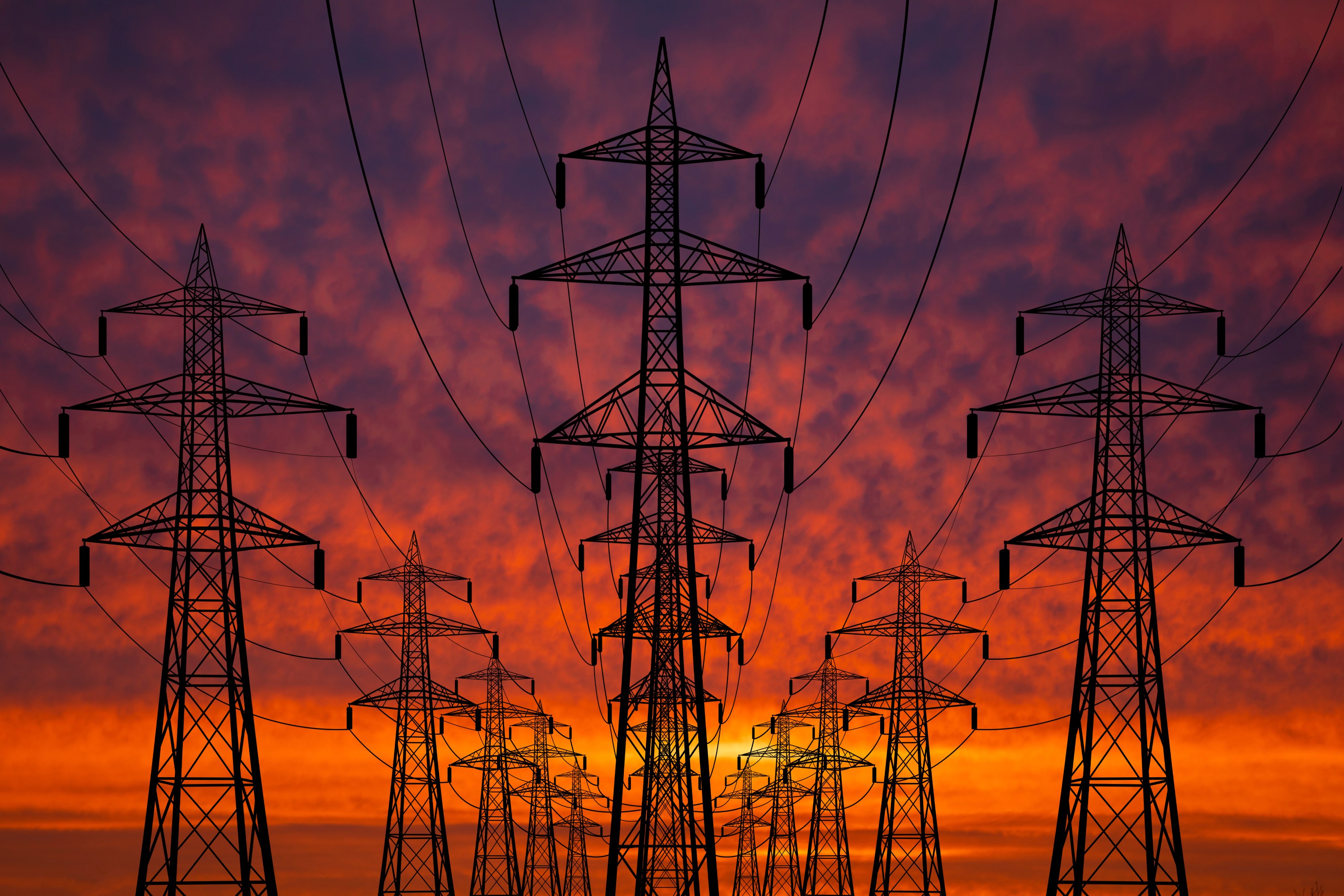
The North American Electric Reliability Corporation assessment highlights that regions including New York and Pennsylvania are particularly vulnerable to shortfalls. These risks are not merely technical; they represent a significant threat to public safety. As extreme weather events become more frequent, the ability to maintain heating and cooling systems shifts from a convenience to a necessity. Research published in The Lancet indicates that air conditioning alone prevents approximately 190,000 deaths annually, underscoring the lethal potential of grid instability.
Energy demand is projected to rise by nearly 2 percent annually, doubling the growth rate of the previous decade. This surge is compounded by the integration of intermittent wind and solar resources that currently lack sufficient battery storage to bridge the gap during peak periods. Furthermore, transmission infrastructure is failing to scale. Of nearly 900 planned energy projects, at least 390 have faced delays due to supply chain bottlenecks, permitting hurdles, and complex interconnection processes. Industry experts suggest that streamlining regulatory reviews and shifting toward proactive transmission planning are essential steps to avoid cascading equipment failures. Without a coordinated effort to modernize these fragmented systems, the nation risks a future where power supply cannot meet the demands of a digitized and electrified economy.


Comments (0)
No comments yet. Be the first!