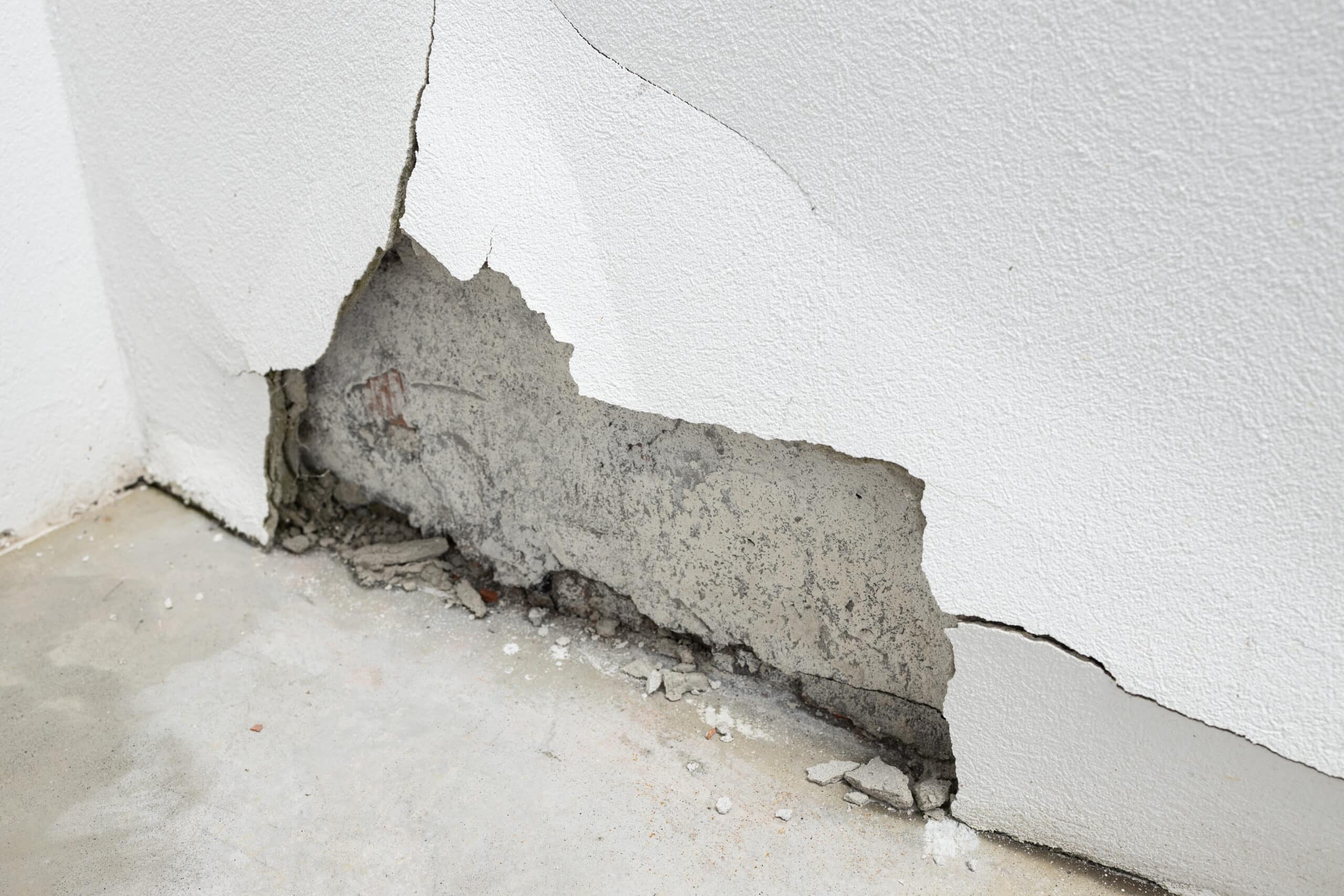
Hidden moisture frequently accumulates behind walls, under floors, or above ceilings long before visible structural failure occurs. According to Cripe, surface irregularities like bubbling paint, cracked drywall, or discolored rings on ceilings are critical indicators that water has compromised the interior infrastructure. Even when stains appear dry, trapped moisture often lingers, necessitating professional inspection to prevent further degradation.
Flooring and structural components also provide key evidence. Hardwood that cups or buckles, laminate swelling at the seams, and loose tiles are common signs of subsurface saturation. Beyond aesthetics, homeowners should monitor functional shifts, such as doors that suddenly stick or windows that become difficult to operate, as these often signal that building materials have absorbed enough moisture to expand.
Beyond physical damage, unexplained spikes in water bills often point to concealed plumbing leaks. Addressing these issues promptly is essential, as damp insulation and wood framing create an environment ripe for mold growth, which can rapidly diminish indoor air quality. Regular monitoring of high-risk areas—specifically near water heaters, appliances, and attic spaces—remains the most effective strategy for early detection. By reacting to these early warnings, homeowners can secure their property and avoid the extensive restoration projects required once water damage takes hold.


Comments (0)
No comments yet. Be the first!