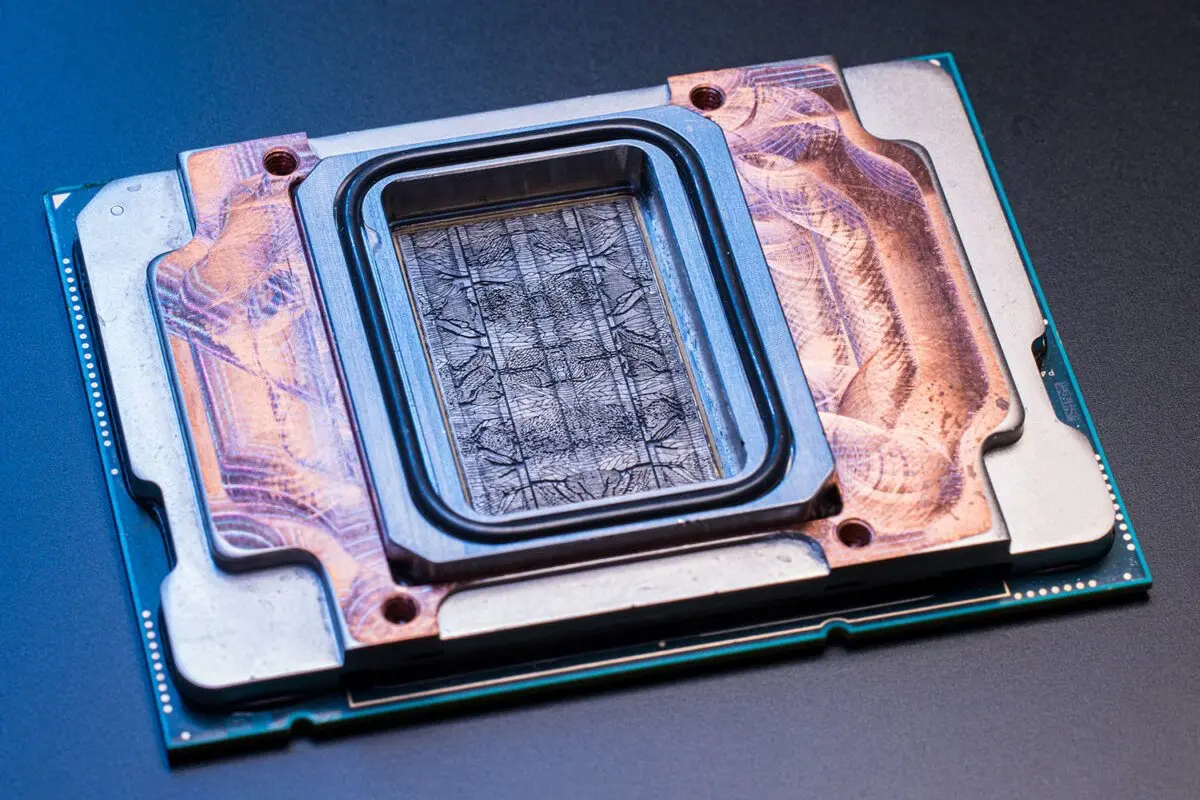
The demonstration, conducted alongside CoolIT, relied on a single-phase direct liquid cooling cold plate to prove that thermal interface limitations can be overcome even when mechanical irregularities exist. As AI processors grow in size and power, silicon warpage often creates uneven contact points, leading to thermal resistance and dangerous localized hot spots. MaxLINC addresses this through a proprietary nanostructured composite architecture that balances ultra-low thermal resistance with necessary mechanical compliance.
Dr. Sheng Shen, CTO of NovoLINC, noted that the results provide a clear roadmap for integrating their material with current and future liquid cooling systems. Ben Sutton of CoolIT added that the partnership validates single-phase direct liquid cooling as a viable solution for the next decade of high-heat-flux processors, potentially sparing data centers the complexity of shifting to alternative cooling architectures. MaxLINC is currently available for customer evaluation, targeting applications from chip-to-package heat spreaders to direct cooling interfaces for CPUs, GPUs, and ASICs.




Comments (0)
No comments yet. Be the first!