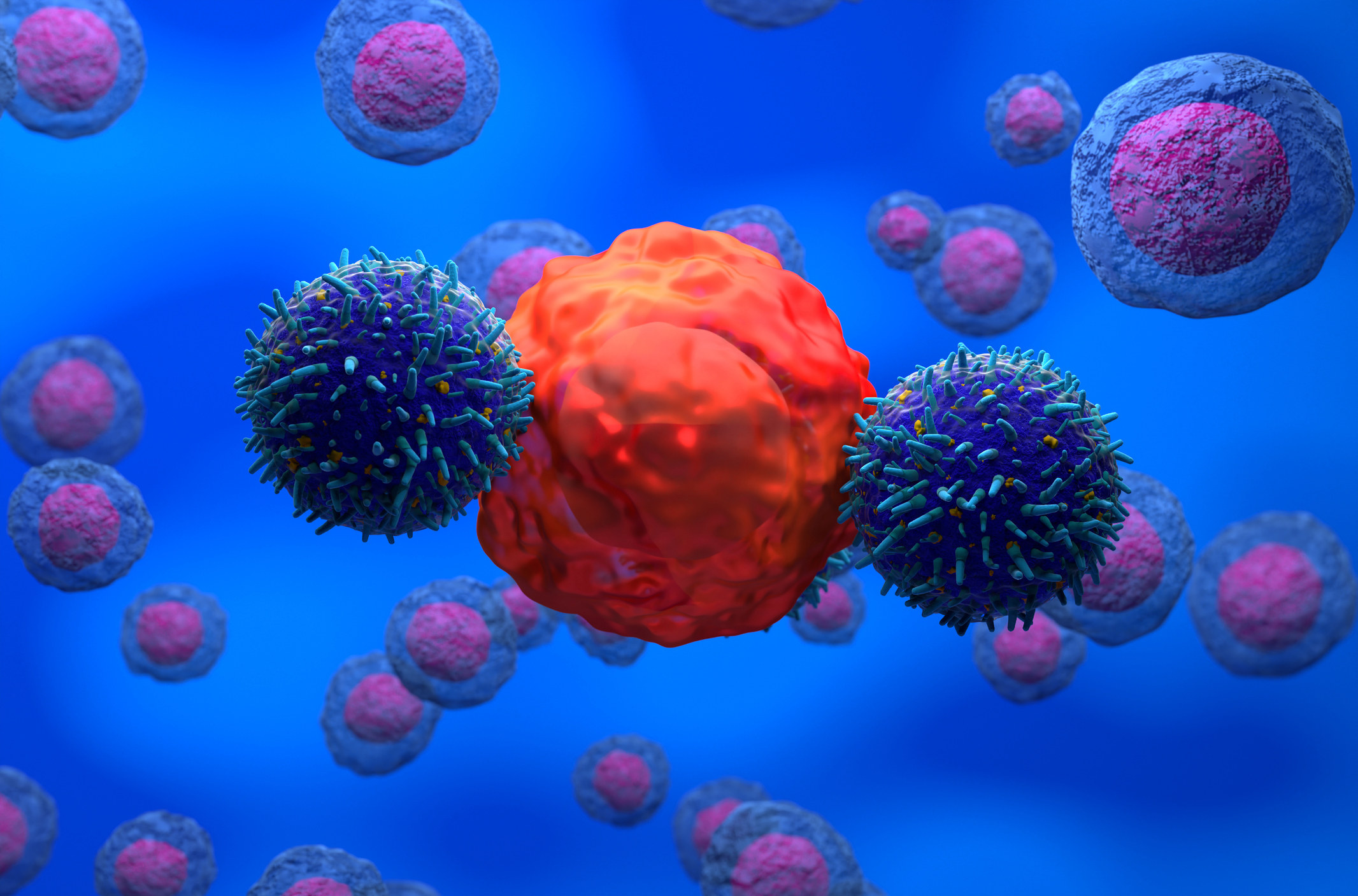
This regulatory approval expands the development footprint for MT027, which is already undergoing evaluation for recurrent glioblastoma. By targeting the B7-H3 protein, the therapy aims to overcome the significant hurdles of treating intracranial lesions, such as the blood-brain barrier and tumor heterogeneity. Globally, brain metastases affect a substantial portion of patients with advanced solid tumors, representing an urgent need for interventions that balance neurological preservation with therapeutic efficacy.
The clinical momentum follows preliminary data presented at the 2026 World Conference on Lung Cancer, where patients with refractory metastases showed partial responses without Grade 3 or higher treatment-related adverse events. MT027 utilizes a non-viral gene-editing manufacturing process, a shift from traditional lentiviral methods designed to enhance batch consistency and safety. With Orphan Drug and Fast Track designations already secured, T-MAXIMUM intends to use the Phase 2 studies to validate the efficacy of its platform in both primary and metastatic brain cancers.




Comments (0)
No comments yet. Be the first!