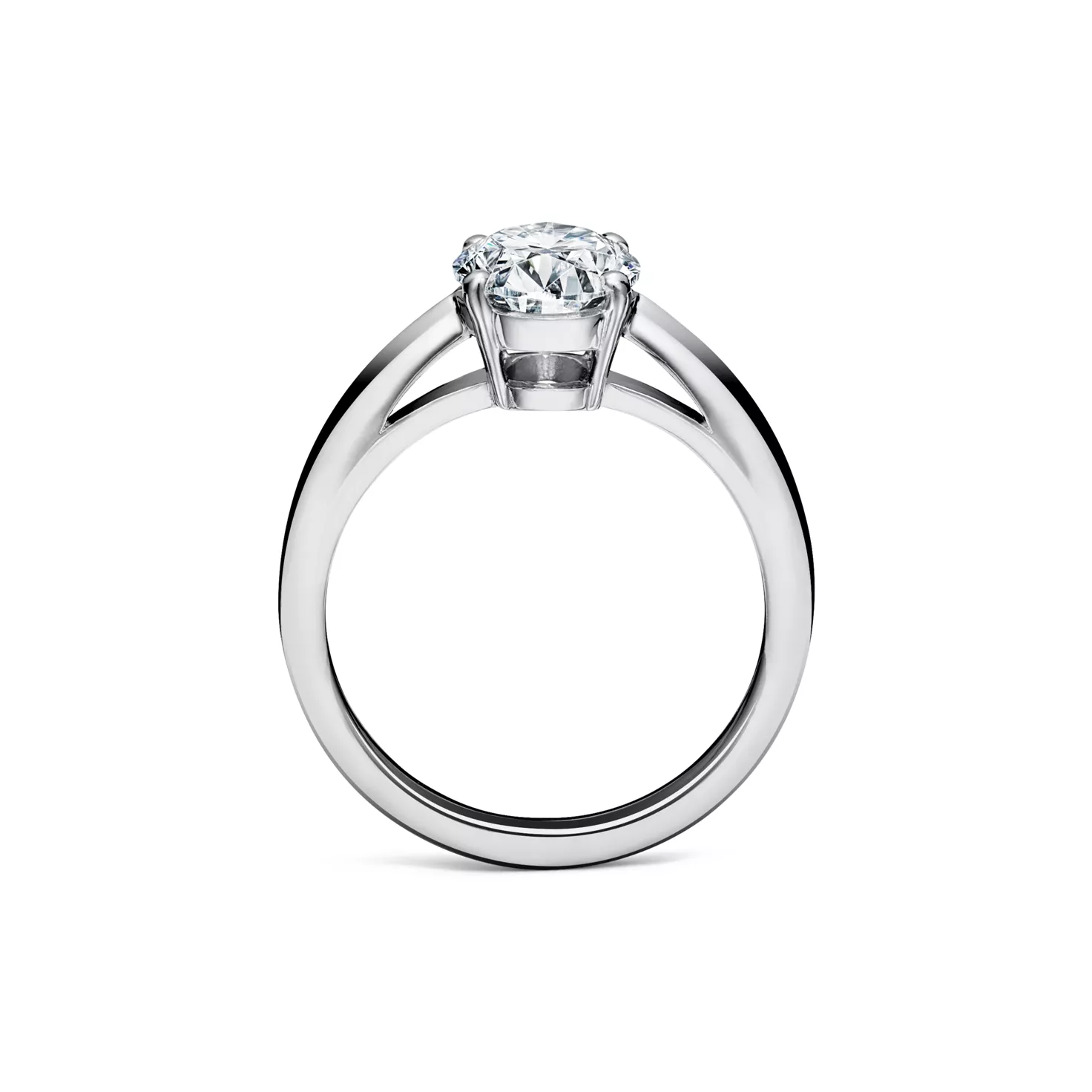
Lab-grown diamonds are chemically, physically, and optically identical to their earth-mined counterparts. Produced in controlled environments that replicate geological pressure, these stones mirror the brilliance and durability of natural diamonds. Even professional gemologists using standard tools cannot distinguish between the two with the naked eye. Crucially, these are not simulants like cubic zirconia; they are real diamonds that adhere to the same grading standards for cut, color, clarity, and carat weight.
The primary divide lies in cost and long-term value. Lab-grown diamonds typically retail for 50 to 70 percent less than natural stones, allowing buyers to secure larger or higher-quality gems for the same budget. However, this accessibility comes with a caveat: while natural diamonds have historically retained resale value, lab-grown versions have seen significant retail depreciation as production technology advances and supply increases. Baribault-Schwartz suggests that for those intending to keep an engagement ring indefinitely, this depreciation may be a non-factor compared to the immediate visual and financial benefits.
Ultimately, the decision rests on personal priorities. While some buyers remain committed to the rarity and heritage of natural stones, others prefer the size and value afforded by lab-grown options. The article advises couples to consult with a GIA-certified gemologist who can provide an objective assessment of both types, ensuring the final choice aligns with the couple's specific goals rather than a jeweler’s profit margins or preferences.




Comments (0)
No comments yet. Be the first!