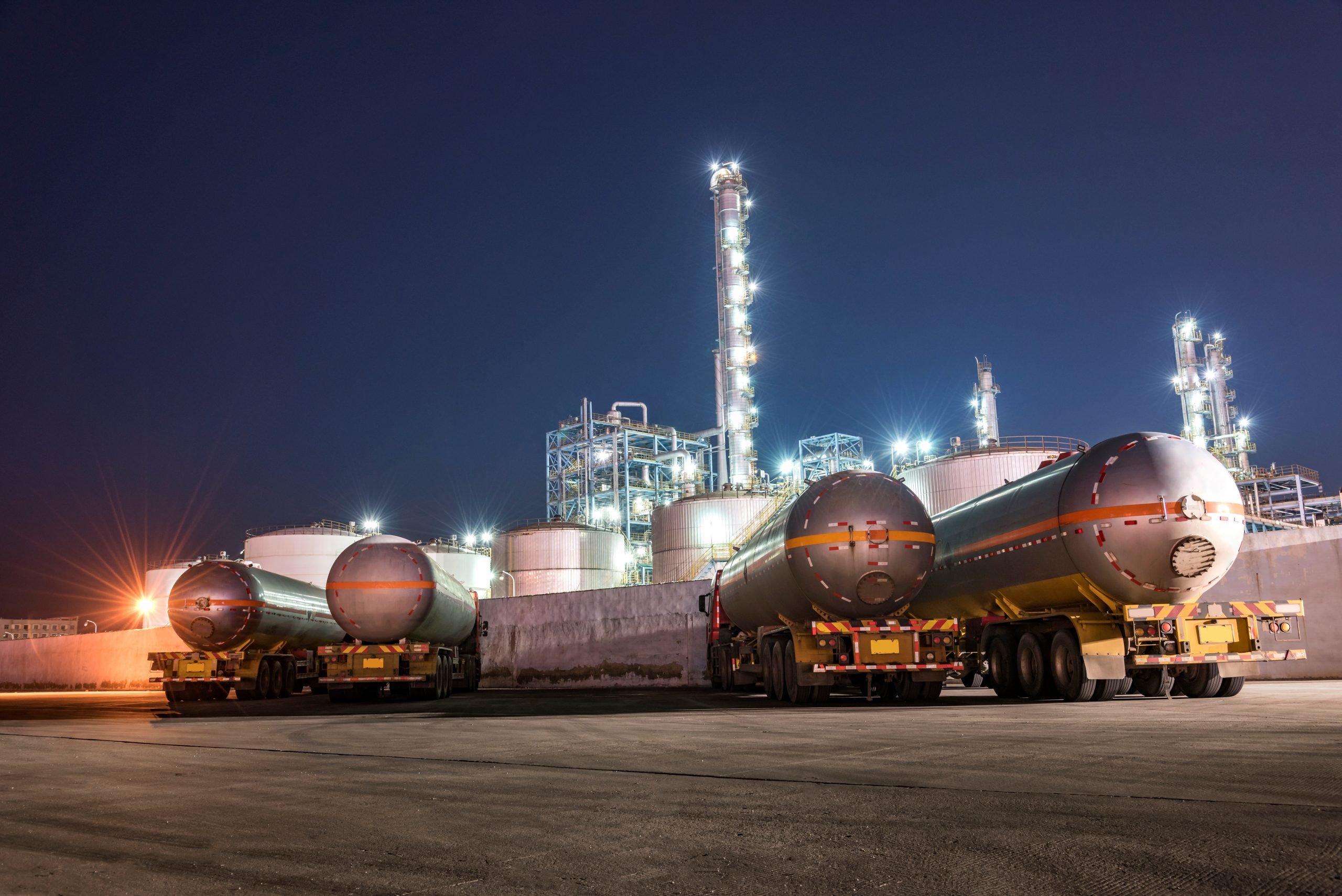
The logistical bottleneck stems from the shift in how crude is moved. More than 1 million barrels per day were transferred between vessels throughout September, a practice virtually non-existent before the conflict. These ship-to-ship operations are a symptom of a fractured supply chain rather than a return to normalcy, forcing crude through expensive, circuitous routes that drive up the final cost for importers.
Freight rates for very large crude carriers traveling from the Gulf to China have surged to roughly $35 per barrel. This figure sits at more than 20 times the average observed over the previous decade. Although Gulf exports excluding Iran have recovered to 81% of prewar levels, the efficiency of these deliveries remains shattered. Citigroup, which previously urged investors to sell summer rallies under the assumption that shipping through the Strait of Hormuz would normalize, now acknowledges that volume recovery has failed to temper price volatility.



Comments (0)
No comments yet. Be the first!