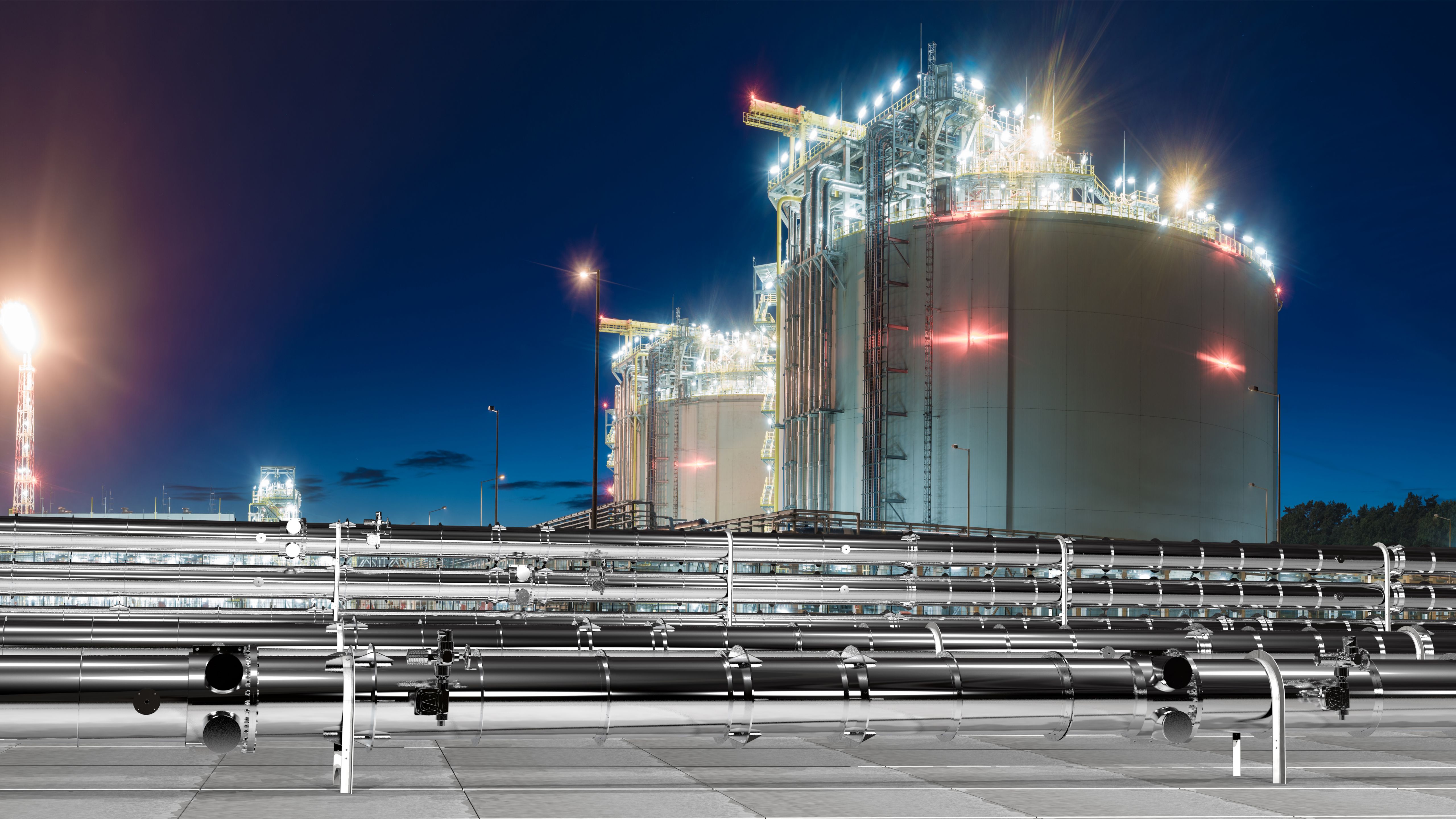
The expansion brings Canada’s projected export capacity to 33 million tons annually by 2030, including contributions from the Cedar LNG and Woodfibre projects. Joshua Ngu, Vice Chairman of Asia Pacific at Wood Mackenzie, notes that Canada’s primary edge lies in its Pacific Basin access. Cargoes departing from Kitimat reach Tokyo in roughly 8 to 9 days, a significant reduction compared to the 16 to 18-day transit times from the U.S. Gulf Coast. This speed, coupled with the avoidance of Panama Canal congestion and Middle Eastern chokepoints, provides a distinct structural advantage for buyers in Japan and South Korea.
Beyond logistics, the Canadian projects emphasize environmental credentials to meet the net-zero targets of Asian importers. Cedar LNG is slated to operate entirely on renewable hydroelectricity, while LNG Canada integrates BC Hydro power for a portion of its operations. Despite these advantages, the sector faces a crowded landscape. Competing developments in Mexico, Argentina, and across Africa are moving rapidly to capture the projected growth in Asian LNG demand, which is expected to reach 500 million tons per annum by 2060. While Canada secures its foothold, analysts warn that project execution and competitive pricing remain the deciding factors in a market where U.S. and global rivals are aggressively expanding their own export infrastructure.


Comments (0)
No comments yet. Be the first!