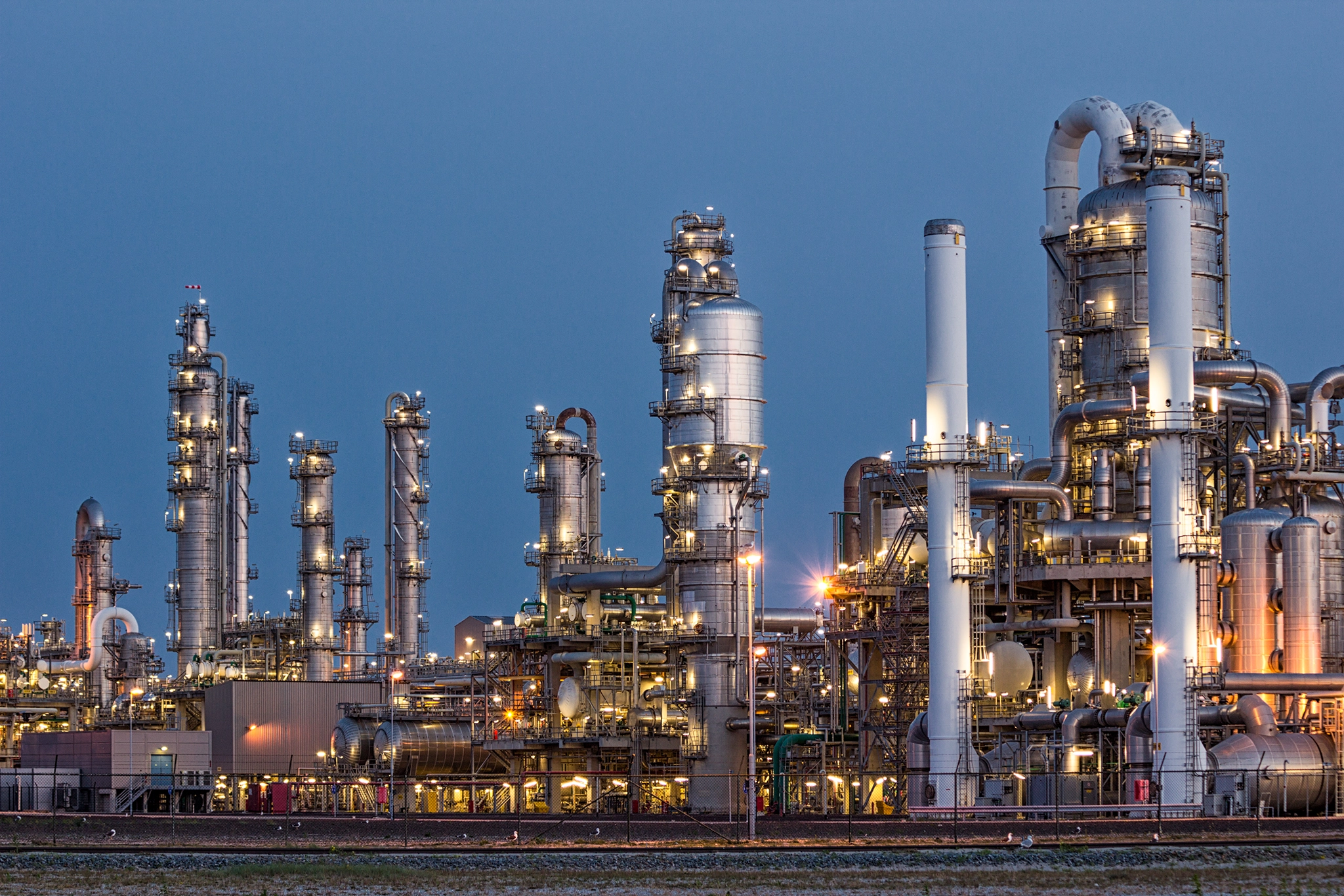
Over the past two decades, the European Union has systematically dismantled its refining capacity, shuttering a quarter of its plants in anticipation of a swift shift to renewables. Stringent policies, including the EU Emissions Trading System and the Industrial Emissions Directive, have created a hostile environment for fossil fuel infrastructure, driving up compliance costs and forcing the bloc to rely heavily on volatile foreign imports. This dependency has proven dangerous; recent surges in natural gas prices and Middle East conflicts have added an estimated €100 billion to the continent’s import bills.
Central European nations, including Poland, Czechia, and Slovakia, are now pushing the European Commission to shield domestic refineries from further decline. They argue that current climate regulations ignore international competitive pressures and leave the bloc dangerously exposed to supply shocks. In response, the Commission has initiated a High-Level Dialogue with the industry, co-chaired by Commissioners Dan Jørgensen and Andrius Kubilius, to address the intersection of energy security and industrial competitiveness.
For the EU, the stakes extend beyond civilian energy needs to military mobility. Under NATO readiness models, the alliance must be prepared to deploy 100,000 troops within ten days of a crisis, a maneuver requiring immense tactical fuel reserves. Because crude oil cannot substitute for refined products during active conflict, officials are now revising the AccelerateEU framework to prioritize infrastructure resilience. Plans to expand the Cold War-era Central Europe Pipeline System reflect this new focus on strategic autonomy, even as the Commission attempts to integrate a roadmap for biofuels and e-fuels into its broader climate agenda.


Comments (0)
No comments yet. Be the first!