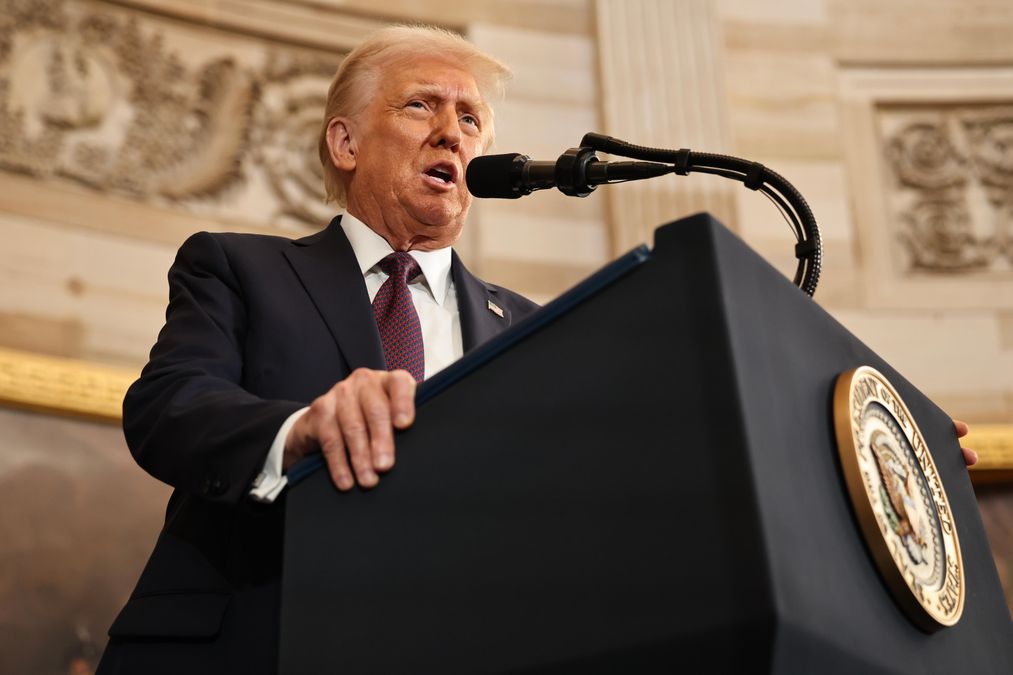
The Russian Direct Investment Fund (RDIF) was established in 2011 to attract strategic capital, but it quickly became a lightning rod for Western regulators. After Russia’s 2014 annexation of Crimea, the Obama administration barred U.S. entities from dealing with the fund, citing its deep ties to state-linked financial institutions and its role in advancing Kremlin-aligned projects. Experts now warn that lifting these sanctions would signal a major shift in policy, potentially prioritizing investment in Moscow over support for Kyiv.
At the heart of these negotiations is Kirill Dmitriev, the fund’s long-standing CEO. A Stanford and Harvard graduate with deep connections to the Kremlin—including ties to Vladimir Putin’s daughter—Dmitriev has emerged as a key interlocutor for the Trump administration. Having previously met with figures like Erik Prince and now working closely with U.S. envoy Steve Witkoff, Dmitriev has framed the current thaw in relations as a breakthrough. Recent moves, such as the controversial push to import Russian diesel, suggest that the economic barriers between the two nations are becoming increasingly porous, despite fierce opposition from lawmakers in Washington who view these concessions as a strategic retreat.


Comments (0)
No comments yet. Be the first!