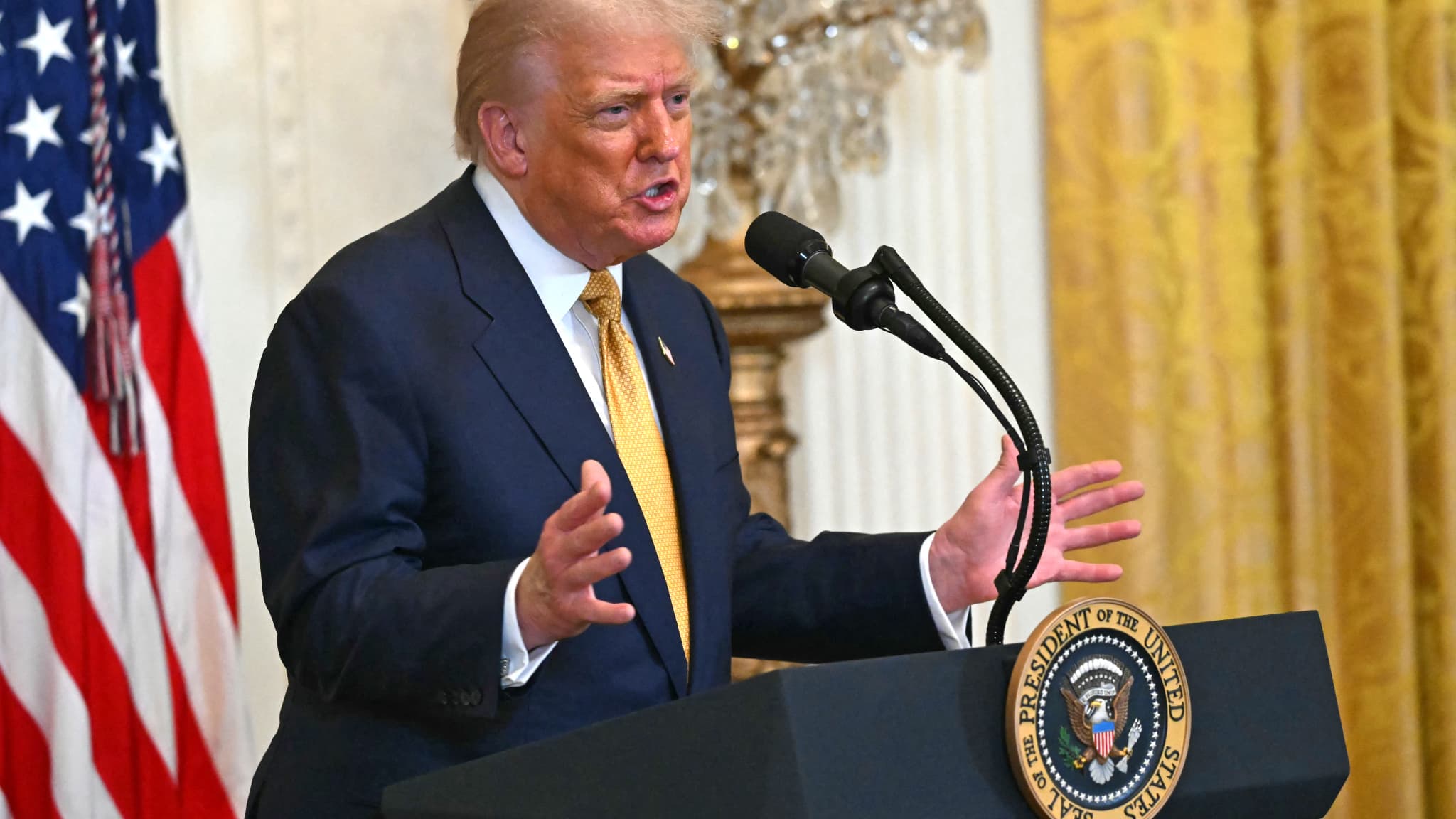
Following weekend talks in Switzerland, Vice President JD Vance described the foundation for a final peace deal as productive. The agreement includes a commitment to secure transit through the Strait of Hormuz, the cessation of hostilities in Lebanon, and the return of International Atomic Energy Agency (IAEA) inspectors to Iranian facilities. Treasury Secretary Scott Bessent confirmed that a temporary 60-day license has been issued, allowing Iran to resume oil sales on international markets.
Tehran reported that a US blockade on its ports has been lifted, with parliamentary Speaker Mohammad Baqer Qalibaf noting that the release of $12 billion in frozen assets has been finalized. Despite these overtures, friction persists. Central Bank Governor Abdul Nasser Hemmati challenged Vance’s assertion that unfrozen funds would be restricted to humanitarian purchases from US companies, signaling potential future disagreements over the control of these resources.
Regional dynamics remain volatile as Secretary of State Marco Rubio heads to the Gulf to reassure allies. Israel, excluded from the negotiations, has signaled it will maintain operations against Hezbollah in Lebanon. Furthermore, domestic pushback from hard-line factions within the Iranian Revolutionary Guards Corps and skepticism from US lawmakers suggest that the path to a comprehensive, long-term settlement remains fraught with political risk.




Comments (0)
No comments yet. Be the first!